
Today: 8:30AM - 6:00PM
Blog / Independence Kia Dealer

2026 Kia Sportage LX vs. EX: Comparing Everyday Comfort, Seat Adjustments, and Convenience Features for Independence, MO Drivers

Compare 2026 Kia Sportage LX vs EX interior comfort, seat adjustments, and tech for Independence, MO drivers. Find your ideal crossover at Bob Sight Kia today.

2026 Kia Sportage LX vs. EX: Comparing Everyday Comfort, Seat Adjustments, and Convenience Features for Independence, MO Drivers

Choosing between the entry-level 2026 Kia Sportage LX and the upgraded EX trim comes down to how everyday comfort, interior seat adjustments, and daily convenience technology fit your commute across Jackson County and the greater Kansas City Metro. Both trim levels deliver exceptional value, standard safety tech, and a spacious cabin, but the EX adds key daily enhancements like SynTex synthetic leather seating, a 10-way power driver's seat with lumbar support, dual-zone automatic climate control, and dual 12.3-inch panoramic display screens. At Bob Sight Kia in Independence, MO, we help local commuters, growing families, and daily drivers evaluate these exact interior differences so you can select the perfect compact crossover for your daily routes along Interstate 70 and Highway 40.

Explore our current inventory of new Kia crossovers and schedule your test drive today at Bob Sight Kia Sportage Inventory.
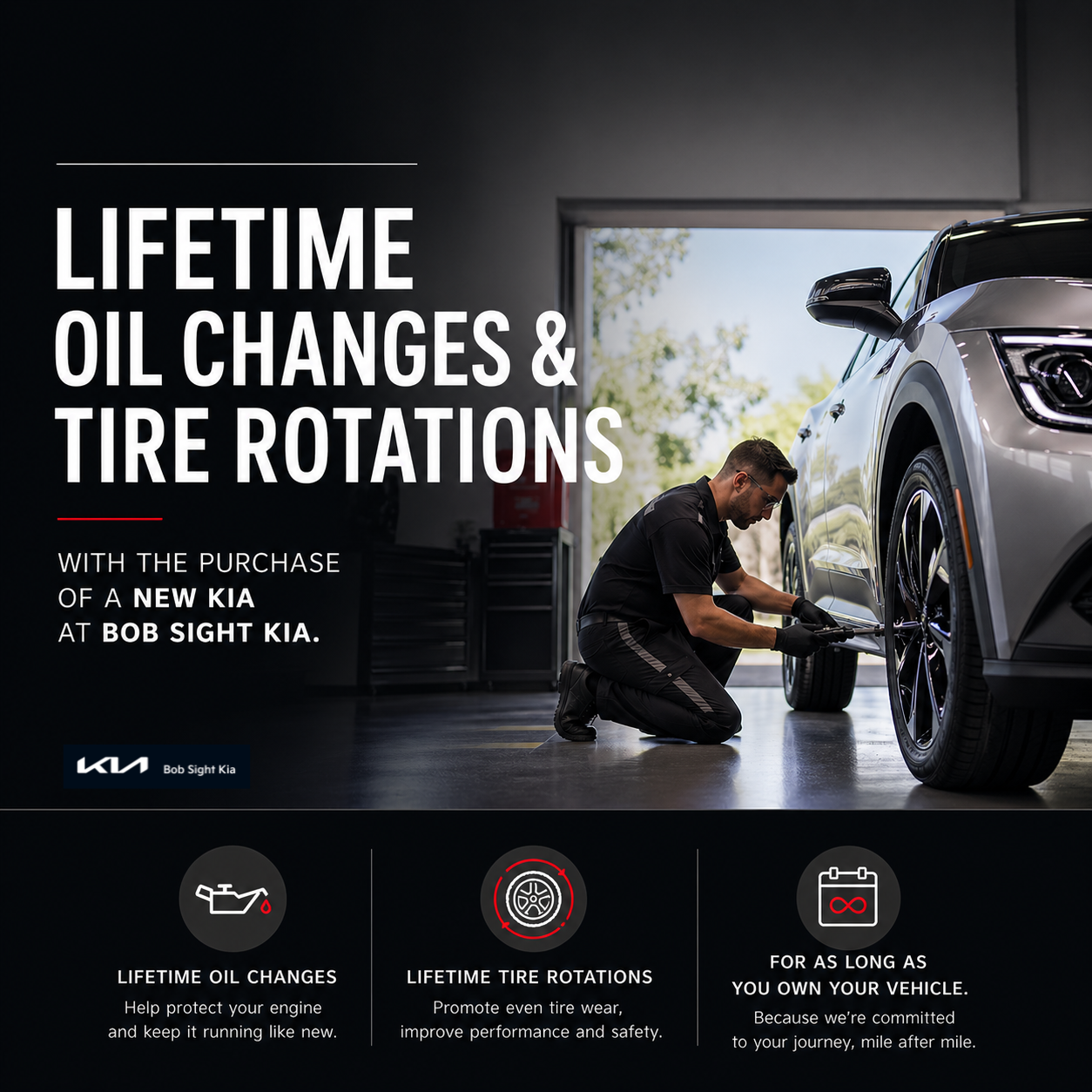
Bob Sight Kia offer for lifetime oil changes and tire rotations in Independence MO

In This Guide You'll Learn

Here is what you will discover in this comprehensive trim level comparison guide:

  • The direct mechanical and dimension similarities shared between the 2026 Kia Sportage LX and EX trims.
  • How the LX woven cloth manual seating compares to the EX SynTex power-adjustable seating during long Missouri commutes.
  • Key differences in climate control, cabin heating, and winter driving comfort across Jackson County winters.
  • Infotainment display size upgrades, wireless media integration, and center console convenience changes.
  • Keyless access, smart key proximity ignition, and remote start functional comparisons for everyday convenience.
  • A structured side-by-side comparison matrix covering seating, infotainment, climate, and convenience specs.
  • Long-term ownership considerations, resale value trends, and financing evaluations at Bob Sight Kia.

Overview: Understanding the 2026 Kia Sportage Trim Hierarchy

The 2026 Kia Sportage lineup is engineered to offer distinct value points, with the LX serving as the well-equipped base tier and the EX standing as the premier mid-level comfort upgrade. Both configurations utilize the exact same standard powertrain, featuring a 2.5-liter Inline 4-cylinder Gasoline Direct Injection (GDI) engine paired with an 8-speed automatic transmission. This reliable engine setup generates 187 horsepower and 178 lb-ft of torque, delivering clean acceleration whether you are merging onto I-470 near the Summit Fair exit or cruising along US-40 near the Independence Center. Both trims are available in standard Front-Wheel Drive (FWD) or available Active Just-in-Time All-Wheel Drive (AWD) with an electro-hydraulic locking center differential for added traction on icy Missouri roads.

While the mechanical underpinnings, exterior dimensions, and fundamental safety architecture remain identical, the cabin experience separates these two vehicles significantly. The LX is built for budget-conscious buyers who want maximum utility, standard Kia Drive Wise driver assistance, and low operating costs without paying for extra luxury items. In contrast, the EX targets suburban commuters who view their crossover as a mobile office and daily sanctuary, adding multi-stage heated front seats, power seat adjustments, enhanced interior soft-touch trim, and integrated glass cockpit displays that drastically elevate daily driving satisfaction.

Evaluating these differences requires looking past the window sticker and looking at how you interact with your vehicle every single morning. From the physical touchpoints on the steering wheel to how quickly the windshield defrosters clear frost during a January morning in Sugar Creek, the EX integrates several convenience features that address midwestern climate realities. Deciding whether to step up from the LX to the EX involves measuring the value of those daily touchpoints against your overall automotive financing goals.

Front Seat Comfort and Adjustability: Manual Cloth vs. Power SynTex

The primary physical difference inside the cabin is the transition from 6-way manual woven cloth seating in the LX to a 10-way power-adjustable driver seat with SynTex synthetic leather in the EX. In the base LX trim, driver seat adjustments are made using manual levers for fore-and-aft sliding, recline angle, and vertical height adjustment. While the LX woven cloth upholstery is durable, breathable, and easy to clean, it lacks dedicated power lumbar adjustment, which can lead to lower back fatigue during extended highway drives across the Kansas City Metro or longer road trips down to the Lake of the Ozarks.

Stepping up to the 2026 Sportage EX completely transforms driver ergonomics through its 10-way power driver seat, which includes 2-way power lumbar support. The lumbar bolster can be extended or retracted electronically to match the natural curvature of your spine, offering crucial support during stop-and-go traffic on I-35 or long commutes down Highway 290. Additionally, the EX replaces the manual passenger seat with a 4-way power passenger configuration in select package configurations, while upgrading the trim material to premium SynTex artificial leather. SynTex provides the plush, upscale feel of natural leather while offering superior resistance to spills, mud, and everyday wear, making it an excellent option for local parents and dog owners in Raytown and Blue Springs.

For midwestern seasonal shifts, seat temperature management is another major factor. The LX cloth seating naturally resists ambient temperature extremes, meaning the seats rarely feel freezing cold in January or blistering hot during July. However, the EX comes standard with multi-stage heated front seats that warm up rapidly, providing immediate physical comfort while the engine coolant warms up to heat the cabin. Combined with the supple SynTex surface, the EX front seating environment offers a noticeably more refined and supportive daily driving experience.

Climate Control Systems and Missouri Seasonal Readiness

The 2026 Kia Sportage LX utilizes a standard single-zone manual climate system, whereas the Sportage EX features a dual-zone automatic climate control system with auto de-fogging capabilities. The standard manual HVAC system in the LX relies on traditional dial controls to regulate blower speed, air distribution mode, and temperature. While simple, effective, and reliable, manual systems require frequent adjustments as the vehicle interior warms up or cools down, especially during unpredictable spring and autumn weather across Jackson County.

The dual-zone automatic system in the EX allows both the driver and front passenger to select their own individual temperature preferences down to the exact degree. Once set, the vehicle automatically adjusts fan speeds, airflow distribution, and cabin air recirculation to maintain that exact comfort level without constant manual intervention. Furthermore, the EX system incorporates an automatic windshield defogging sensor. When the internal sensor detects humidity building on the inner surface of the glass during cold mornings in Grain Valley, it automatically engages the air conditioning compressor and redirects airflow to clear the windshield before visibility becomes impaired.

Rear passenger comfort also receives an upgrade when moving up the trim hierarchy. While both trims feature rear floor air vents fed by the main heating unit, the EX adds dedicated center console rear air vents. This allows rear-seat passengers—whether kids heading to school in Liberty or adult passengers on a carpool commute—to receive direct cooling air or heat far faster than in the base model, ensuring total cabin thermal equilibrium regardless of outside conditions.

Dashboard Tech and Touchscreen Interface: 8-Inch vs. Dual 12.3-Inch Screens

The 2026 Sportage LX comes equipped with an 8.0-inch touchscreen infotainment display paired with a standard digital gauge cluster, while the EX features dual 12.3-inch panoramic screens under a single curved glass panel. In the LX, the center display offers crisp visual clarity and dedicated physical knobs for audio volume and tuning. A notable advantage of the LX 8.0-inch system is its support for standard wireless Apple CarPlay and Android Auto integration, allowing drivers to mirror their smartphone navigation and media apps without plugging in a physical USB cable.

The EX trim replaces this setup with Kia's dramatic panoramic dual-screen cockpit array, pairing a 12.3-inch driver information display with a matching 12.3-inch center navigation screen. This system features built-in Kia Connect navigation, real-time traffic updates, and over-the-air software updating capabilities. Because of the higher processing power and integrated factory navigation software in the 12.3-inch system, Apple CarPlay and Android Auto utilize a high-speed wired USB connection, ensuring lag-free mapping data while charging your device simultaneously.

Beyond screen size, the EX dashboard incorporates Kia's innovative dual-purpose touch-switchable control panel. Located directly beneath the central display, this sleek panel allows you to toggle between audio system controls and climate control inputs with the press of a single capacitive button. This design removes visual clutter from the dashboard while keeping essential controls easily accessible without burying them inside complex touchscreen menus, allowing Independence drivers to keep their eyes focused safely on the road ahead.

Convenience and Access Features: Traditional Key vs. Smart Key with Remote Start

Entering and starting the 2026 Kia Sportage LX requires a traditional flip-key fob with remote keyless entry, whereas the Sportage EX introduces Smart Key proximity entry with push-button ignition and remote engine start. On the LX trim, unlock signals are sent by pressing a button on the physical key fob, after which the driver inserts the key into the steering column ignition switch to start the vehicle. While reliable and straightforward, this standard setup requires retrieving your keys from your pocket or bag before unlocking the doors or starting the car.

The Smart Key system standard on the EX trim elevates daily convenience significantly through proximity sensors built into the exterior front door handles. As long as the key fob is in your pocket, purse, or briefcase, you can approach the vehicle and press the door handle touch sensor to unlock the car instantly. Once inside, starting the 2026 Sportage EX is as simple as pressing the brake pedal and pushing the illuminated engine start/stop button on the dashboard.

Remote vehicle preparation is another key operational difference. The EX includes factory-integrated remote engine start directly on the key fob and through the Kia Connect mobile application. During severe winter freezes in Sugar Creek or scorching mid-summer heatwaves in North Kansas City, EX owners can remotely start the engine from inside their home or office. This pre-conditions the cabin temperature, activates the heated seats, and defrosts the glass before you ever step outside, making every daily journey noticeably more pleasant.

Step-by-Step Guide: Evaluating Which Trim Fits Your Daily Routine

If you are trying to decide whether the LX or EX is the ideal compact crossover for your household, working through a structured evaluation process can clarify your exact needs. Follow these five practical steps when shopping at Bob Sight Kia:

  1. Calculate Your Daily Commute Duration: If your daily drive along I-70, I-470, or through downtown Kansas City exceeds 30 minutes each way, the 10-way power driver seat with lumbar support and multi-stage heated seating on the EX will provide tangible ergonomic benefits that reduce driver fatigue over time.
  2. Assess Passenger and Climate Requirements: Consider who regularly rides in your vehicle. If you frequently transport family members or rear-seat passengers, the dual-zone automatic climate control and rear center console air vents on the EX deliver superior whole-cabin comfort compared to the single-zone manual system on the LX.
  3. Evaluate Tech Preferences and Smartphone Integration: Determine whether you prefer the seamless convenience of wireless Apple CarPlay/Android Auto on an 8.0-inch screen (LX) or the immersive visual real estate, factory navigation, and modern aesthetic of the dual 12.3-inch panoramic display screens (EX).
  4. Test Keyless Entry and Remote Start Convenience: Visit our Independence showroom to physically test the difference between traditional key ignition on the LX and Smart Key proximity entry with push-button start on the EX. Factor in how much you value remote pre-heating during cold Jackson County winters.
  5. Compare Total Ownership Value and Monthly Financing: Review our competitive financing rates, dealer incentives, and transparent pricing models with our finance team. Weigh the incremental monthly payment difference of the EX trim against the added everyday luxury and higher long-term resale value it provides.

Side-by-Side Feature Comparison: 2026 Kia Sportage LX vs. EX

To help you visualize how these two popular trim levels compare across core comfort, convenience, and tech categories, we have compiled a direct feature breakdown below. Both vehicles share the same safety foundation, including Forward Collision-Avoidance Assist, Lane Keeping Assist, and Rear Occupant Alert, but diverge significantly in interior accommodations and driver convenience equipment.

Feature Category 2026 Kia Sportage LX 2026 Kia Sportage EX
Seating Material Woven Cloth Upholstery Premium SynTex Synthetic Leather
Driver Seat Adjustment 6-Way Manual Adjustment 10-Way Power Adjustment with 2-Way Lumbar
Heated Front Seats Not Available Standard Multi-Stage Heated Front Seats
Climate Control System Single-Zone Manual HVAC Dual-Zone Automatic Climate with Auto De-fog
Infotainment Display 8.0-inch Color Touchscreen 12.3-inch Panoramic Navigation Touchscreen
Driver Gauge Cluster 4.2-inch Digital Instrument Display 12.3-inch Full Digital Gauge Cluster
Smartphone Integration Wireless Apple CarPlay & Android Auto Wired Apple CarPlay & Android Auto
Key Access & Ignition Remote Keyless Entry with Flip Key Smart Key Proximity Entry & Push-Button Start
Remote Engine Start Not Available on Fob Standard on Key Fob & Kia Connect App
Rear Passenger Vents Under-Seat Floor Vents Only Rear Center Console Air Vents
Steering Wheel Trim Urethane Steering Wheel Leather-Wrapped Steering Wheel
USB Charging Ports Front USB-C Ports Front & Rear Seatback Mounted USB-C Ports

This comparison highlights how the EX trim builds upon the robust engineering foundation of the LX by targeting driver touchpoints, climate regulation, and visual cabin technology. While the LX delivers everything required for dependable daily transportation, the EX provides an elevated ownership environment that pays daily dividends in driver comfort.

Step-by-Step Guide: Setting Up Interior Comfort and Technology Settings

When taking delivery of your new 2026 Kia Sportage from Bob Sight Kia, properly configuring your seat position, climate defaults, and digital displays ensures optimal daily comfort. Follow these step-by-step instructions to personalize your vehicle settings before driving home to Lee's Summit or Liberty:

  1. Position the Driver Seat and Lumbar Support: Sit in the driver seat with your back flat against the seatback. On the EX trim, use the lower side controls to adjust seat height, distance from the pedals, and seatback angle. Adjust the 2-way lumbar toggle until you feel firm, comfortable support across your lower spine.
  2. Adjust Side Mirrors and Steering Column: Release the manual tilt-and-telescoping steering wheel lever beneath the column. Position the wheel so you can comfortably rest your wrists on top of the steering rim while viewing the entire gauge cluster clearly. Adjust your power exterior side mirrors to eliminate blind spots.
  3. Configure Automatic Climate and Auto-Defog: On EX models, set your primary temperature preference using the driver-side dial (e.g., 72 degrees Fahrenheit) and press the "AUTO" button. Access the vehicle setup menu on the central touchscreen, navigate to "Climate," and ensure "Auto Defog" and "Smart Recirculation" options are checked.
  4. Pair Your Smartphone Device: Navigate to the "Setup" menu on the main touchscreen and select "Device Connections." Enable Bluetooth on your smartphone and select your Kia Sportage. Follow the on-screen prompts to enable Apple CarPlay or Android Auto mapping and hands-free calling.
  5. Set Up Smart Key Proximity and Lock Profiles: In the vehicle customization settings menu, select "Door/Tailgate." Enable "Two-Stage Unlock" for added personal security in public parking lots, or disable it if you prefer all doors to unlock simultaneously when touching the driver door handle sensor.

Quick Facts: 2026 Kia Sportage LX vs. EX Comparison

Here are the key takeaways and fast facts regarding the 2026 Kia Sportage LX and EX models for Independence and Kansas City buyers:

  • Engine and Performance: Both trims share the standard 2.5L 4-cylinder engine generating 187 hp and 178 lb-ft of torque paired with an 8-speed automatic transmission.
  • Drivetrain Options: Both LX and EX can be configured in FWD or Active AWD with Drive Mode Select (Normal, Sport, Smart, and Snow modes).
  • Driver Ergonomics: The EX features a 10-way power driver seat with power lumbar support, whereas the LX utilizes a 6-way manual driver seat.
  • Winter Readiness: Heated front seats, heated side mirrors with LED turn signals, and dual-zone auto climate control are standard on the EX trim.
  • Screen Interface: The LX uses an 8-inch display with wireless smartphone integration; the EX uses dual 12.3-inch panoramic screens with integrated navigation.
  • Keyless Access: Smart Key proximity entry with push-button start and remote start on the key fob comes standard on the EX.
  • Cargo Capability: Both trims offer identical interior space, providing 39.6 cubic feet of cargo room behind the second row and up to 74.1 cubic feet with rear seats folded flat.

These core facts show that while the physical interior space and mechanical driving dynamics are identical across both models, the EX trim concentrates its upgrades on daily convenience, tactile luxury, and digital technology integration.

Ownership Planning: Maintenance, Warranty, and Resale Strategy

Planning for long-term ownership of either a 2026 Kia Sportage LX or EX involves understanding routine service schedules, warranty protection, and prospective resale dynamics across Jackson County. Both trim levels are backed by Kia's industry-leading 10-Year/100,000-Mile Powertrain Limited Warranty, along with a 5-Year/60,000-Mile Limited Basic Warranty and 5-Year/60,000-Mile Roadside Assistance coverage. This comprehensive safety net ensures peace of mind whether you are driving locally in Independence or commuting across state lines into Kansas.

Maintaining long-term reliability and protecting your investment requires following factory-recommended service intervals. Routine maintenance for the 2.5L engine includes engine oil and filter changes every 7,500 miles or 12 months using full synthetic 0W-20 oil meeting API SP / ILSAC GF-6 standards. Tire rotations should be performed at every oil change interval to promote even tread wear across all four tires, particularly on AWD models. Additional regular services include replacing the cabin air filter every 15,000 miles to keep the HVAC system running efficiently and changing the engine air filter every 30,000 miles.

When considering resale value and trade-in retention, mid-level trims like the Sportage EX historically retain a slightly higher percentage of their original value compared to base models. Used car buyers in the Kansas City Metro market actively search for features like power leatherette seating, heated seats, push-button start, and larger screen displays. While the LX offers lower upfront cost and excellent long-term durability, the extra comfort options built into the EX make it an exceptionally popular choice on the secondary market. Utilizing our service center at Bob Sight Kia ensures all maintenance is recorded on your vehicle history report, maximizing trade-in value when you are ready to upgrade in the future.

Frequently Asked Questions

Is the 2026 Kia Sportage LX or EX better for cold weather driving in Missouri?

The 2026 Kia Sportage EX is significantly better equipped for cold midwestern winter weather due to its standard multi-stage heated front seats, dual-zone automatic climate control with auto windshield defogging, and heated side mirrors. While both the LX and EX offer Kia's Active All-Wheel Drive system with dedicated Snow Mode for enhanced traction on icy roads, the EX adds physical comfort features that immediately warm the driver and passenger before the engine reaches operating temperature. Remote engine start on the EX key fob also allows you to pre-heat the cabin while your car is still parked in your driveway.

Additionally, the automatic defogging system on the EX active HVAC unit continuously monitors interior windshield humidity during freezing conditions across Independence and Sugar Creek. When condensation begins to form, the system automatically adjusts airflow and engages defrost settings without requiring driver intervention. On the LX, drivers must manually adjust fan speed, temperature dials, and airflow modes to clear foggy glass. For drivers who frequently face harsh Missouri winters, the integrated heating and climate tech on the EX provides a noticeably safer and more comfortable daily experience.

Our service department at Bob Sight Kia also recommends equipping either trim with proper winter maintenance precautions. Ensuring your washer fluid is rated for sub-zero temperatures and keeping your battery tested prior to seasonal temperature drops will keep your Sportage performing reliably regardless of trim choice.

Can I get power seats and leatherette upholstery on the base Sportage LX?

No, 10-way power seat adjustments and SynTex synthetic leather upholstery cannot be added as standalone factory options on the base 2026 Sportage LX trim. The LX trim is engineered to keep purchasing costs affordable by featuring standard 6-way manual driver adjustments and durable woven cloth seating. If power seat adjustments, driver lumbar support, or easy-to-clean leatherette seating surfaces are essential features for your daily commute, you must step up to the Sportage EX trim or higher in the model lineup.

However, many drivers find that the LX cloth seating offers excellent breathability and comfort for everyday driving across Jackson County. The woven fabric resists temperature extremes, staying cooler during hot summer afternoons at Blue Springs Lake and warmer during chilly winter mornings. If you prefer manual seat adjusters that are simple and quick to shift between different drivers, the LX provides a highly functional cabin layout without extra electrical complexity.

If you are unsure whether manual cloth seating or power SynTex seating best suits your physical needs, we invite you to visit Bob Sight Kia in Independence. Sitting in both models side-by-side in our showroom allows you to test lumbar support, seat height ranges, and material textures before making your final purchasing decision.

Does the 2026 Kia Sportage EX have wireless Apple CarPlay and Android Auto?

The 2026 Kia Sportage EX utilizes a wired USB connection for Apple CarPlay and Android Auto, whereas the base Sportage LX offers wireless Apple CarPlay and Android Auto functionality. This setup occurs because the EX features Kia's upgraded 12.3-inch panoramic display screen with built-in factory navigation and Kia Connect services. To ensure maximum data transfer speeds, high-resolution mapping render times, and stable connectivity, Kia utilizes a direct wired connection for smartphone projection on all 12.3-inch navigation-equipped displays.

In contrast, the 8.0-inch display system found in the LX trim does not include onboard factory navigation software, allowing it to utilize a dedicated wireless connection protocol for mirroring smartphone mapping apps like Google Maps, Apple Maps, or Waze. On the EX trim, plugging your phone into the illuminated front USB-C data port instantly launches your smartphone interface while simultaneously high-speed charging your battery, ensuring your device remains fully powered during long trips across the Kansas City Metro.

For drivers who prefer a clean cable-free center console in the EX, wireless aftermarket USB adapters are widely available, or you can rely entirely on the native Kia Connect voice command and navigation system built into the 12.3-inch display. You can test both infotainment interfaces in person at Bob Sight Kia to see which software layout aligns with your technology preferences.

How do the cargo space and rear seat dimensions compare between the LX and EX?

The 2026 Kia Sportage LX and EX trims offer identical interior passenger dimensions, legroom, headroom, and overall cargo capacity. Both models benefit from Kia's extended wheelbase design, providing a class-leading 41.3 inches of rear seat legroom and 39.6 cubic feet of dedicated rear cargo space behind the second row. When you fold the 60/40 split-folding rear seatbacks flat using the quick-release handles in the cargo area, total storage volume expands to an expansive 74.1 cubic feet across both trim levels.

The primary difference in rear-seat passenger comfort comes down to convenience amenities rather than physical dimensions. The Sportage EX adds dedicated rear center console air vents, dual USB-C charging ports built directly into the back of the front seats, and rear coat hooks. These extra touchpoints make the EX rear cabin significantly more convenient for kids, teenagers, or adult passengers charging electronics on long road trips down I-70 toward Columbia or St. Louis.

Whether you choose the LX or EX, both compact crossovers easily accommodate large dog crates, stroller systems, golf bags, or camping gear for weekend trips to Fleming Park and Lake Jacomo. You can inspect the rear seat folding mechanisms and measure cargo dimensions yourself at our Independence dealership.

What is the difference in factory key fobs and starting procedures between LX and EX?

The Sportage LX uses a traditional fold-out mechanical key fob with remote button locks, while the EX utilizes a Smart Key proximity fob with push-button ignition and integrated remote engine start. On the LX, starting the engine requires inserting the ignition key into the steering column key cylinder and turning it manually. Unlocking the vehicle requires pressing the unlock button on the key fob before pulling the exterior door handle.

The EX Smart Key system eliminates the need to handle your keys when entering or starting the vehicle. As long as the Smart Key is present in your pocket or bag, approaching the vehicle illuminates welcome lighting, and pressing the small button on the front door handle instantly unlocks the door. Once inside, starting the vehicle requires only pressing the brake pedal and pushing the engine start button on the dashboard panel.

Furthermore, the EX Smart Key fob includes a dedicated remote start button. Holding this button from inside your home allows the vehicle to start remotely, engaging your pre-set climate settings and seat heaters before you open the front door. This operational upgrade is one of the most highly appreciated convenience features for daily drivers in Raytown and Lee's Summit during winter weather.

Why Buying Local at Bob Sight Kia Matters for Independence Drivers

Purchasing your 2026 Kia Sportage locally from Bob Sight Kia guarantees personalized service, ongoing regional support, and deep community commitment that major online retailers and out-of-town dealer chains cannot match. As a family-owned dealership serving Independence, Lee's Summit, Blue Springs, Raytown, and the greater Kansas City Metro for decades, we understand the specific needs of midwestern drivers. From selecting the right drivetrain configuration for winter snow to navigating local vehicle titling and trade-in valuations, our experienced sales and finance teams provide transparent, stress-free assistance every step of the way.

When you buy local, your relationship with Bob Sight Kia extends far beyond the day you drive off our lot. Our factory-certified Kia service department utilizes state-of-the-art diagnostic equipment, specialized tools, and genuine Kia OEM parts engineered specifically for your Sportage LX or EX. Whether you are coming in for routine synthetic oil changes, tire rotations, brake pad replacements, or multi-point seasonal inspections, our factory-trained technicians ensure your crossover performs at peak safety and efficiency throughout its entire lifetime.

Supporting a local dealership also keeps your investment grounded within the Jackson County community. We take pride in building long-term relationships with local families across Liberty, Sugar Creek, and Grain Valley. Visit our showroom on Highway 40 in Independence today to experience our commitment to customer care, compare the Sportage LX and EX trims in person, and discover why Kansas City drivers trust Bob Sight Kia for all their automotive needs.

Helpful Links

Explore these key resources on our website to research inventory, schedule service, or start your purchasing process:

Proud to Be Part of the Bob Sight Auto Group

Bob Sight Kia is a proud member of the Bob Sight Auto Group, a family-owned automotive network dedicated to serving drivers across Missouri and Kansas with integrity, quality vehicles, and exceptional customer service for generations. Whether you are shopping for a new Kia crossover, a reliable pre-owned car, certified service, or collision repair, our dealership family is here to support all your automotive needs across the Kansas City region.

Visit any of our convenient Bob Sight Auto Group locations:
Posted in:

Related Posts

Family loading children and cargo through the sliding door of a 2026 Kia Carnival in Independence, Missouri

2026 Kia Carnival Family Vehicle Guide: Evaluating Sliding-Door Access, Passenger Space, Cargo Flexibility, and Everyday Convenience

2026 Kia Carnival Family Vehicle Guide: Evaluating Sliding-Door Access, Passenger Space, Cargo Flexibility, and Everyday Convenience Browse new Kia family vehicles at Bob Sight Kia in Independence, Missouri. The 2026 Kia Carnival can be a strong family vehicle for households that need three-row seating, sliding-door access, flexible cargo space, and everyday features designed around passengers. It combines many of the practical qualities associated with a minivan with styling and technology that may appeal to families also considering three-row SUVs. A family vehicle must handle more than the morning commute. It may need to support school drop-offs, carpools, grocery runs, sports practices, road trips, child seats, strollers, visiting relatives, and changing cargo needs. The Carnival's sliding rear doors and configurable interior can make those responsibilities easier to manage. This guide helps families from Independence, Blue Springs, Lee's Summit, Kansas City, Raytown, Sugar Creek, Liberty, Grain Valley, Oak Grove, Jackson County, and the Greater Kansas City Metro evaluate whether the 2026 Kia Carnival fits their routine. It covers passenger access, seating arrangements, cargo flexibility, technology, road-trip comfort, test-drive priorities, and ownership planning. In This Guide You'll Learn Why sliding rear doors can simplify family transportation How to evaluate Carnival seating configurations What to check when installing child seats How passenger space and cargo flexibility work together Which convenience and safety technologies may support families How the Carnival fits commuting and road trips What to evaluate during a family-focused test drive 2026 Kia Carnival Quick Facts The 2026 Kia Carnival is a three-row multipurpose vehicle designed to provide family-friendly access, flexible seating, and substantial cargo capability. Seating capacity and equipment can vary by trim and configuration, so shoppers should confirm the specifications of the exact vehicle they are considering. Three-row passenger seating Seating for up to eight occupants on selected configurations Dual sliding rear doors for easier passenger access Flexible second-row seating options, depending on configuration Foldable third-row seating for expanded cargo capacity Gasoline and hybrid powertrain choices, depending on availability Available driver-assistance and parking technology Available passenger-comfort and rear-cabin convenience features The Carnival is not simply an alternative for drivers who do not want an SUV. Its interior design and sliding-door access solve family transportation challenges differently from a traditional three-row crossover. Families should compare seating capacity, second-row arrangement, cargo needs, powertrain, and trim equipment before choosing a specific Carnival. Features shown on one model may not be included on another. Is the 2026 Kia Carnival a Good Family Vehicle? Yes, the 2026 Kia Carnival can be a good family vehicle for households that value passenger access, three-row space, configurable seating, and room for everyday cargo. Its strongest advantages become clear when families regularly transport children, child seats, grandparents, friends, sports equipment, or travel gear. Traditional rear doors can be difficult to open in narrow parking spaces. Sliding doors move along the side of the vehicle rather than swinging outward, helping passengers enter and exit without requiring as much clearance. This can be useful in school pickup lanes, crowded parking lots, garages, and spaces next to another vehicle. The Carnival's cabin is designed around moving people and their belongings. Families can use the third row for additional passengers, fold seats when they need more cargo capacity, or select a configuration that emphasizes second-row comfort. A family with young children may prioritize child-seat access and the ability to load passengers without wide-opening doors. A household with teenagers may focus more on legroom, charging access, climate comfort, and the ability to carry sports equipment. A multigenerational family may place greater value on step-in height and straightforward access to the second row. The Carnival may fit your family if you: Regularly transport five or more people Use multiple child seats or booster seats Need easier access in narrow parking spaces Carry strollers, sports equipment, or mobility items Take frequent family road trips Participate in carpools Need flexible passenger and cargo arrangements The Carnival may provide more space than a smaller crossover, but families should still test the exact seating arrangement. The right configuration depends on whether maximum seating capacity, second-row comfort, or cargo flexibility is the primary goal. How Sliding Doors Help During Everyday Family Life The Carnival's sliding rear doors can make passenger loading easier in situations where traditional doors would be difficult to open fully. This benefit is useful during daily errands, school transportation, medical appointments, and trips to busy Kansas City-area shopping centers. A conventional rear door swings into the space next to the vehicle. A sliding door moves rearward along the vehicle's side. Children may have an easier time entering without pushing a door toward a neighboring vehicle, shopping cart, garage wall, or concrete pillar. Sliding doors may help when: Loading a child into a rear-facing car seat Assisting an older passenger into the second row Parking in a narrow residential garage Using a crowded school pickup or drop-off lane Unloading near another parked vehicle Managing several children at the same time Accessing the cabin while carrying bags or equipment Families should test the door controls during the dealership visit. Confirm how the exterior handles, interior switches, key fob, and available hands-free functions operate on the selected trim. Ask how to pause, reverse, or disable powered operation when needed. Children should be taught to wait until the vehicle is parked and the driver confirms it is safe to exit. Sliding doors reduce the space needed beside the vehicle, but passengers must still watch for traffic, cyclists, shopping carts, and other hazards. Door operation should also be evaluated in the family's actual parking environment. Measure the garage and confirm there is enough clearance around the vehicle. Check whether shelves, walls, equipment, or another vehicle could interfere with loading passengers. Use this sliding-door evaluation process: Park beside another vehicle. Recreate the type of space you regularly use. Open each sliding door. Test the exterior handle, interior controls, and key fob. Practice loading a child seat. Check your reach and available standing room. Enter the second and third rows. Confirm that passengers can move through the cabin safely. Review child-safety controls. Ask how door locks and powered functions are managed. Test closing visibility. Make sure the driver can confirm that passengers and belongings are clear. Passenger Space and Seating Configurations The Carnival's seating flexibility allows families to prioritize maximum capacity, second-row access, or passenger comfort based on the selected configuration. Shoppers should not assume every Carnival has the same second-row layout or seating capacity. Selected configurations can seat up to eight occupants. Other configurations may use second-row captain's chairs or comfort-focused seating that changes passenger capacity and interior flexibility. The correct layout depends on how many people usually travel together and who needs access to the third row. An eight-passenger arrangement may fit larger households, carpools, or families that frequently travel with grandparents and friends. A seven-passenger arrangement with separated second-row seats may provide a center pathway and more personal space. Child-seat installation can affect access. A seat that slides or folds easily when empty may move differently after a child restraint is secured. Families using multiple child seats should bring them to the dealership or check the exact dimensions and installation requirements. Evaluate these seating questions: How many passengers travel with us most often? How frequently will the third row be occupied? Will adults or teenagers use the third row? How many child seats or boosters are needed? Can passengers reach the third row with child seats installed? Do we need a center second-row seating position? Would captain's chairs improve access or comfort? How easily can the seats be adjusted or removed? Set the driver's seat to the normal driving position before evaluating the rear rows. Adjust the second row to a realistic location, then have someone sit in the third row. Check knee room, foot space, headroom, seatback position, window visibility, airflow, cupholders, and charging access. Families with growing children should plan beyond their immediate needs. A seating arrangement that works for young children may feel different when they become teenagers or begin carrying larger school and sports equipment. Cargo Flexibility for Strollers, Groceries, and Family Trips The Carnival's cargo flexibility is one of its strongest family advantages because it can carry passengers, everyday supplies, and larger items in several configurations. The foldable third row allows families to create more cargo room when those seats are not needed. The most useful cargo measurement depends on how the vehicle will be used. Maximum cargo capacity may be impressive, but a family using all three rows needs to know how much space remains behind the third row. Test the cargo area with realistic items such as: Strollers and diaper bags Grocery bags and household supplies Sports bags, folding chairs, and coolers School projects and musical instruments Pet carriers and pet supplies Wheelchairs, walkers, or other mobility equipment Suitcases and holiday gifts Camping or outdoor equipment The cargo area behind the third row may allow some items to sit lower than the rear opening, depending on the configuration. This can help contain grocery bags or smaller luggage, but families should still secure loose cargo. When the third row is folded, the Carnival can provide a larger and flatter area for bulky items. Ask a product specialist to demonstrate the folding process and confirm whether head restraints, floor panels, or seatbelts require adjustment. Drivers should never stack cargo in a way that blocks rear visibility or allows objects to move into the passenger area. Heavy items should be positioned carefully and secured using appropriate tie-down points. Use this cargo test during the dealership visit: Keep all three rows upright. Measure the space available for a fully occupied trip. Place your largest regular item in the cargo area. A stroller or mobility device can reveal more than published volume. Fold one section of the third row. Determine whether passengers and longer cargo can travel together. Fold the full third row. Review floor shape, width, and loading height. Operate the liftgate. Check reach, opening height, and clearance in a garage. Locate storage compartments. Identify spaces for emergency supplies and smaller items. The Carnival may be a good alternative to a three-row SUV for families that frequently choose between carrying more passengers and carrying more cargo. Daily Driving Around Independence and Kansas City The Carnival is designed to carry a family comfortably while remaining manageable for commuting, errands, parking, and highway travel. Its larger dimensions require awareness, but available cameras, sensors, and driver-assistance features may help drivers become more comfortable with the vehicle. A normal day may include residential streets in Independence, traffic on I-70, shopping near Independence Center, school pickup lanes, and parking in downtown Kansas City. Families should test the Carnival in several of these environments rather than judging it only from a short drive around the dealership. Pay attention to steering effort, turning radius, brake-pedal response, ride comfort, acceleration, visibility, and cabin noise. Test the vehicle at neighborhood speeds and on a highway when conditions allow. Parking is a common concern for drivers moving from a sedan or compact SUV. During the test drive, use a normal parking space and practice backing into it. Review the rearview camera, available surround-view display, parking sensors, mirror visibility, and blind spots. Families should also evaluate the vehicle while passengers are talking and climate controls are operating. A quiet solo test drive may not represent the normal cabin environment. Ask rear passengers whether they can hear conversations, feel climate airflow, and access cupholders or charging ports. If more than one adult will drive the Carnival, each person should test it. Seating position, visibility, control access, and parking confidence can differ significantly between drivers. The Carnival's design can provide a family-focused alternative for drivers who like the passenger capacity of a larger SUV but prefer sliding doors and a cabin built around easy access. Family Technology and Driver-Assistance Features The most useful Carnival technology is equipment that reduces everyday frustration, supports driver awareness, and keeps passengers comfortable without becoming distracting. Features vary by trim, so confirm what is installed on the exact vehicle. Families may want to compare smartphone connectivity, navigation, charging ports, rear-cabin communication features, camera views, climate controls, and available passenger-entertainment equipment. Charging access matters when several people carry phones, tablets, headphones, or gaming devices. Check the number and location of ports in all three rows. Make sure passengers can reach them without stretching cables across entry paths. Potential driver-assistance technologies may support forward-collision awareness, blind-spot monitoring, lane positioning, rear cross-traffic awareness, highway driving, and parking. These systems support an attentive driver and do not replace careful observation or control of the vehicle. Families should evaluate the following technology: Smartphone pairing and audio controls Navigation or smartphone-based directions Front and rear charging access Rearview and available surround-view cameras Parking sensors Blind-spot and rear cross-traffic alerts Available cabin communication features Rear climate-control access Available entertainment features Driver-assistance setting controls Ask the product specialist to explain which features are standard, optional, or unavailable on the selected trim. Similar Carnival models may have meaningful equipment differences even when their exterior appearance is similar. Parents should also review how rear entertainment and personal devices will be managed. Screens can help during long trips, but charging cables, headphones, storage, and content controls should be planned before travel. Gasoline vs. Carnival Hybrid for Family Driving The gasoline Carnival may appeal to drivers who prefer a familiar conventional powertrain, while the Carnival Hybrid may interest families seeking electrified assistance without a plug-in charging routine. Availability and equipment depend on the selected model and current inventory. The conventional hybrid system combines a gasoline engine, electric motor, and hybrid battery. It manages the power sources automatically and does not require the driver to connect the vehicle to an external charger. A family driving pattern may include short errands, school traffic, highway commuting, and occasional road trips. Each use can affect fuel consumption differently. Vehicle load, weather, speed, traffic, climate-control use, tire pressure, and driving style can influence real-world results. Missouri winter temperatures may cause a hybrid vehicle's gasoline engine to operate more frequently while the cabin and powertrain warm. Summer air-conditioning use can also affect energy consumption. Compare both powertrains based on the complete ownership routine: Typical daily mileage City and highway driving balance Passenger and cargo load Frequency of long-distance trips Preferred acceleration and braking feel Trim and feature availability Maintenance planning A test drive should include normal acceleration, highway merging, braking, parking, and lower-speed traffic. Drivers comparing the hybrid should also pay attention to regenerative braking and the transitions between gasoline and electric assistance. Road Trips and Changing Missouri Weather The Carnival can support family road trips by combining three-row seating, flexible cargo room, passenger technology, and long-distance comfort. Preparation remains important when traveling with several people or driving during changing Missouri weather. Before leaving Independence, check tire pressure, tread condition, exterior lights, wipers, washer fluid, battery condition, and fluid levels. Address active warning lights, unusual noises, braking concerns, or visible leaks before beginning a long trip. Plan the passenger layout before loading cargo. Frequently needed items such as snacks, medications, wipes, charging cables, and extra clothing should remain accessible without allowing loose objects to move around the cabin. Families traveling on I-70, I-35, I-435, or the Kansas Turnpike should consider how passengers will handle longer periods in each row. Test climate airflow, seat comfort, charging access, cupholders, window visibility, and the ability to communicate between rows. Winter travel may require blankets, water, snacks, flashlights, charging equipment, and other emergency supplies. Cargo should be secured so that emergency items remain accessible. The Carnival's passenger-focused layout can reduce some road-trip challenges, but the driver should still plan regular breaks. Stops allow passengers to move, use restrooms, reorganize belongings, and reduce cabin fatigue. How to Test-Drive a Kia Carnival With Your Family A family-focused Carnival test drive should include the people, child seats, cargo measurements, and road conditions that reflect your actual routine. Testing the vehicle alone may overlook the features and limitations that matter most. Schedule enough time to examine all three rows before driving. Open each sliding door, move the second-row seats, enter the third row, fold the rear seats, and operate the liftgate. Bring child seats or confirm their measurements and installation requirements. Check whether the selected seating configuration provides the required lower anchors, tether locations, and access. Follow the child-seat and vehicle manufacturers' instructions. During the drive, evaluate: Driver seating position and outward visibility Acceleration and highway merging Brake response and steering effort Ride comfort over uneven pavement Road and wind noise Passenger communication between rows Rear climate performance Camera and parking-sensor views Turning radius and parking confidence Sliding-door and liftgate operation Ask rear passengers for feedback. Children may notice charging access, cupholder placement, window visibility, or seat comfort that the driver cannot evaluate from the front row. Blue Springs, Lee's Summit, and Kansas City shoppers can also review current Bob Sight Kia vehicle specials and the Price Match Promise when comparing available family vehicles. Inventory, offers, eligibility, and program details can change, so confirm current information for the specific Carnival under consideration. Ownership Planning for a 2026 Kia Carnival Carnival ownership planning should include routine maintenance, tire care, interior durability, insurance, financing, annual mileage, and the household's changing passenger needs. A vehicle that fits today should also support the family's expected routine over the next several years. Follow the maintenance schedule provided for the selected powertrain and vehicle. Service requirements can vary based on mileage, time, driving environment, trip length, weather, passenger load, and other operating conditions. Routine ownership needs may include oil and filter service, tire rotations, brake inspections, fluid checks, battery testing, filter replacement, and other recommended maintenance. Hybrid configurations may have different inspection or service requirements than gasoline models. Tire care affects braking, traction, ride comfort, road noise, and efficiency. Maintain the recommended pressure, rotate tires as directed, and address uneven wear promptly. Families planning holiday or summer road trips should inspect tires before departure rather than waiting until the travel date. Interior planning is also important. Floor protection, cargo liners, seatback organizers, and appropriate storage solutions may help manage mud, snacks, sports equipment, and school supplies. Accessories should not interfere with airbags, seat movement, child-seat installation, or visibility. Request insurance estimates for the exact trim and powertrain being considered. If financing, review the complete ownership plan, including the trade-in, expected mileage, maintenance, insurance, and intended ownership period. Keep maintenance records and repair invoices. Detailed documentation can help with future service planning and may provide useful information when the family eventually sells or trades the vehicle. Frequently Asked Questions About the 2026 Kia Carnival Is the 2026 Kia Carnival a minivan or an SUV? The 2026 Kia Carnival is a multipurpose vehicle with three-row family functionality and sliding rear doors. Its design incorporates SUV-inspired styling, but its passenger access and flexible interior provide many of the practical benefits commonly associated with a minivan. Families should evaluate it based on function rather than the category name alone. For Independence and Kansas City-area households, the Carnival may provide a useful alternative to a traditional three-row SUV when sliding-door access and passenger flexibility are priorities. How many people can the 2026 Kia Carnival seat? The 2026 Kia Carnival can seat up to eight occupants in selected configurations. Seating capacity depends on the trim and second-row arrangement. Some configurations prioritize maximum passenger capacity, while others may emphasize second-row comfort or access. Families should confirm the seating capacity of the exact Carnival at Bob Sight Kia. Test the interior with normal passengers and child-seat needs before choosing a configuration. Is the Kia Carnival good for families with car seats? The Carnival can be well suited to families using child seats because its sliding doors and spacious rear access may make installation and loading easier. Compatibility depends on the child restraint, seating position, second-row configuration, and the number of seats being installed. Always follow both the vehicle and child-seat manufacturers' instructions. Bring child seats to the dealership when possible. This allows families to check anchor access, front-seat clearance, third-row entry, and the ability to load children in realistic parking conditions. Does the 2026 Kia Carnival have enough cargo room for a family? The Carnival provides useful family cargo capacity, but available space changes based on how many seating rows are in use. Families using all three rows should evaluate the area behind the third row. Folding part or all of the third row creates additional room for larger items, luggage, sports equipment, or household supplies. Bring stroller measurements, luggage dimensions, or other frequently carried items when visiting Bob Sight Kia. A physical cargo test provides more useful information than maximum cargo volume alone. Is the Kia Carnival good for long road trips? The Carnival can be a strong road-trip vehicle for families because it combines three-row seating, passenger access, flexible cargo space, and available comfort technology. Road-trip suitability depends on the selected trim, seating configuration, passenger size, luggage requirements, and powertrain. Families should test rear climate airflow, charging access, seat comfort, and cargo room. Drivers traveling from Independence, Blue Springs, Lee's Summit, Kansas City, or other Jackson County communities should test the Carnival at highway speed and confirm that every passenger row remains comfortable. Find a 2026 Kia Carnival Near Kansas City Bob Sight Kia in Independence helps Kansas City-area families compare available Carnival models based on seating, sliding-door access, cargo flexibility, powertrain, technology, and everyday convenience. A side-by-side review of configurations can help shoppers determine which model fits their household. Drivers searching for a Kia Carnival near me can begin by reviewing current inventory and identifying preferred seating arrangements and features. Inventory can change, so confirm availability before visiting if you want to see a specific Carnival. Bob Sight Kia serves families from Independence, Blue Springs, Lee's Summit, Kansas City, Raytown, Sugar Creek, Liberty, Grain Valley, Oak Grove, Jackson County, and communities throughout the Greater Kansas City Metro. Bring your normal passengers, child-seat information, and cargo measurements to the dealership. A realistic test drive can help determine whether the 2026 Kia Carnival provides the access, passenger room, and flexibility your family needs. Helpful Links Browse New Kia Inventory Value Your Trade Explore Kia Financing Options View Current Vehicle Specials Review the Price Match Promise Proud to Be Part of the Bob Sight Auto Group Bob Sight Kia is proud to be part of the family-owned Bob Sight Auto Group, serving vehicle shoppers and owners throughout the Kansas City region and Northeast Kansas. Families researching new or used vehicles can rely on Bob Sight Auto Group for new and pre-owned vehicle sales, trade-in resources, auto financing, certified service, parts, and collision repair. Bob Sight Kia - Independence, MO Bob Sight Ford - Lee’s Summit, MO Bob Sight Honda - Lawrence, KS Bob Sight CDJR - Lawrence, KS Bob Sight Collision Center - Lee’s Summit, MO

Kia technician using diagnostic equipment during Kia dealership service in Independence, Missouri

Kia Mechanic Near Me vs. Kia Dealership Service in Kansas City: Comparing Training, Diagnostic Tools, Parts, and Warranty Support

Kia Mechanic Near Me vs. Kia Dealership Service in Kansas City: Comparing Training, Diagnostic Tools, Parts, and Warranty Support Schedule Kia service at Bob Sight Kia in Independence, Missouri. Choosing between a local mechanic and a Kia dealership service department depends on the repair, your vehicle's age, warranty coverage, diagnostic needs, and the type of parts or documentation you prefer. An independent repair shop may be convenient for basic maintenance, while a Kia dealership can provide brand-specific resources that become more important for warranty concerns, recalls, software-related issues, and complex diagnostics. Drivers searching for a "Kia mechanic near me" may encounter independent garages, national repair chains, mobile mechanics, and authorized Kia dealerships. These options can differ in technician experience, diagnostic equipment, parts access, repair procedures, warranty support, and familiarity with current Kia systems. This guide helps Kia owners in Independence, Blue Springs, Lee's Summit, Kansas City, Raytown, Sugar Creek, Liberty, Grain Valley, Oak Grove, Jackson County, and the Greater Kansas City Metro compare their options. It explains when an independent mechanic may fit the situation, when Kia dealership service may be the stronger choice, and what questions to ask before authorizing work. In This Guide You'll Learn How independent mechanics and Kia dealership service departments differ Why Kia-specific training and diagnostic resources may matter How genuine Kia parts compare with aftermarket alternatives Where to go for warranty repairs, recalls, and service campaigns What maintenance records should include How to compare service estimates beyond the total cost When to schedule service at Bob Sight Kia in Independence Kia Mechanic vs. Kia Dealership Service Quick Facts An independent mechanic can be a practical option for many routine services, while a Kia dealership is often the more direct choice for Kia-specific diagnostics, warranty repairs, recalls, software procedures, and brand-specific technical support. The correct option depends on what the vehicle needs. Independent Mechanic May service vehicles from many different manufacturers Can often perform routine maintenance and common mechanical repairs May offer original-equipment, aftermarket, or remanufactured parts May be conveniently located near a driver's home or workplace Equipment and Kia-specific experience can vary significantly by shop Kia Dealership Service Department Focuses on Kia vehicles and Kia repair procedures Has access to manufacturer-specific service information and resources Can complete eligible Kia warranty repairs and recall work Offers genuine Kia parts designed for specific applications Can review vehicle identification number information for applicable campaigns Neither option should be selected based on a single factor. Drivers should compare technician qualifications, diagnostic capabilities, parts, estimate details, warranties on completed work, scheduling availability, and the shop's experience with the specific Kia model and concern. What Does "Kia Mechanic Near Me" Actually Mean? A search for a Kia mechanic near me can return several types of service providers, and they may not offer the same Kia-specific capabilities. The search result may include an independent neighborhood garage, a repair chain, a tire store, a mobile technician, or an authorized Kia dealership. Some independent technicians have extensive experience working on Kia vehicles. Others may service Kia models only occasionally. A shop's general reputation does not automatically reveal whether its technicians are familiar with the exact engine, transmission, hybrid system, driver-assistance technology, or electrical concern affecting your vehicle. Before scheduling with an independent mechanic, ask whether the shop regularly works on your Kia model and model year. A technician familiar with an older Kia Forte may not have the same experience with a newer Sportage Hybrid, Sorento Plug-In Hybrid, Carnival MPV, EV6, or EV9. The phrase "Kia mechanic" also does not necessarily mean the shop is authorized to perform Kia warranty or recall work. Independent shops can complete many maintenance and repair services, but manufacturer-paid warranty repairs and safety recalls generally need to be handled through an authorized Kia dealership. Drivers around Independence may find an independent mechanic convenient for basic services close to home. The decision becomes more technical when a warning light, intermittent electrical concern, software issue, hybrid-system message, driver-assistance fault, or warranty question is involved. Use the search results as a starting point, then verify the shop's capabilities directly. Ask who will diagnose the vehicle, what equipment will be used, which parts are planned, and what warranty applies to the completed repair. Comparing Kia-Specific Training and Repair Experience Kia dealership technicians work within a service environment built around Kia vehicles, while independent mechanics often divide their training and repair work among many manufacturers. That difference may affect diagnostic speed, familiarity with recurring concerns, and access to current repair procedures. Modern vehicles combine mechanical components with computers, sensors, cameras, communication networks, software, and driver-assistance technology. A problem that appears mechanical may have an electrical or software-related cause. Replacing a component without identifying the underlying issue can lead to repeated repairs. A Kia dealership service department has access to Kia-focused service information and procedures. This can be useful when diagnosing a concern involving the powertrain, infotainment system, advanced safety features, hybrid equipment, charging components, or communication between vehicle modules. Independent mechanics may also have strong technical experience and professional training. Some specialize in Asian manufacturers or maintain advanced industry certifications. The important step is verifying that the individual shop has current experience with your vehicle and the equipment required for the repair. Ask these questions before choosing a service provider: Do you regularly work on my Kia model and model year? Experience with the same generation and powertrain is more useful than general familiarity. Who will diagnose the concern? Ask about the technician's experience and training. Do you have access to current service procedures? Modern repair information can change as new guidance becomes available. Can your equipment communicate with all relevant vehicle systems? A basic code reader may not access every module. Can you complete required programming or calibration? Some repairs require more than installing a component. What happens if the first repair does not resolve the problem? Understand the diagnostic and workmanship policies. For an oil change, tire rotation, conventional brake service, or other routine work, several qualified providers may be capable of completing the service. For a complex or intermittent concern, Kia-specific experience may become a more important part of the decision. Diagnostic Tools, Software, and Modern Kia Technology A Kia dealership may have an advantage when a repair requires manufacturer-specific diagnostic information, software procedures, module communication, or calibration. A warning light can identify the system that detected a problem, but it does not always identify the failed component or underlying cause. Generic scan tools can read many standardized diagnostic trouble codes. More advanced tools may access additional systems, live data, programming functions, and testing procedures. Capabilities vary by tool, software subscription, vehicle, and repair shop. Modern Kia vehicles may include multiple electronic control modules managing the engine, transmission, braking, steering, airbags, climate system, infotainment equipment, hybrid components, battery systems, cameras, and driver-assistance features. These modules exchange information, so one fault can create symptoms in another system. A complete diagnosis may require reviewing fault codes, service information, live sensor data, wiring diagrams, test results, vehicle history, and current software information. Simply replacing the component named in a code description may not correct damaged wiring, poor connections, voltage problems, communication faults, or another underlying condition. Calibration may also be required after certain repairs. Cameras, radar sensors, steering components, windshield-related systems, or suspension work may need specific procedures to help supported systems operate as intended. Ask whether the shop can complete the calibration or whether the vehicle will need to be sent elsewhere. Consider Kia dealership service when the vehicle has: An intermittent warning light that another repair has not resolved Multiple warning messages appearing together An infotainment or connectivity concern A driver-assistance system warning A hybrid, plug-in hybrid, or electric-vehicle system message A possible software or module communication problem A concern that may be covered by warranty A recall or service campaign requiring Kia procedures Drivers should describe the symptoms in detail regardless of where they schedule service. Note when the problem occurs, how long it lasts, the vehicle's speed, outside temperature, road conditions, fuel or charge level, and whether any warning messages appear. Genuine Kia Parts vs. Aftermarket Parts Kia dealership service typically uses genuine Kia parts, while independent shops may offer original-equipment, aftermarket, used, or remanufactured alternatives. The best choice depends on the component, vehicle, repair objective, warranty coverage, and quality of the available replacement. Genuine Kia parts are selected for specific Kia applications. This can simplify compatibility questions involving fit, electrical connections, communication, materials, and installation requirements. The service advisor can also explain the warranty that applies to the part and dealership repair. Aftermarket parts are produced by companies other than the vehicle manufacturer. Quality can range from reputable replacements to lower-cost components with different materials, specifications, or expected service life. The word "aftermarket" alone does not describe the quality of the part. An independent shop should identify the proposed part before beginning the repair. Ask for the manufacturer, part number, warranty, labor coverage, and reason that part was selected. If several choices are available, request an explanation of their differences. Parts selection can be more important for sensors, electrical components, emissions equipment, safety-related systems, engine-management parts, and items that must communicate with vehicle modules. A component that physically fits may still require programming, initialization, or calibration. Use this process to compare parts recommendations: Ask whether the part is genuine Kia, original-equipment, aftermarket, used, or remanufactured. Request the specific part brand and part number. Confirm whether additional hardware or programming is included. Review the part and labor warranties separately. Ask what happens if the part does not correct the concern. Keep the final invoice and warranty documentation. Drivers who prefer genuine Kia parts can visit the Bob Sight Kia parts department or ask the service department to explain the parts planned for a repair. The most useful estimate clearly identifies what will be installed and what protection applies afterward. Warranty Repairs, Recalls, and Kia Service Campaigns An authorized Kia dealership is generally the correct destination for eligible Kia warranty repairs, safety recalls, and manufacturer service campaigns. These services may require Kia-specific procedures, documentation, parts, software, and claim authorization. If a vehicle is within an applicable warranty period, do not assume every concern is covered. Coverage can depend on the component, vehicle age, mileage, maintenance history, cause of failure, and warranty terms. A Kia service advisor can review the vehicle information and explain the next diagnostic steps. Safety recalls are issued to address identified safety-related defects or compliance concerns. Recall eligibility is tied to the vehicle identification number. Two Kia vehicles of the same model year may not have the same recall status because production dates, components, and configurations can differ. A service campaign is not always the same as a safety recall. Campaigns may address product improvements or specific operating concerns for eligible vehicles. Availability and procedures depend on the vehicle identification number and current manufacturer information. An independent shop may identify a condition that appears related to a recall or warranty concern, but the covered work generally must be completed and documented by an authorized Kia dealership. Contacting the dealership before authorizing an outside repair may help avoid paying for work that should first be evaluated for possible coverage. When scheduling, have the following information available: Vehicle identification number Current mileage Registration or ownership information Description of the concern Dates and conditions when the issue occurred Warning messages or dashboard indicators Previous repair invoices Relevant maintenance records Drivers in Independence, Sugar Creek, Raytown, Blue Springs, and surrounding Jackson County communities can contact Bob Sight Kia to ask whether a vehicle has applicable recall or campaign information. Eligibility should always be confirmed using the exact vehicle identification number. Routine Kia Maintenance and Service Records Routine maintenance can be completed by different qualified providers, but the work should follow the correct specifications and be documented carefully. Choosing an independent mechanic does not remove the owner's responsibility to complete required maintenance at the appropriate time or mileage. The maintenance schedule can vary by model, model year, powertrain, mileage, time, and operating conditions. A Kia used for repeated short trips, heavy traffic, extensive idling, dusty roads, severe temperatures, towing, or other demanding conditions may require different attention than a vehicle used for steady highway driving. Routine services may include: Engine oil and filter replacement Tire rotation and pressure checks Brake inspections Fluid inspections and replacement when specified Engine and cabin air filter replacement Battery and charging-system testing Cooling-system inspections Belt, hose, and suspension inspections Wiper and exterior-light checks Keep invoices showing the service date, mileage, work performed, fluid specifications, part numbers, and service provider. A receipt that only shows a total may not provide enough detail to demonstrate what maintenance was completed. Drivers who perform maintenance themselves should keep receipts for oil, filters, fluids, and other parts. Record the date, mileage, product specifications, and service performed. Follow safe procedures and do not attempt work beyond your training or equipment. Dealership maintenance can simplify recordkeeping because service history completed at the dealership remains connected to its repair records. This can be helpful when reviewing past work, diagnosing a recurring concern, preparing for a trade-in, or planning future maintenance. Eligible Kia owners should also review the requirements of Bob Sight Kia's Lifetime Oil Changes and Tire Rotations program. Program benefits are subject to eligibility and maintenance requirements, so confirm the terms that apply to the specific vehicle. How to Compare Kia Service Estimates A service estimate should be evaluated by the work included, diagnostic process, parts, labor, warranties, and repair outcome rather than by the total alone. Two estimates with different totals may not describe the same repair. One estimate may include diagnostic testing, genuine parts, replacement hardware, programming, calibration, fluid replacement, disposal fees, and a road test. Another may cover only a replacement component and installation. Comparing the final numbers without comparing the scope can lead to an incomplete decision. Ask each service provider to separate diagnostic charges, parts, labor, taxes, shop supplies, programming, calibration, and optional recommendations. Confirm whether the estimate is based on completed testing or an initial description of the symptoms. Drivers should also distinguish between an inspection and a diagnosis. An inspection may identify visible wear or obvious damage. A diagnosis attempts to determine why a symptom or warning is occurring. Complex electrical, drivability, or intermittent problems may require additional testing time. Review these questions before authorizing work: What testing supports the recommended repair? Which parts will be installed? Are programming or calibration included? What part and labor warranties apply? Are any recommendations urgent or safety-related? Which services can be planned for a later visit? Will additional work require separate approval? How will replaced parts and completed work be documented? Blue Springs, Lee's Summit, and Kansas City drivers comparing service options can review current Bob Sight Kia service specials and the Price Match Promise. Offers, qualifications, covered services, and program terms can change, so confirm the current details for the maintenance or repair being considered. A clear estimate should allow you to understand what the technician found, why the repair was recommended, and what result the proposed work is intended to produce. When to Choose an Independent Mechanic or Kia Dealership An independent mechanic may be suitable for straightforward maintenance and common repairs, while Kia dealership service may be preferable for warranty work, recalls, advanced diagnostics, software procedures, and Kia-specific concerns. The right choice can change from one service visit to the next. An Independent Mechanic May Fit When: The shop has demonstrated experience with your Kia model The service is routine and does not require Kia-specific programming The vehicle is outside applicable warranty coverage You understand which parts will be installed The shop provides detailed records and warranty information The location or scheduling better fits your routine Kia Dealership Service May Fit When: The vehicle may have an eligible warranty concern A recall or service campaign may apply The repair requires Kia-specific diagnostic resources Software, programming, initialization, or calibration may be required The concern involves a hybrid or electric powertrain The issue is intermittent or has not been resolved elsewhere You prefer genuine Kia parts and dealership repair documentation Owners do not need to use the same provider for every service. A driver may use a trusted independent shop for certain routine maintenance while relying on a Kia dealership for recalls, warranty questions, software concerns, or complex diagnostics. The priority should be matching the repair to the provider's capabilities. Verify experience, equipment, parts, documentation, and warranty support before approving the work. Ownership Planning and Preventive Kia Service Preventive maintenance is easier to plan when owners track mileage, time, driving conditions, past service, and upcoming seasonal needs. Waiting for a warning light or breakdown can reduce the number of convenient service options available. Create a maintenance file containing the owner's manual, service records, tire information, battery replacement history, warranty documents, and previous repair invoices. Digital copies can make these records easier to access when scheduling service or preparing for a trade appraisal. Review maintenance needs before major seasonal changes. Missouri summers can place additional demands on air conditioning and cooling systems, while winter temperatures can reveal weak batteries, low tire pressure, worn wipers, and reduced washer-fluid performance. Before a long drive from Independence, inspect tires, lights, wipers, fluid levels, and visible leaks. If the vehicle has an active warning light, unusual noise, vibration, braking concern, or fluid loss, schedule an evaluation before beginning the trip. Follow these ownership-planning steps: Record the current mileage. Compare it with the maintenance information for your vehicle. Review previous invoices. Identify services already completed and recurring concerns. Inspect seasonal items. Check tires, battery condition, wipers, lights, and climate performance. Prioritize safety concerns. Address braking, steering, tire, visibility, or warning-light issues promptly. Plan routine services together. Combining appropriate maintenance may reduce repeated visits. Keep detailed documentation. Save invoices, inspection results, and warranty information. A consistent service history can help technicians understand the vehicle and may support owner confidence during a future sale or trade. It also reduces the chance of repeating work because the previous service cannot be verified. Frequently Asked Questions About Kia Mechanics and Dealership Service Do I have to take my Kia to a dealership for every oil change? No. Routine maintenance can generally be completed by a qualified independent provider, a Kia dealership, or the owner when proper procedures and specifications are followed. The important factors are completing maintenance at the appropriate intervals, using the correct oil and filter specifications, and retaining detailed records. Maintenance requirements can vary by model, powertrain, mileage, time, and driving conditions. Independence-area drivers may choose Bob Sight Kia for oil changes when they prefer Kia-focused service, dealership records, multipoint inspections, and access to eligible maintenance-program benefits. Confirm current program requirements for the specific vehicle. Can an independent mechanic perform Kia warranty repairs? Eligible manufacturer warranty repairs are generally completed through an authorized Kia dealership. Warranty coverage depends on the vehicle, mileage, time, component, cause of failure, and applicable terms. An independent mechanic may identify a possible issue, but Kia warranty diagnosis, authorization, documentation, and payment typically require dealership involvement. If your Kia may still have coverage, contact Bob Sight Kia before authorizing a major outside repair. The service team can review vehicle information and explain the appropriate diagnostic process. Where should I take my Kia for recall work? Kia recall work should be scheduled with an authorized Kia dealership. Recall eligibility is determined using the vehicle identification number. The dealership follows the applicable manufacturer procedure and documents completion of the recall for the vehicle. Kia owners in Independence, Blue Springs, Lee's Summit, Kansas City, Raytown, Sugar Creek, and surrounding communities can contact Bob Sight Kia to ask about recall information and appointment availability. Are genuine Kia parts better than aftermarket parts? Genuine Kia parts provide application-specific compatibility, while aftermarket-part quality and specifications can vary by manufacturer. A reputable aftermarket part may be appropriate for some repairs, but owners should ask about its manufacturer, part number, materials, warranty, and compatibility. Electrical, safety, emissions, and communication-related components may require additional attention. Bob Sight Kia can explain the genuine Kia parts planned for dealership service. Drivers should compare both the part warranty and labor warranty before approving any repair. Is Kia dealership service always more expensive than an independent mechanic? Not necessarily. Service estimates depend on the diagnosis, labor included, parts selected, required equipment, programming, calibration, and warranty coverage. A lower estimate may not include the same testing, parts, procedures, or warranty protection. Compare itemized estimates and ask each provider to explain what is included before making a decision. Kansas City-area drivers can review Bob Sight Kia service specials and the Price Match Promise when comparing eligible services. Current offers and program requirements should be confirmed before scheduling. Schedule Kia Service in Independence, Missouri Bob Sight Kia provides Kia-focused maintenance, diagnostics, repair support, genuine Kia parts, recall service, and warranty assistance for drivers throughout the Kansas City Metro. The service team can help owners understand current maintenance needs and determine the next step for a warning light, unusual symptom, recall notice, or repair concern. When scheduling, provide the model, model year, mileage, vehicle identification number, and a detailed description of the issue. Mention when the symptom occurs and whether another shop has already performed testing or repairs. Bob Sight Kia serves Kia owners from Independence, Blue Springs, Lee's Summit, Kansas City, Raytown, Sugar Creek, Liberty, Grain Valley, Oak Grove, Jackson County, and surrounding Missouri communities. If you are searching for a Kia mechanic near me, compare the provider's experience, equipment, parts, documentation, and ability to support the specific service your vehicle needs. For Kia-specific diagnostics, warranty questions, recalls, and manufacturer procedures, schedule an appointment with Bob Sight Kia in Independence. Helpful Links Schedule Kia Service View Kia Service Specials Review the Price Match Promise Explore Genuine Kia Parts Learn About Lifetime Oil Changes and Tire Rotations Proud to Be Part of the Bob Sight Auto Group Bob Sight Kia is proud to be part of the family-owned Bob Sight Auto Group, serving vehicle shoppers and owners throughout the Kansas City region and Northeast Kansas. Families researching new or used vehicles can rely on Bob Sight Auto Group for new and pre-owned vehicle sales, trade-in resources, auto financing, certified service, parts, and collision repair. Bob Sight Kia - Independence, MO Bob Sight Ford - Lee’s Summit, MO Bob Sight Honda - Lawrence, KS Bob Sight CDJR - Lawrence, KS Bob Sight Collision Center - Lee’s Summit, MO

Family preparing for a holiday road trip while comparing the 2027 Kia Telluride and 2026 Kia Sorento near Independence, Missouri

2027 Kia Telluride vs. 2026 Kia Sorento for Holiday Road Trips: Comparing Passenger Comfort, Luggage Space, and Long-Distance Flexibility

2026 Kia Sportage Hybrid for Independence, MO Drivers: Regenerative Braking, Available AWD, and Everyday Versatility Browse new Kia SUVs available at Bob Sight Kia in Independence, Missouri. The 2026 Kia Sportage Hybrid gives Independence and Kansas City-area drivers a practical combination of hybrid efficiency, flexible cargo space, modern technology, and available all-wheel drive. Its conventional hybrid system automatically blends gasoline and electric power, so drivers can enjoy an electrified SUV without adding a home-charging routine. That combination can be especially useful during a commute that includes neighborhood streets, traffic lights, I-70 merging, stop-and-go congestion, and crowded parking areas. The Sportage Hybrid also offers adjustable regenerative braking, allowing drivers to select how much deceleration they feel when lifting off the accelerator under appropriate driving conditions. This guide is designed for drivers comparing a 2026 Kia Sportage Hybrid near Independence, Blue Springs, Lee's Summit, Kansas City, Raytown, Sugar Creek, Liberty, Grain Valley, Oak Grove, and communities throughout Jackson County. It explains how the hybrid system, available AWD, cargo space, comfort, and technology may fit everyday Missouri driving. In This Guide You'll Learn How the 2026 Kia Sportage Hybrid works without external charging What regenerative braking does during Kansas City commuting How front-wheel drive and available AWD compare What to evaluate when reviewing cargo and passenger space Which technology features may support a daily commute How Missouri winter conditions can affect hybrid operation What to check during a Sportage Hybrid test drive 2026 Kia Sportage Hybrid Quick Facts The 2026 Kia Sportage Hybrid is a two-row compact SUV that uses a gasoline engine, an electric motor, and a hybrid battery without requiring the driver to plug it in. The vehicle manages its power sources automatically and recovers some energy through regenerative braking. Feature What Independence Drivers Should Know Powertrain Conventional hybrid system combining gasoline and electric power Charging No external charging connection is required Drivetrain Front-wheel drive or available all-wheel drive, depending on configuration Regenerative Braking Helps recover energy while the vehicle slows under suitable conditions Seating Two rows with seating for up to five occupants Cargo Room Up to approximately 39.5 cubic feet behind the second row Local Use Designed to support commuting, errands, family transportation, and road trips Specifications and equipment can vary by trim and configuration. Shoppers should review the window sticker and confirm the features included with the exact Sportage Hybrid they are considering. How the Sportage Hybrid Fits an Independence to Kansas City Commute The Sportage Hybrid can fit drivers who want compact-SUV versatility and hybrid operation without planning their routine around a charging location. Drivers refuel it at a gas station just as they would a traditional gasoline vehicle. A commute from Independence to downtown Kansas City may begin on residential streets before continuing onto US-24, I-70, I-435, or other heavily traveled routes. Those trips can involve frequent changes in speed, highway merging, construction zones, and periods of congestion. The hybrid system automatically determines when to use the gasoline engine, electric assistance, or a combination of both. Its decisions can be influenced by acceleration, speed, battery charge, temperature, climate-control use, and current driving conditions. This flexibility may appeal to commuters who live in an apartment, park outside, or do not have reliable access to home charging. It can also work for households that regularly travel beyond the Kansas City Metro and want to refuel without locating a charging station. Real-world efficiency will vary. Driving speed, traffic, weather, tire pressure, passenger load, cargo, climate settings, and driving habits can all affect results. A short route through Independence may produce a different experience than a longer highway commute from Blue Springs or Oak Grove. Consider these parts of your routine before choosing a hybrid SUV: Estimate your weekly mileage. Include commuting, errands, school transportation, and weekend trips. Identify your most common roads. Separate city, suburban, and highway driving. Review your passenger needs. Account for adults, children, car seats, and pets. Measure your regular cargo. Include strollers, sports equipment, work supplies, and luggage. Consider seasonal driving. Think about early departures, untreated roads, hills, and rural routes. Test the vehicle on familiar roads. Choose a route that resembles your normal commute. How Regenerative Braking Works in the Sportage Hybrid Regenerative braking uses the electric motor to convert some of the vehicle's motion into electrical energy while the SUV decelerates. That recovered energy can be returned to the hybrid battery and used later to assist the gasoline engine. A conventional braking system primarily slows a vehicle by creating friction, which converts motion into heat. A hybrid can use both regenerative braking and traditional friction brakes. The Sportage Hybrid automatically blends the two systems based on braking demand, vehicle speed, battery condition, and road conditions. Regenerative braking does not replace the brake pedal or conventional brakes. Drivers must continue to brake normally and maintain a safe following distance. The system may provide less regenerative deceleration when the battery is full, temperatures are extreme, or vehicle systems determine that a different response is necessary. The Sportage Hybrid offers steering-wheel-mounted paddle controls that can adjust regenerative braking under appropriate conditions. The left paddle generally increases the selected regenerative level, while the right paddle reduces it. The current setting can be shown in the driver display. A lighter setting may allow the vehicle to coast more freely. A stronger setting may produce more noticeable deceleration when the driver lifts off the accelerator. The ideal setting can change based on traffic, road surface, speed, and personal preference. Learning the Regenerative Braking Settings Begin on a familiar road. Choose an area with light traffic and predictable conditions. Start with the default response. Notice how the vehicle slows when you release the accelerator. Increase regeneration gradually. Make one adjustment at a time and observe the difference. Practice smooth accelerator inputs. Gradual changes can make the system feel more natural. Use the brake pedal normally. Do not depend on regenerative braking to stop the vehicle. Adjust for current conditions. Avoid abrupt inputs on snow, ice, or wet pavement. Review the owner's manual. Confirm system availability, limitations, and proper operation. Stop-and-go traffic around Independence Center, downtown Kansas City, or busy sections of I-70 may create frequent opportunities for regenerative braking. Open highway travel may feel more comfortable with a lighter response that allows additional coasting. Front-Wheel Drive vs. Available AWD for Missouri Roads Front-wheel drive may fit commuters who remain primarily on treated paved roads, while available AWD may provide additional traction support for drivers who regularly encounter snow, rain, gravel, hills, or less-maintained surfaces. Neither drivetrain is automatically right for every Missouri driver. Consideration Front-Wheel Drive Available AWD Typical Driving Paved city and highway routes Mixed surfaces and changing weather Winter Routine May fit drivers who wait for roads to be treated May help drivers who leave before roads are cleared Rural Travel Suitable for many maintained routes May provide added support on gravel or loose surfaces Driver Priority Simplicity and potential efficiency benefits Additional traction during acceleration Available AWD may be worth considering if you commute early in the morning, travel outside central Independence, have a steep or shaded driveway, or regularly visit rural areas around Grain Valley and Oak Grove. Some AWD configurations also provide terrain settings designed for conditions such as snow, mud, and sand. AWD does not create unlimited traction and does not guarantee shorter stopping distances. Tires, speed, visibility, following distance, and driver decisions remain essential. A front-wheel-drive vehicle with suitable tires may perform more confidently than an AWD vehicle with worn or inappropriate tires. During a test drive, ask to compare the drivetrain options available in current inventory. Consider whether AWD supports a recurring need or is simply a feature you may rarely use. Cargo Space and Passenger Comfort for Daily Life The Sportage Hybrid provides a flexible two-row layout for commuters who need more room than a sedan but do not regularly need a third-row SUV. Its cargo area can support groceries, work equipment, sports gear, luggage, pet supplies, and family essentials. The 2026 Sportage Hybrid offers up to approximately 39.5 cubic feet of cargo room behind the second row. Published volume is helpful when comparing SUVs, but the shape and accessibility of the cargo area can be equally important. Check the width between the wheel wells, height of the opening, lift-over height, tie-down locations, and rear-seat folding process. A wide cargo area may be more useful for a stroller or pet carrier, while a taller opening may help with bulky household items. Bring measurements for the items you carry regularly. Families may want to check whether a stroller fits without folding the second row. Drivers carrying work supplies should confirm that the equipment can be secured while leaving passenger space available. Passenger comfort should also be evaluated realistically. Adjust the driver's seat to the normal driving position, then sit directly behind it to check second-row legroom. Inspect headroom, door-opening width, child-seat anchor access, storage compartments, charging-port placement, and climate-control performance. Drivers using I-70 or I-435 should listen for wind, tire, and road noise at highway speed. Turn the audio system down for part of the test drive so you can evaluate the cabin without music covering the sound. Technology to Evaluate Before Choosing a Trim The best Sportage Hybrid technology package is the one that provides useful daily features without requiring you to pay for equipment you will rarely use. Feature availability can differ by trim, package, drivetrain, and individual vehicle. Depending on the selected configuration, shoppers may find technology supporting smartphone connectivity, navigation, charging, parking, highway travel, and driver awareness. Potential features can include Forward Collision-Avoidance Assist, Lane Keeping Assist, Lane Following Assist, Blind-Spot Collision Warning, Rear Cross-Traffic Collision-Avoidance Assist, Smart Cruise Control, parking sensors, and camera-based parking views. Driver-assistance features are designed to support an alert driver. They do not replace careful observation, steering, braking, or appropriate following distance. Availability and operation can also be affected by weather, road markings, visibility, sensor condition, and other factors. Use this checklist when reviewing a specific Sportage Hybrid: Pair your phone with the infotainment system Confirm whether smartphone integration is wired or wireless Test audio and call quality Locate charging ports for front and rear passengers Review the instrument and hybrid-energy displays Test the rearview camera and available parking views Ask how to adjust driver-assistance settings Confirm which features are standard on the selected trim Ask whether connected services require enrollment or a subscription Do not assume that every Sportage Hybrid shown online has identical equipment. Review the exact vehicle listing and window sticker before making a comparison. Missouri Winter Driving in a Sportage Hybrid The Sportage Hybrid can operate throughout a Missouri winter, but cold temperatures, cabin-heating demands, tire condition, and road conditions can affect its performance and efficiency. Drivers should expect the vehicle to behave differently in freezing weather than it does during a mild fall commute. The gasoline engine may operate more frequently while the powertrain warms, the cabin heater is in use, or the hybrid battery reaches an appropriate operating temperature. Short winter trips can be particularly affected because the vehicle may spend a larger portion of the drive warming its systems. Cold weather may also change the amount of regenerative braking available. Battery temperature, charge level, traction conditions, and stability-control activity can all influence the system. Drivers should be prepared for braking feel to vary and should always use the brake pedal as needed. Before winter arrives in Independence, consider these preparation steps: Inspect tire tread depth and overall tire condition. Check tire pressure regularly as temperatures fall. Confirm that the battery, lights, wipers, and defrosters operate properly. Use the correct windshield washer fluid for freezing conditions. Keep cameras and driver-assistance sensors clear of snow and ice. Schedule recommended maintenance before severe weather. Carry basic emergency supplies during longer winter trips. Available AWD can assist with traction while accelerating, but it cannot overcome excessive speed or unsuitable tires. Allow additional stopping distance and use gradual accelerator, steering, and braking inputs on snow, slush, and ice. How to Test-Drive a 2026 Kia Sportage Hybrid A complete test drive should recreate the roads, speeds, passengers, and cargo demands that are part of your normal routine. A brief drive around the dealership may not reveal how the SUV feels during a commute or longer highway trip. Begin on lower-speed streets to evaluate visibility, steering, braking, regenerative deceleration, and parking. Include a highway segment when possible so you can assess acceleration, merging, cabin noise, ride quality, and available driver-assistance features. Evaluate the following items during the drive: Acceleration from a complete stop Power delivery during highway merging Brake-pedal response Different regenerative-braking settings Steering effort and turning radius Ride comfort over uneven pavement Visibility around the windshield pillars Camera and parking-sensor views Driver-seat support and control placement Rear-seat access and passenger room Cargo-floor height and rear-seat folding Ask the product specialist to demonstrate the hybrid-energy display, regenerative-braking paddles, drive modes, and any terrain settings included with the vehicle. Confirm the drivetrain, trim, equipment, and technology on the exact model you drive. If multiple household members will operate the vehicle, each person should test their normal seating position. Bring any car seats, mobility equipment, stroller measurements, or cargo dimensions that could affect the decision. Ownership Planning for a Kia Sportage Hybrid Planning for Sportage Hybrid ownership should include maintenance, tire care, insurance, financing, trade-in value, and the way the vehicle will be used throughout the year. Hybrid ownership still requires routine care even though the powertrain can recover energy during braking. Follow the maintenance schedule provided for the vehicle and pay attention to time, mileage, driving environment, and operating conditions. Routine needs can include inspections, fluid checks, tire rotations, brake-system service, filter replacement, and other manufacturer-recommended maintenance. Regenerative braking may reduce the amount of work performed by the friction brakes in some situations, but it does not eliminate brake maintenance. Brake components should still be inspected for wear, corrosion, proper operation, and fluid condition. Tire care is especially important because tires affect traction, braking, ride quality, efficiency, and AWD performance. Maintain the recommended pressure, rotate tires as directed, and address uneven wear promptly. Before choosing a vehicle, request insurance estimates for the exact trim and drivetrain. If you plan to finance, consider the complete ownership picture rather than focusing only on a monthly payment. Review your planned ownership period, annual mileage, trade-in, maintenance needs, and available financing terms. Drivers from Blue Springs, Lee's Summit, and Kansas City can also review current dealership specials and the Bob Sight Kia Price Match Promise while comparing available vehicles and service options. Offers, inventory, eligibility, and program details can change, so confirm current information for the vehicle or service being considered. Frequently Asked Questions About the 2026 Kia Sportage Hybrid Does the 2026 Kia Sportage Hybrid need to be plugged in? No. The conventional 2026 Kia Sportage Hybrid does not need to be connected to an external charger. Its gasoline engine, electric motor, and hybrid battery work together automatically. The vehicle can recover some energy through regenerative braking and uses that energy to assist the powertrain when operating conditions allow. This can be useful for Independence and Kansas City-area drivers who want an electrified SUV but do not have home charging or do not want to plan trips around charging availability. The Sportage Plug-In Hybrid is a separate model with external charging capability. Does the 2026 Kia Sportage Hybrid offer AWD? Yes. All-wheel drive is available on selected 2026 Kia Sportage Hybrid configurations. Available AWD can help distribute power to support traction during acceleration on rain, snow, gravel, and other challenging surfaces. Selected AWD configurations may also include terrain settings for conditions such as snow, mud, and sand. AWD may appeal to drivers traveling from Grain Valley, Oak Grove, Blue Springs, or other areas where rural roads and early winter commutes are common. Confirm the drivetrain on the exact vehicle because availability varies by configuration. What does regenerative braking do? Regenerative braking converts some of the Sportage Hybrid's motion into electrical energy while the vehicle decelerates. The electric motor can function as a generator and return recovered energy to the hybrid battery. The system works with the vehicle's conventional friction brakes and may change its response based on battery condition, speed, traction, and braking demand. During stop-and-go driving in Independence or Kansas City, drivers may have frequent opportunities to use regenerative deceleration. The brake pedal remains the primary control for slowing and stopping safely. How much cargo space does the Sportage Hybrid provide? The 2026 Kia Sportage Hybrid provides up to approximately 39.5 cubic feet of cargo room behind its second row. The two-row layout can accommodate groceries, luggage, work supplies, strollers, pet equipment, and recreational gear. Actual usability depends on the dimensions of the items, passenger seating, and how cargo is arranged. Kansas City-area shoppers should bring measurements or test commonly carried items before choosing a vehicle. This provides a clearer picture than relying only on a published cargo-volume figure. Is the Sportage Hybrid a good SUV for commuting near Kansas City? The Sportage Hybrid may be a strong fit for commuters who want hybrid operation, two-row versatility, modern technology, and available AWD without external charging. Its compact-SUV dimensions can support parking and daily errands, while its passenger and cargo space can accommodate family transportation and weekend travel. The right configuration depends on drivetrain needs, desired features, and typical cargo. Drivers commuting from Independence, Blue Springs, Lee's Summit, Raytown, or Sugar Creek should test the Sportage Hybrid on roads similar to their normal route. Pay close attention to seating comfort, regenerative braking, highway response, visibility, and cabin noise. Find a 2026 Kia Sportage Hybrid Near Kansas City Bob Sight Kia in Independence helps Missouri drivers compare the 2026 Kia Sportage Hybrid with other Kia SUVs based on commuting, passenger, cargo, drivetrain, and ownership needs. A personalized comparison can help determine whether the hybrid powertrain and available AWD match the way you drive. Drivers searching for a Kia Sportage Hybrid near me can begin by reviewing current inventory, identifying preferred trims, and confirming whether front-wheel drive or AWD is available. Inventory can change, so contact the dealership before visiting if you are interested in a specific vehicle. Bob Sight Kia serves drivers from Independence, Blue Springs, Lee's Summit, Kansas City, Raytown, Sugar Creek, Liberty, Grain Valley, Oak Grove, Jackson County, and communities throughout the Greater Kansas City Metro. Schedule time to compare seating, cargo space, technology, regenerative braking, and drivetrain options in person. A thorough test drive can provide the clearest answer about whether the 2026 Kia Sportage Hybrid belongs in your daily routine. Helpful Links Visit Bob Sight Kia Browse New Kia Inventory Value Your Trade Explore Financing Options Schedule Kia Service Proud to Be Part of the Bob Sight Auto Group Bob Sight Kia is proud to be part of the family-owned Bob Sight Auto Group, serving vehicle shoppers and owners throughout the Kansas City region and Northeast Kansas. Families researching new or used vehicles can rely on Bob Sight Auto Group for new and pre-owned vehicle sales, trade-in resources, auto financing, certified service, parts, and collision repair. Bob Sight Kia - Independence, MO Bob Sight Ford - Lee’s Summit, MO Bob Sight Honda - Lawrence, KS Bob Sight CDJR - Lawrence, KS Bob Sight Collision Center - Lee’s Summit, MO