

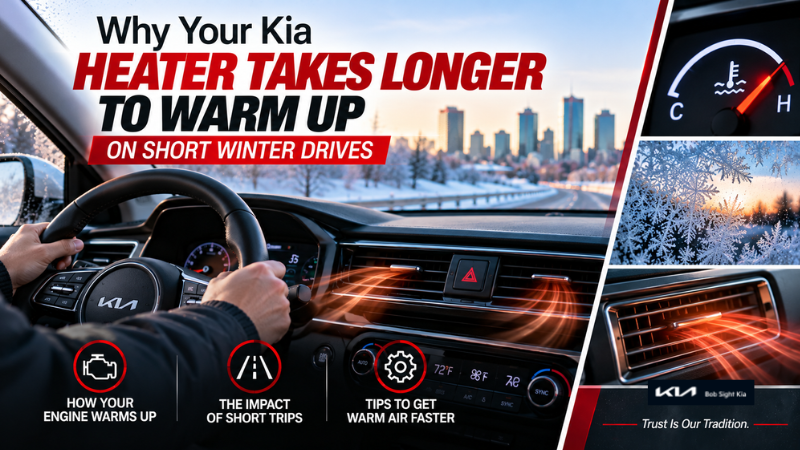
Why Your Kia Heater Takes Longer to Warm Up on Short Winter Drives
When cold winter morning air hits Jackson County, drivers in Independence and the greater Kansas City metro often notice that their Kia heater barely starts producing warm air before they reach their destination. Short trips under ten minutes do not allow your engine's cooling system enough operating time to reach full thermal efficiency. This delayed cabin heating causes uncomfortable morning commutes along Interstate 70 or U.S. Route 40 and leads to persistent windshield fogging. At Bob Sight Kia, our factory-certified service center regularly assists drivers across Independence, Blue Springs, Lee's Summit, and Raytown with seasonal heating checks and thermostat diagnostics. Understanding how your vehicle's cooling and heating systems generate cabin warmth helps you optimize winter driving habits, preserve fuel economy, and stay comfortable across freezing Missouri mornings.
Schedule Professional Kia Heating and Cooling Service at Bob Sight Kia in Independence, MO
In This Guide You'll Learn
Explore essential automotive heating facts and mechanical guidance tailored specifically for Jackson County commuters:
- The exact electro-thermal science behind engine warm-up times during freezing weather
- How short suburban commutes across Independence prevent the heater core from reaching full heat
- Why extended idle warm-ups waste fuel and accelerate engine wear compared to gentle driving
- Step-by-step procedures to optimize your Kia climate control settings for faster cabin heat
- Mechanical issues like stuck thermostats or low coolant that delay cabin heating
- Why professional cooling system service at Bob Sight Kia protects your engine and cabin comfort
The Thermodynamics of Vehicle Cabin Heating
Your Kia vehicle does not use an electric heating element to warm the cabin air; instead, it relies entirely on waste heat generated by the internal combustion engine. Liquid coolant absorbs extreme combustion heat inside the engine block and circulates through a small dashboard radiator called the heater core. The cabin blower motor then pushes fresh outside air across the hot fins of the heater core, delivering warm air through your dashboard vents.
During freezing Midwest winters near the Little Blue River basin or Truman Heritage Center, cold ambient air chills both the heavy metal engine block and the internal engine oil overnight. When you start your Kia Sorento, Telluride, or Sportage on a 15-degree morning, the cooling system's thermostat remains tightly closed. This traps liquid coolant inside the engine block so it can heat up rapidly before circulating through the main radiator or heater core.
Until your engine coolant temperature reaches approximately 160 to 180 degrees Fahrenheit, the fluid passing through the heater core lacks sufficient thermal energy to heat incoming cold air. On short trips under three or four miles near Noland Road or Sterling Avenue, the engine simply does not run long enough to build up and transfer necessary thermal energy to the interior cabin.
Why Short Commutes Across Independence Limit Cabin Heat
Short suburban trips do not place enough mechanical load on the engine to generate rapid heat, keeping coolant temperatures below ideal operating thresholds. Driving brief distances between residential neighborhoods and local shopping areas like the Independence Center commercial strip keeps the engine running at low RPMs, producing minimal friction and combustion heat.
Modern high-efficiency Kia engines are designed to maximize fuel economy and minimize thermal waste. While this engineering efficiency benefits your gas mileage during mild weather, it means less excess heat is available to warm the cabin quickly in sub-freezing conditions. Combined with icy winter winds sweeping across Highway 291 and Interstate 470, the cold air passing through the front grille constantly cools the engine bay while you drive.
The following table illustrates typical engine coolant warm-up times and corresponding heater output during cold Missouri winter starts:
| Elapsed Drive Time | Engine Coolant Temperature | Heater Vents Performance |
|---|---|---|
| 0 to 2 Minutes | 30°F to 70°F | Cold air; fan speed should remain low to prevent cabin chilling |
| 3 to 5 Minutes | 80°F to 130°F | Lukewarm air begins flowing from floor and defroster vents |
| 6 to 10 Minutes | 140°F to 175°F | Comfortable warm air clearing windshield frost and warming cabin |
| 10+ Minutes | 180°F to 200°F (Full Operating Temp) | Maximum hot air output maintaining target cabin setpoint |
If your daily drive to work or school across Sugar Creek, Grain Valley, or Raytown takes less than ten minutes, your vehicle operates mostly in the initial warm-up phase, which explains why the heater never seems to reach full output.
The Myth of Extended Idle Warm-Ups
Idling your parked vehicle for 15 minutes on your driveway warms the engine much slower than gentle driving and wastes significant amounts of fuel. When an engine idles motionless in cold weather, it burns minimal fuel and turns at low RPMs, generating very little heat energy. Gentle driving immediately after a brief 30-second start warm-up puts light load on the engine, helping it reach full operating temperature twice as fast as idling.
Extended idling also allows unburned fuel vapor to dilute engine oil and creates unnecessary combustion chamber deposits. Rather than sitting in a stationary car waiting for the temperature needle to move, start the engine, wait 30 to 60 seconds for oil pressure to stabilize, and begin driving smoothly down local streets like Blue Ridge Boulevard or Truman Road.
For maximum winter comfort on short drives, consider utilizing factory features like Kia Connect remote start with climate pre-conditioning, heated front seats, and a heated steering wheel. Heated seats and steering wheels draw electrical power directly from the alternator, providing personal warmth within seconds without relying on engine coolant temperatures.
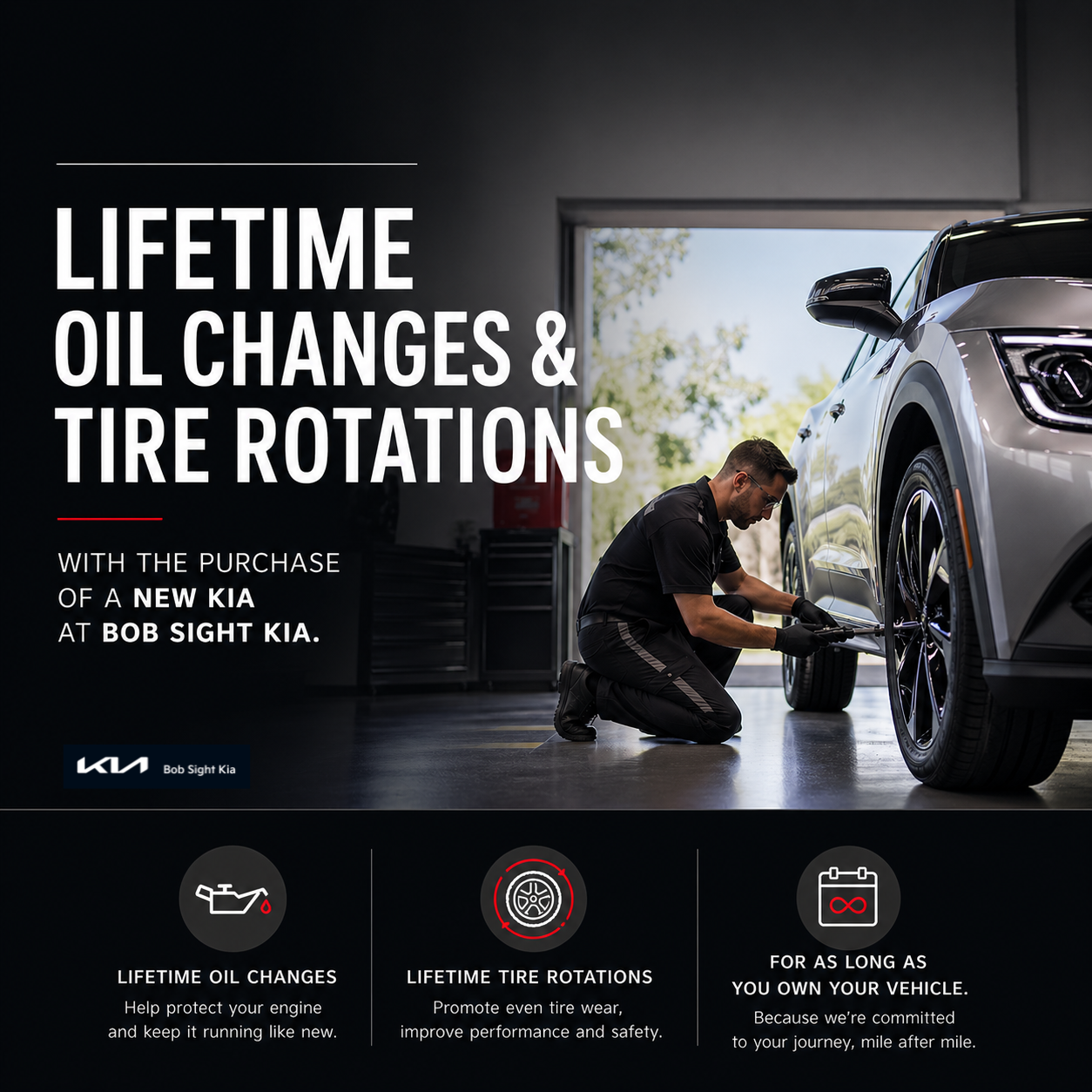
Step-by-Step: How to Get Faster Cabin Heat in Your Kia
Configuring your Kia climate control system correctly during the first few minutes of driving accelerates engine warm-up and prevents cold air from blowing into the cabin. Using improper climate settings can actually delay engine warm-up times. Follow this step-by-step winter climate routine:
- Keep the climate control blower fan speed on low or set to Auto for the first 2 to 3 minutes of driving so the heater core does not strip away vital initial engine heat.
- Set the temperature control dial to your desired comfort level (such as 72 degrees Fahrenheit) rather than turning it to maximum heat, which does not speed up warm-up times.
- Activate heated seats and heated steering wheel controls immediately upon starting the vehicle for instant personal warmth.
- Once the temperature gauge begins to rise, select floor and defrost split mode to warm your feet while keeping the windshield clear of interior fogging.
- Ensure the Air Recirculation mode is turned off after 5 minutes to prevent moisture from human breath from fogging interior window glass.
If your Kia model features Automatic Climate Control, the system manages blower fan speed intelligently. The computer keeps the fan turned off or on ultra-low speed until engine coolant reaches a minimum threshold, preventing cold air blasts before ramping up fan speed automatically once warm air is available.
Mechanical Issues That Delay or Prevent Cabin Heating
If your Kia heater stays cold even on long highway drives along Interstate 70 or Highway 50, an underlying mechanical flaw in the cooling system requires professional attention. While short drives explain slow warm-ups, persistent cold air signals a mechanical defect that can compromise engine safety.
Consider these primary mechanical causes of heating system failure:
- Stuck-Open Thermostat: A thermostat stuck open allows coolant to flow continuously through the main radiator, preventing the engine from reaching operating temperature in cold weather.
- Low Engine Coolant Level: Low fluid levels create air pockets inside the cooling system, starving the elevated heater core of hot fluid.
- Clogged Heater Core: Sediment, rust, or old fluid breakdown can block internal passages of the heater core, restricting hot fluid flow.
- Faulty Blend Door Actuator: A broken control gear prevents the climate door from switching between cold and hot air ducts behind the dashboard.
If your dashboard engine temperature gauge stays resting near C (Cold) or fluctuates wildly while driving, schedule a diagnostic check at Bob Sight Kia immediately to avoid thermal inefficiency or severe engine damage.
Quick Facts: Winter Heating Care for Independence Drivers
Keep these core heating principles in mind during cold Jackson County months:
- Engine Waste Heat: Your car heater uses waste heat from engine coolant; cabin heat is directly tied to engine operating temperature.
- 30-Second Rule: Avoid prolonged idling; driving gently 30 seconds after start-up warms the engine and heater much faster.
- Heated Seat Efficiency: Electric heated seats and steering wheels provide personal warmth within 60 seconds regardless of engine temp.
- Coolant Level Check: Low engine coolant is the leading cause of sudden loss of cabin heat and heater core air locks.
- Automatic Fan Control: Modern Kia climate control systems delay fan speed until engine coolant is warm enough to heat the cabin.
Understanding these basic automotive heating dynamics eliminates frustration on frigid mornings. Managing climate settings properly guarantees faster cabin comfort and clear forward visibility through winter drives.
Ownership Planning: Winter Cooling System Maintenance Strategy
A proactive winter maintenance plan ensures your vehicle's heating and cooling systems operate reliably through demanding Midwest winter weather. Maintaining engine coolant health and climate system components protects your vehicle against cold morning delays while preserving engine longevity across local drives in Liberty, Raytown, and Lee's Summit.
Incorporate a complete cooling system check into your seasonal service routine at Bob Sight Kia. Having our factory-trained technicians inspect coolant freeze protection levels, test thermostat opening and closing function, check cabin air filters, and inspect heater hoses guarantees complete system readiness.
Partnering with Bob Sight Kia gives you access to certified technicians, original OEM Kia parts, and modern diagnostic software. Proactive service ensures your Kia starts reliably, heats quickly, and delivers comfortable transportation all winter long.
Frequently Asked Questions
Why does my Kia heater blow cold air when stopped at traffic lights but warm air while driving?
Heater air that cools down at idle and warms up during acceleration usually indicates low engine coolant levels or a weak water pump. When coolant levels are low, air bubbles accumulate inside the heater core. At engine idle, the water pump spins slowly and lacks the hydraulic pressure needed to force coolant through the elevated heater core. Accelerating increases engine RPM and pump pressure, pushing hot fluid through the core temporarily.
If you experience fluctuating heat at red lights along Highway 291 or Noland Road, check your coolant overflow reservoir when the engine is cold. Adding approved coolant or having your system inspected at Bob Sight Kia restores steady heat flow.
Ignoring low coolant levels can cause severe air locks that prevent engine cooling, leading to unexpected engine overheating and costly internal repairs.
Is it safe to drive my Kia if the heater is blowing cold air on cold mornings?
It is safe to drive short distances if the cold air is simply due to normal engine warm-up time, but driving with a malfunctioning cooling system can cause severe engine damage. If your engine temperature gauge reaches normal operating range (middle of the gauge) but the heater continues blowing cold air, you may have low coolant, a stuck thermostat, or a blocked heater core.
Driving with low coolant or a faulty thermostat can cause localized hot spots inside the engine block, risking warped cylinder heads or blown head gaskets. Additionally, a cold heater cannot clear windshield frost or fog, compromising driving visibility along busy corridors like Interstate 470.
If your vehicle fails to produce warm air after 10 minutes of active driving, stop by Bob Sight Kia for a quick cooling system evaluation.
Does using my Kia heater use extra gas during winter drives?
Using your Kia heater does not consume extra fuel because it utilizes waste heat already produced by the engine combustion process. Unlike the air conditioning compressor which draws mechanical engine power to cool cabin air, the heating system simply redirects existing engine heat into the cabin using a small electrical blower fan.
However, running your front windshield defroster does engage the A/C compressor automatically to dry cabin humidity and prevent glass fogging, which can cause a minor drop in fuel efficiency. Running heated seats and heated steering wheels uses minor electrical current from the alternator, having virtually no noticeable impact on fuel economy.
overall, using your heater to stay warm during winter commutes across Independence is an efficient use of existing engine energy.
Why does my Kia engine take longer to warm up in winter than in summer?
Your Kia engine takes longer to warm up in winter because sub-freezing ambient air cools the heavy metal engine block and cold air passing through the radiator continuously removes thermal energy. In summer, ambient air temperatures of 80 or 90 degrees Fahrenheit provide little cooling resistance, allowing internal engine fluid temperatures to rise rapidly.
In winter, freezing ambient temperatures absorb heat from the engine bay constantly. Furthermore, cold engine oil is thick and viscous, requiring more energy to circulate during initial startup.
Using proper low-viscosity winter engine oil recommended in your Kia owner's manual reduces cold engine drag, helping your powertrain reach optimal operating temperature and produce cabin heat faster.
Can a dirty cabin air filter prevent my Kia heater from getting warm?
A dirty cabin air filter will not affect engine coolant temperature, but it severely restricts total airflow coming out of your heater vents, making the cabin feel cold. The cabin air filter traps dust, pollen, and leaves before air enters your heating and ventilation ductwork.
When the filter becomes clogged, it acts as a barrier, preventing the blower fan from pushing warm air across the heater core into the passenger cabin. Even if your heater core reaches 190 degrees Fahrenheit, a blocked filter results in weak, disappointing vent output.
Replacing your cabin air filter annually at Bob Sight Kia restores full ventilation airflow, ensuring maximum cabin heat and quick windshield defrosting during freezing weather.
Strong Local Closing
Servicing your Kia vehicle locally at Bob Sight Kia in Independence, MO ensures expert climate control care tailored specifically to Midwest climate conditions by factory-trained automotive technicians. Our certified service facility understands the rigorous heating and safety demands local winter weather places on your vehicle's engine, cooling loop, and HVAC components. We combine state-of-the-art diagnostic tools, genuine OEM Kia replacement parts, and transparent customer service to make every vehicle maintenance visit fast, convenient, and reliable.
Whether you require a cooling system flush, thermostat replacement, cabin air filter swap, or heater core service, our team is dedicated to keeping your vehicle warm and reliable every day. We proudly serve drivers throughout Independence, Blue Springs, Lee's Summit, Raytown, Sugar Creek, Grain Valley, and Liberty with honest recommendations and professional care. Visit Bob Sight Kia today on East 39th Street South to inspect your heating and cooling system before severe winter weather arrives.
Helpful Links
- Schedule Kia Heating and Cooling Service in Independence, MO
- Explore Kia Service and Parts Specials
- Order Genuine OEM Kia Climate Control Parts
- Browse New Kia Vehicles for Sale Near Kansas City
- Value Your Trade Online at Bob Sight Kia
Proud to Be Part of the Bob Sight Auto Group
Bob Sight Kia is proud to be a member of the Bob Sight Auto Group, serving drivers across Missouri and Kansas with trusted automotive sales, financing, and service for generations. Whether you are shopping for a new vehicle, searching for quality pre-owned inventory, or seeking certified factory service, our dealership family is committed to delivering exceptional customer care at every location.
 Warranties include 10-year/100,000-mile powertrain and 5-year/60,000-mile basic. All warranties and roadside assistance are limited. See retailer for warranty details.