
Today: 8:30AM - 6:00PM
Blog / Service & Maintenance

Blog

All Service & Maintenance Independence Kia Dealer Bob Sight Kia Bob Sight Kia News Bob Sight Independence Kia Service Independence Kia Service New Inventory Kia Dealerships Near Me Car Buying Tips Local Kia Service New Kia Models New Models Liberty Car Service Local Kia Dealerships New Telluride New Kia Sportage Kia K4 Kia Sorento Blue Springs Car Buyers Independence Used Cars 2026 New Kia Sportage Missouri Vehicle Tips Pre-Owned Vehicle Inventory Pre-Owned Kia Inventory Kia Maintenance & Repair Kia Carnival Kia parts Car Shopping K5 Kia Buying Guides Kansas City Metro Auto Kia Model Comparisons Maintenance SUV Research Used Cars Used Vehicles 2026 Kia Sorento Kia Finance Finance 2026 Kia Sorento Hybrid New Kia Sportage Hybrid Servicio y Mantenimiento 2027 Kia Sportage Seasonal Car Care Family Vehicles Hybrid Kia K4 Hatcback New Kia K5 Inventory Seltos Compra de Autos Modelos Kia Noticias del Concesionario Safety Comunidad Local Events Kia Sedan Features
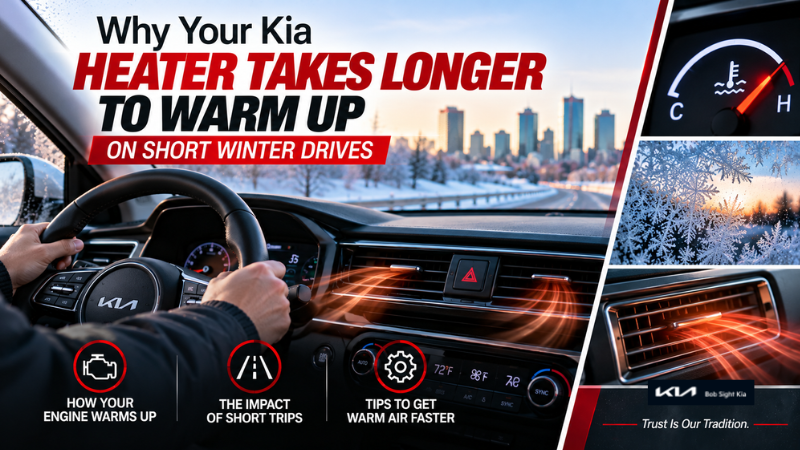
Kia digital climate control dashboard displaying temperature settings and warm air defrost airflow during cold winter driving in Independence MO

Why Your Kia Heater Takes Longer to Warm Up on Short Winter Drives

Why Your Kia Heater Takes Longer to Warm Up on Short Winter Drives When cold winter morning air hits Jackson County, drivers in Independence and the greater Kansas City metro often notice that their Kia heater barely starts producing warm air before they reach their destination. Short trips under ten minutes do not allow your engine's cooling system enough operating time to reach full thermal efficiency. This delayed cabin heating causes uncomfortable morning commutes along Interstate 70 or U.S. Route 40 and leads to persistent windshield fogging. At Bob Sight Kia, our factory-certified service center regularly assists drivers across Independence, Blue Springs, Lee's Summit, and Raytown with seasonal heating checks and thermostat diagnostics. Understanding how your vehicle's cooling and heating systems generate cabin warmth helps you optimize winter driving habits, preserve fuel economy, and stay comfortable across freezing Missouri mornings. Schedule Professional Kia Heating and Cooling Service at Bob Sight Kia in Independence, MO In This Guide You'll Learn Explore essential automotive heating facts and mechanical guidance tailored specifically for Jackson County commuters: The exact electro-thermal science behind engine warm-up times during freezing weather How short suburban commutes across Independence prevent the heater core from reaching full heat Why extended idle warm-ups waste fuel and accelerate engine wear compared to gentle driving Step-by-step procedures to optimize your Kia climate control settings for faster cabin heat Mechanical issues like stuck thermostats or low coolant that delay cabin heating Why professional cooling system service at Bob Sight Kia protects your engine and cabin comfort The Thermodynamics of Vehicle Cabin Heating Your Kia vehicle does not use an electric heating element to warm the cabin air; instead, it relies entirely on waste heat generated by the internal combustion engine. Liquid coolant absorbs extreme combustion heat inside the engine block and circulates through a small dashboard radiator called the heater core. The cabin blower motor then pushes fresh outside air across the hot fins of the heater core, delivering warm air through your dashboard vents. During freezing Midwest winters near the Little Blue River basin or Truman Heritage Center, cold ambient air chills both the heavy metal engine block and the internal engine oil overnight. When you start your Kia Sorento, Telluride, or Sportage on a 15-degree morning, the cooling system's thermostat remains tightly closed. This traps liquid coolant inside the engine block so it can heat up rapidly before circulating through the main radiator or heater core. Until your engine coolant temperature reaches approximately 160 to 180 degrees Fahrenheit, the fluid passing through the heater core lacks sufficient thermal energy to heat incoming cold air. On short trips under three or four miles near Noland Road or Sterling Avenue, the engine simply does not run long enough to build up and transfer necessary thermal energy to the interior cabin. Why Short Commutes Across Independence Limit Cabin Heat Short suburban trips do not place enough mechanical load on the engine to generate rapid heat, keeping coolant temperatures below ideal operating thresholds. Driving brief distances between residential neighborhoods and local shopping areas like the Independence Center commercial strip keeps the engine running at low RPMs, producing minimal friction and combustion heat. Modern high-efficiency Kia engines are designed to maximize fuel economy and minimize thermal waste. While this engineering efficiency benefits your gas mileage during mild weather, it means less excess heat is available to warm the cabin quickly in sub-freezing conditions. Combined with icy winter winds sweeping across Highway 291 and Interstate 470, the cold air passing through the front grille constantly cools the engine bay while you drive. The following table illustrates typical engine coolant warm-up times and corresponding heater output during cold Missouri winter starts: Elapsed Drive Time Engine Coolant Temperature Heater Vents Performance 0 to 2 Minutes 30°F to 70°F Cold air; fan speed should remain low to prevent cabin chilling 3 to 5 Minutes 80°F to 130°F Lukewarm air begins flowing from floor and defroster vents 6 to 10 Minutes 140°F to 175°F Comfortable warm air clearing windshield frost and warming cabin 10+ Minutes 180°F to 200°F (Full Operating Temp) Maximum hot air output maintaining target cabin setpoint If your daily drive to work or school across Sugar Creek, Grain Valley, or Raytown takes less than ten minutes, your vehicle operates mostly in the initial warm-up phase, which explains why the heater never seems to reach full output. The Myth of Extended Idle Warm-Ups Idling your parked vehicle for 15 minutes on your driveway warms the engine much slower than gentle driving and wastes significant amounts of fuel. When an engine idles motionless in cold weather, it burns minimal fuel and turns at low RPMs, generating very little heat energy. Gentle driving immediately after a brief 30-second start warm-up puts light load on the engine, helping it reach full operating temperature twice as fast as idling. Extended idling also allows unburned fuel vapor to dilute engine oil and creates unnecessary combustion chamber deposits. Rather than sitting in a stationary car waiting for the temperature needle to move, start the engine, wait 30 to 60 seconds for oil pressure to stabilize, and begin driving smoothly down local streets like Blue Ridge Boulevard or Truman Road. For maximum winter comfort on short drives, consider utilizing factory features like Kia Connect remote start with climate pre-conditioning, heated front seats, and a heated steering wheel. Heated seats and steering wheels draw electrical power directly from the alternator, providing personal warmth within seconds without relying on engine coolant temperatures. Step-by-Step: How to Get Faster Cabin Heat in Your Kia Configuring your Kia climate control system correctly during the first few minutes of driving accelerates engine warm-up and prevents cold air from blowing into the cabin. Using improper climate settings can actually delay engine warm-up times. Follow this step-by-step winter climate routine: Keep the climate control blower fan speed on low or set to Auto for the first 2 to 3 minutes of driving so the heater core does not strip away vital initial engine heat. Set the temperature control dial to your desired comfort level (such as 72 degrees Fahrenheit) rather than turning it to maximum heat, which does not speed up warm-up times. Activate heated seats and heated steering wheel controls immediately upon starting the vehicle for instant personal warmth. Once the temperature gauge begins to rise, select floor and defrost split mode to warm your feet while keeping the windshield clear of interior fogging. Ensure the Air Recirculation mode is turned off after 5 minutes to prevent moisture from human breath from fogging interior window glass. If your Kia model features Automatic Climate Control, the system manages blower fan speed intelligently. The computer keeps the fan turned off or on ultra-low speed until engine coolant reaches a minimum threshold, preventing cold air blasts before ramping up fan speed automatically once warm air is available. Mechanical Issues That Delay or Prevent Cabin Heating If your Kia heater stays cold even on long highway drives along Interstate 70 or Highway 50, an underlying mechanical flaw in the cooling system requires professional attention. While short drives explain slow warm-ups, persistent cold air signals a mechanical defect that can compromise engine safety. Consider these primary mechanical causes of heating system failure: Stuck-Open Thermostat: A thermostat stuck open allows coolant to flow continuously through the main radiator, preventing the engine from reaching operating temperature in cold weather. Low Engine Coolant Level: Low fluid levels create air pockets inside the cooling system, starving the elevated heater core of hot fluid. Clogged Heater Core: Sediment, rust, or old fluid breakdown can block internal passages of the heater core, restricting hot fluid flow. Faulty Blend Door Actuator: A broken control gear prevents the climate door from switching between cold and hot air ducts behind the dashboard. If your dashboard engine temperature gauge stays resting near C (Cold) or fluctuates wildly while driving, schedule a diagnostic check at Bob Sight Kia immediately to avoid thermal inefficiency or severe engine damage. Quick Facts: Winter Heating Care for Independence Drivers Keep these core heating principles in mind during cold Jackson County months: Engine Waste Heat: Your car heater uses waste heat from engine coolant; cabin heat is directly tied to engine operating temperature. 30-Second Rule: Avoid prolonged idling; driving gently 30 seconds after start-up warms the engine and heater much faster. Heated Seat Efficiency: Electric heated seats and steering wheels provide personal warmth within 60 seconds regardless of engine temp. Coolant Level Check: Low engine coolant is the leading cause of sudden loss of cabin heat and heater core air locks. Automatic Fan Control: Modern Kia climate control systems delay fan speed until engine coolant is warm enough to heat the cabin. Understanding these basic automotive heating dynamics eliminates frustration on frigid mornings. Managing climate settings properly guarantees faster cabin comfort and clear forward visibility through winter drives. Ownership Planning: Winter Cooling System Maintenance Strategy A proactive winter maintenance plan ensures your vehicle's heating and cooling systems operate reliably through demanding Midwest winter weather. Maintaining engine coolant health and climate system components protects your vehicle against cold morning delays while preserving engine longevity across local drives in Liberty, Raytown, and Lee's Summit. Incorporate a complete cooling system check into your seasonal service routine at Bob Sight Kia. Having our factory-trained technicians inspect coolant freeze protection levels, test thermostat opening and closing function, check cabin air filters, and inspect heater hoses guarantees complete system readiness. Partnering with Bob Sight Kia gives you access to certified technicians, original OEM Kia parts, and modern diagnostic software. Proactive service ensures your Kia starts reliably, heats quickly, and delivers comfortable transportation all winter long. Frequently Asked Questions Why does my Kia heater blow cold air when stopped at traffic lights but warm air while driving? Heater air that cools down at idle and warms up during acceleration usually indicates low engine coolant levels or a weak water pump. When coolant levels are low, air bubbles accumulate inside the heater core. At engine idle, the water pump spins slowly and lacks the hydraulic pressure needed to force coolant through the elevated heater core. Accelerating increases engine RPM and pump pressure, pushing hot fluid through the core temporarily. If you experience fluctuating heat at red lights along Highway 291 or Noland Road, check your coolant overflow reservoir when the engine is cold. Adding approved coolant or having your system inspected at Bob Sight Kia restores steady heat flow. Ignoring low coolant levels can cause severe air locks that prevent engine cooling, leading to unexpected engine overheating and costly internal repairs. Is it safe to drive my Kia if the heater is blowing cold air on cold mornings? It is safe to drive short distances if the cold air is simply due to normal engine warm-up time, but driving with a malfunctioning cooling system can cause severe engine damage. If your engine temperature gauge reaches normal operating range (middle of the gauge) but the heater continues blowing cold air, you may have low coolant, a stuck thermostat, or a blocked heater core. Driving with low coolant or a faulty thermostat can cause localized hot spots inside the engine block, risking warped cylinder heads or blown head gaskets. Additionally, a cold heater cannot clear windshield frost or fog, compromising driving visibility along busy corridors like Interstate 470. If your vehicle fails to produce warm air after 10 minutes of active driving, stop by Bob Sight Kia for a quick cooling system evaluation. Does using my Kia heater use extra gas during winter drives? Using your Kia heater does not consume extra fuel because it utilizes waste heat already produced by the engine combustion process. Unlike the air conditioning compressor which draws mechanical engine power to cool cabin air, the heating system simply redirects existing engine heat into the cabin using a small electrical blower fan. However, running your front windshield defroster does engage the A/C compressor automatically to dry cabin humidity and prevent glass fogging, which can cause a minor drop in fuel efficiency. Running heated seats and heated steering wheels uses minor electrical current from the alternator, having virtually no noticeable impact on fuel economy. overall, using your heater to stay warm during winter commutes across Independence is an efficient use of existing engine energy. Why does my Kia engine take longer to warm up in winter than in summer? Your Kia engine takes longer to warm up in winter because sub-freezing ambient air cools the heavy metal engine block and cold air passing through the radiator continuously removes thermal energy. In summer, ambient air temperatures of 80 or 90 degrees Fahrenheit provide little cooling resistance, allowing internal engine fluid temperatures to rise rapidly. In winter, freezing ambient temperatures absorb heat from the engine bay constantly. Furthermore, cold engine oil is thick and viscous, requiring more energy to circulate during initial startup. Using proper low-viscosity winter engine oil recommended in your Kia owner's manual reduces cold engine drag, helping your powertrain reach optimal operating temperature and produce cabin heat faster. Can a dirty cabin air filter prevent my Kia heater from getting warm? A dirty cabin air filter will not affect engine coolant temperature, but it severely restricts total airflow coming out of your heater vents, making the cabin feel cold. The cabin air filter traps dust, pollen, and leaves before air enters your heating and ventilation ductwork. When the filter becomes clogged, it acts as a barrier, preventing the blower fan from pushing warm air across the heater core into the passenger cabin. Even if your heater core reaches 190 degrees Fahrenheit, a blocked filter results in weak, disappointing vent output. Replacing your cabin air filter annually at Bob Sight Kia restores full ventilation airflow, ensuring maximum cabin heat and quick windshield defrosting during freezing weather. Strong Local Closing Servicing your Kia vehicle locally at Bob Sight Kia in Independence, MO ensures expert climate control care tailored specifically to Midwest climate conditions by factory-trained automotive technicians. Our certified service facility understands the rigorous heating and safety demands local winter weather places on your vehicle's engine, cooling loop, and HVAC components. We combine state-of-the-art diagnostic tools, genuine OEM Kia replacement parts, and transparent customer service to make every vehicle maintenance visit fast, convenient, and reliable. Whether you require a cooling system flush, thermostat replacement, cabin air filter swap, or heater core service, our team is dedicated to keeping your vehicle warm and reliable every day. We proudly serve drivers throughout Independence, Blue Springs, Lee's Summit, Raytown, Sugar Creek, Grain Valley, and Liberty with honest recommendations and professional care. Visit Bob Sight Kia today on East 39th Street South to inspect your heating and cooling system before severe winter weather arrives. Helpful Links Schedule Kia Heating and Cooling Service in Independence, MO Explore Kia Service and Parts Specials Order Genuine OEM Kia Climate Control Parts Browse New Kia Vehicles for Sale Near Kansas City Value Your Trade Online at Bob Sight Kia Proud to Be Part of the Bob Sight Auto Group Bob Sight Kia is proud to be a member of the Bob Sight Auto Group, serving drivers across Missouri and Kansas with trusted automotive sales, financing, and service for generations. Whether you are shopping for a new vehicle, searching for quality pre-owned inventory, or seeking certified factory service, our dealership family is committed to delivering exceptional customer care at every location. Bob Sight Kia - Independence, MO Bob Sight Honda - Lawrence, KS Bob Sight CDJR - Lawrence, KS Bob Sight Ford - Lee's Summit, MO Bob Sight Collision Center - Lee's Summit, MO
Certified Kia technician inspecting climate control defroster system and dashboard vents in Independence MO

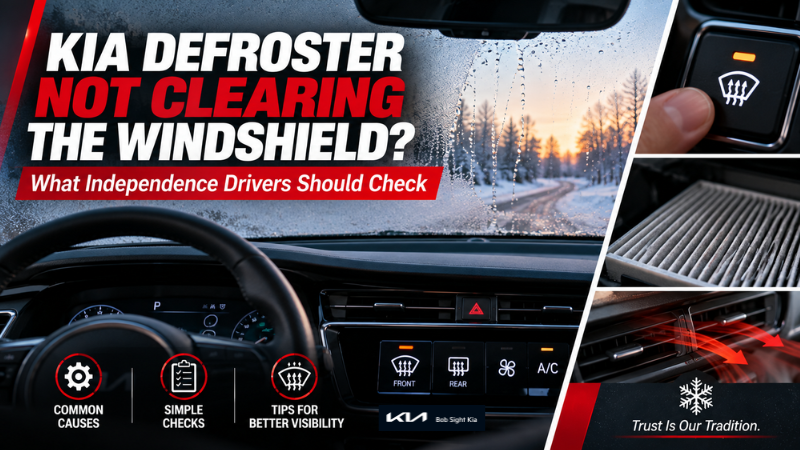
Kia Defroster Not Clearing Windshield Independence Drivers Check

Kia Defroster Not Clearing the Windshield? What Independence Drivers Should Check When winter temperatures drop across Jackson County, a properly working windshield defroster becomes an important part of everyday driving. Whether you are leaving home in Independence, commuting toward Kansas City on Interstate 70, or traveling through Blue Springs and Raytown, clear windshield visibility matters before you begin your drive. If your Kia defroster is blowing cold air, producing weak airflow, or struggling to clear condensation from the windshield, several different heating, ventilation, and climate control components could be involved. Sometimes the problem is as simple as an incorrect climate setting or a restricted cabin air filter. Other situations may require inspection of the blower motor, air distribution doors, heating system, or electrical controls. Understanding how your Kia's defroster works can help you recognize common symptoms, perform basic checks safely, and determine when professional service is appropriate. At Bob Sight Kia in Independence, Missouri, our service department helps drivers address heating, ventilation, air conditioning, and seasonal vehicle maintenance concerns. Knowing what to look for when your defroster stops performing normally can make it easier to explain the problem and plan the next steps. Schedule Kia Defroster and Climate Control Service in Independence, MO In This Guide You'll Learn This guide explains the major components involved in windshield defrosting and the symptoms that may indicate a maintenance or mechanical concern. How your Kia's heating and ventilation systems work together to clear the windshield Common reasons a front defroster blows cold air instead of warm air Why restricted airflow may indicate a cabin air filter, blower motor, or ventilation door problem How blend door and mode door actuators affect temperature and airflow direction What the A/C system contributes to windshield defogging during winter Which basic troubleshooting checks drivers can perform safely at home How rear-window defroster problems differ from front windshield defroster problems When a professional Kia HVAC or cooling system inspection may be needed How Your Kia Windshield Defroster System Works Your Kia's front windshield defroster uses the vehicle's climate control and ventilation system to direct air toward the interior surface of the windshield. The goal is to reduce condensation, warm the glass when appropriate, and improve forward visibility. During cold weather, warm airflow helps raise the temperature of the windshield surface. As the glass warms, moisture becomes less likely to condense on it, and existing condensation can evaporate. Fresh air ventilation and air conditioning may also help reduce moisture inside the passenger compartment, depending on outdoor conditions and the vehicle's climate control design. How Heating and Air Conditioning Work Together In many gasoline-powered Kia vehicles, cabin heat comes from a heater core that transfers heat from the engine cooling system into the ventilation air. As the engine warms, coolant circulates through the heating system. Air moving through or around the heater core can then be warmed before entering the passenger compartment. Hybrid and electric Kia models may use different heating arrangements, including electric heating components or heat pump systems, depending on the model and equipment. The air conditioning system can contribute to defogging by removing moisture from ventilation air when the system is operating under suitable conditions. However, the A/C compressor does not have to run continuously for the defroster to work. Compressor operation may be limited at low outdoor temperatures, and some vehicles automatically manage this function. What Happens When You Select Front Defrost? When you activate the front defrost setting, the climate control system directs airflow toward the windshield. Depending on your Kia's equipment, selecting defrost may also change fan speed, air intake mode, temperature settings, or air conditioning operation. Vehicles with automatic climate control may manage several of these adjustments without requiring the driver to change each setting manually. Because operation varies by model and year, your owner's manual is the best reference for the exact defrost procedure. Why Different Components Can Cause Similar Symptoms A defroster that does not clear the windshield may have a heating problem, an airflow problem, a moisture problem, or a combination of concerns. For example, the heater may produce warm air, but a malfunctioning air distribution door may prevent enough of that air from reaching the windshield. In another situation, the ventilation system may direct air correctly, but a restricted cabin air filter or weak blower motor may reduce airflow. Identifying whether the primary symptom involves air temperature, airflow strength, airflow direction, or persistent moisture is a useful first step in troubleshooting. Top Reasons Your Kia Defroster Blows Cold Air If your Kia's front defroster produces cold air when warm air is selected, the cause may involve the vehicle's heating system or climate control components. The possible causes depend on the model and the type of heating system installed. Low Engine Coolant Level In vehicles that use engine coolant to provide cabin heat, low coolant can interfere with normal heater operation. If the cooling system does not contain the proper amount of coolant, circulation through the heater core may be affected. Air trapped in the system can also interfere with heat transfer. Possible symptoms include inconsistent cabin heat, a temperature gauge that behaves unusually, visible coolant leakage, or a low coolant level in the reservoir. Low coolant should not be ignored because it may indicate a leak or another cooling system concern. Always allow the engine to cool completely before inspecting the coolant reservoir. Never remove a pressurized radiator or coolant cap while the system is hot. Engine Thermostat Problems The thermostat helps regulate engine coolant temperature in many gasoline-powered vehicles. If the thermostat becomes stuck open, the engine may take longer than normal to reach its intended operating temperature. This can result in slower cabin heating during cold weather. Possible symptoms include an engine temperature gauge that remains unusually low, reduced heater performance, or diagnostic trouble codes related to engine temperature regulation. However, slow heating does not automatically mean the thermostat has failed. Outdoor temperature, engine design, driving conditions, and vehicle operating strategy can also affect warm-up time. Restricted or Clogged Heater Core A heater core transfers heat from the engine coolant to the ventilation air in vehicles equipped with this type of heating system. If coolant flow through the heater core becomes restricted, the system may produce less heat than expected. Restrictions can develop from deposits, contamination, or other cooling system problems. Possible symptoms include weak cabin heat despite normal engine temperature or inconsistent heating performance. A professional inspection is needed to determine whether the heater core is restricted or whether another component is responsible. Faulty Temperature Blend Door Actuator Many automotive climate control systems use a blend door to regulate the temperature of air entering the passenger compartment. An actuator moves the door according to the temperature setting selected by the driver. If the actuator or door mechanism fails, the system may become stuck delivering air that is too hot or too cold. Symptoms may include: Cold air continuing to blow when heat is selected Air temperature changing unexpectedly Different temperatures coming from separate climate zones Clicking or tapping noises behind the dashboard Temperature controls that do not respond normally These symptoms can have multiple causes, so actuator replacement should follow an appropriate diagnosis. Heating Differences in Kia Hybrid and Electric Vehicles Not every Kia uses the same heating system. Hybrid and electric models may incorporate electric heaters, heat pumps, or other vehicle-specific components. Because these systems operate differently from conventional engine-coolant heating arrangements, troubleshooting procedures also differ. Drivers should consult the model-specific owner's manual and avoid attempting repairs involving high-voltage components. Diagnosing Weak or Insufficient Defroster Airflow Sometimes the defroster produces warm air but cannot move enough of it across the windshield. Weak airflow may leave sections of glass fogged or slow the removal of condensation. Several ventilation components can contribute to this problem. Air Blows Strongly From Floor Vents but Weakly From Defrost Vents If the blower seems to operate normally but most of the air comes from the floor or dashboard vents instead of the windshield openings, an air distribution problem may be present. Many climate control systems use a mode door to determine where air is directed. A faulty mode door actuator, damaged door mechanism, or climate control issue may prevent the airflow from reaching the selected vents. Before assuming a component has failed, confirm that the front defrost setting is selected correctly. Airflow Is Weak From Every Vent Weak airflow throughout the ventilation system may indicate a restricted cabin air filter, blower motor problem, blocked intake, or electrical control issue. A cabin air filter that has collected excessive dirt, leaves, or other debris can restrict the volume of air moving through the system. However, a dirty filter is not the only possible explanation. If airflow remains weak even with the fan set to high, the blower motor or another ventilation component may need inspection. Blower Motor Makes Squeaking, Rattling, or Clicking Noises Unusual noises from the ventilation system can sometimes indicate debris contacting the blower fan or wear within the blower motor assembly. Leaves and other material may enter the ventilation intake under certain conditions. Mechanical wear can also produce noises that change as fan speed increases or decreases. If the sound persists, a service inspection can help identify its source. Blower Fan Works Only at Certain Speeds If the blower operates only at its highest setting, only at certain speeds, or not at all, the problem may involve the fan control system. Depending on the vehicle, possible causes include a blower motor resistor, electronic control module, wiring problem, fuse, or blower motor failure. The correct diagnosis depends on the specific symptom and electrical design. Replacing parts without testing may not resolve the problem. When to Inspect the Cabin Air Filter Cabin air filters collect dust, pollen, and other airborne particles before they enter the passenger compartment. As debris accumulates, airflow may become restricted. If your Kia has reduced ventilation airflow or persistent odors, checking the filter is a reasonable maintenance step. The replacement interval varies by model, maintenance schedule, and driving conditions. Follow your Kia owner's manual rather than assuming every vehicle needs a replacement at the same mileage. Schedule Kia Cabin Air Filter and Defroster Service The Role of Air Conditioning in Winter Windshield Defrosting Air conditioning is commonly associated with cooling the passenger compartment during summer, but it can also assist with moisture removal. When the A/C system operates, air passing over the evaporator can lose moisture as water vapor condenses on the cold evaporator surface. That moisture can then drain outside the vehicle through the condensate drainage system. This process helps explain why some vehicles automatically select A/C operation during windshield defrosting. Does the A/C Compressor Always Run During Defrost? No. Compressor operation depends on vehicle design, temperature, and other operating conditions. Some Kia climate control systems automatically request air conditioning when front defrost is selected, but the compressor may be limited or disabled during very cold weather. The defroster can still improve windshield visibility through warm airflow and ventilation even when the compressor is not operating. An illuminated A/C indicator does not necessarily confirm that the compressor is running at that moment. Can an A/C Problem Affect Defogging? Under some conditions, an air conditioning problem may reduce the system's ability to remove moisture from ventilation air. However, slow windshield clearing does not automatically mean the A/C compressor has failed. Cabin humidity, ventilation settings, glass temperature, blower performance, and airflow direction may also contribute. If your Kia struggles to clear condensation even when the appropriate defrost settings are selected, a climate control inspection can help identify the cause. What About Musty Odors From the Defroster? A musty odor from the ventilation system may be associated with moisture, contamination, or microbial growth in parts of the HVAC system. A dirty cabin air filter can also contribute to unpleasant odors. However, an odor alone does not identify the exact component responsible. If the smell persists, have the ventilation system inspected rather than assuming refrigerant or compressor failure. Step-by-Step: Kia Defroster Troubleshooting Checklist Before scheduling a service appointment, several basic observations may help narrow down the issue. These checks are intended for drivers and do not require disassembling the dashboard, opening pressurized cooling components, or handling electrical wiring. Step 1: Confirm the Front Defrost Setting With the vehicle safely parked, activate the front windshield defrost mode. Confirm that airflow is directed toward the windshield rather than only the dashboard or floor vents. Refer to your owner's manual if you are unsure which control activates the front defroster. Step 2: Adjust the Temperature and Fan Speed Select an appropriate warm temperature and increase the fan speed. Check whether the airflow becomes stronger as the fan setting increases. Observe whether the air temperature changes when you adjust the temperature control. If the fan does not respond or the air remains cold after the heating system has had sufficient time to operate, additional inspection may be needed. Step 3: Check the Air Intake Setting During many cold-weather fogging situations, fresh air mode can help reduce moisture accumulating inside the passenger compartment. If your vehicle allows manual control, check whether recirculation is selected. Some Kia models automatically manage air intake settings during front defrost operation. Step 4: Observe the Engine Temperature if Applicable For Kia models with an engine temperature gauge, observe whether the engine warms normally during operation. There is no universal five-minute or ten-minute warm-up requirement that applies to every Kia. Warm-up time depends on outside temperature, engine design, operating conditions, and other factors. If the temperature gauge behaves unusually or a temperature warning appears, follow the owner's manual instructions. Step 5: Inspect the Coolant Reservoir Only When Safe For vehicles with an engine cooling system, a coolant level check may help identify a possible heating concern. Only inspect the reservoir when the engine and cooling system are completely cold. Check the level according to the owner's manual and look for obvious signs of leakage. Never open a hot or pressurized coolant system. If the coolant is low, avoid assuming that simply adding coolant resolves the underlying problem. The cause of the loss may need diagnosis. Step 6: Listen for Unusual HVAC Noises While the vehicle is parked, change the fan speed and airflow direction settings. Listen for persistent clicking, rattling, grinding, or other unusual sounds from behind the dashboard. These noises may help a technician identify a blower, actuator, or ventilation concern. Step 7: Determine Whether the Problem Is Temperature, Airflow, or Moisture Try to identify the main symptom before scheduling service. Cold airflow: The system moves air normally but does not produce the expected heat. Weak airflow: The fan operates, but little air reaches the vents. Wrong vent location: Air comes from the floor or dashboard instead of the windshield. Persistent condensation: Airflow and temperature seem normal, but the windshield remains fogged. No blower operation: The ventilation fan does not respond when switched on. These observations can help your service advisor understand the concern and determine which systems may need testing. Quick Facts: Kia Defroster Maintenance Essentials Front Defrost: Directs ventilation airflow toward the windshield to help remove condensation and improve visibility. Heating System: Provides warm air using the heating components appropriate for the vehicle's powertrain and design. Air Conditioning: Can assist with moisture removal when compressor operation is available under the current conditions. Fresh Air Mode: Can help reduce accumulated cabin humidity during many cold-weather conditions. Cabin Air Filter: A heavily restricted filter may reduce airflow and slow windshield clearing. Blower Motor: Moves air through the ventilation system and may cause weak or missing airflow if it malfunctions. Mode Door Actuator: Helps direct air to the selected vents on vehicles equipped with this arrangement. Automatic Defogging: Availability and operation vary by Kia model, year, and trim. Preparing Your Kia's Heating and Climate Control System for Winter Checking your Kia's climate control system before winter arrives can help identify performance concerns before they become more noticeable during freezing weather. For drivers in Independence, Raytown, Sugar Creek, Grain Valley, and the surrounding Kansas City metro, fall is a practical time to review heating and defroster operation. Test the Front Defroster Before Temperatures Drop Activate the front defroster while the vehicle is parked and confirm that air reaches the windshield. Check whether the fan responds to different speed settings and whether the temperature controls operate normally. If airflow is weak or the air does not warm as expected, consider scheduling an inspection before severe winter weather. Review Cabin Air Filter Maintenance Consult your owner's manual to determine when the cabin air filter should be inspected or replaced. Dusty driving conditions and heavy debris accumulation may require more frequent attention. A restricted filter can reduce ventilation performance, but replacing it will not correct unrelated electrical or heating system faults. Pay Attention to Cooling System Symptoms For vehicles that use engine coolant for cabin heating, unusual temperature gauge behavior, coolant loss, or inconsistent heat can indicate a concern worth investigating. Do not continue driving if the vehicle displays an overheating warning or other instruction requiring you to stop. Check for Moisture Inside the Cabin Wet carpeting, damp floor mats, and water intrusion can increase cabin humidity and make windshield clearing more difficult. Remove accumulated moisture when practical and have persistent leaks inspected. Consider Professional HVAC Diagnosis When Symptoms Continue If the defroster does not respond normally after checking the settings, a professional inspection may involve testing the blower motor, ventilation doors, climate controls, heating components, or related electrical systems. The appropriate diagnostic steps depend on the symptom and the Kia model. Addressing the underlying cause is more useful than replacing parts based on a single symptom. Frequently Asked Questions About Kia Defroster Problems Why does my Kia defroster take so long to start blowing warm air on cold mornings? In many gasoline-powered Kia vehicles, cabin heat depends on the engine cooling system reaching a temperature that allows the heater core to provide useful warmth. During cold weather, the engine and cooling system may take longer to warm up. However, the time required varies based on the vehicle, outside temperature, and operating conditions. Hybrid and electric Kia vehicles may use different heating arrangements, so their behavior can differ from conventional gasoline-powered models. If your Kia consistently produces little or no heat after normal operation, the thermostat, heating components, coolant system, or climate controls may need inspection. Do not rely on a fixed warm-up time as proof of a failed thermostat. Can a weak battery or alternator cause my Kia defroster fan to run slowly? Electrical system problems can affect components that depend on a stable power supply, including the ventilation blower motor. In a conventional gasoline-powered vehicle, the battery and charging system support the electrical equipment used during operation. If the charging system is malfunctioning, you may notice symptoms such as dashboard warnings, dimming lights, or unusual electrical behavior. However, a slow blower fan does not automatically indicate a weak battery or alternator. Blower motor wear, control modules, wiring, and other electrical components may also be responsible. If weak airflow occurs alongside other electrical symptoms, battery and charging system testing may be appropriate. Why is there a sweet smell in my Kia when I turn on the front defroster? A sweet or unusual odor when the heater operates can sometimes be associated with a coolant leak, including a possible heater core leak in vehicles that use engine coolant for cabin heating. Other possible signs include an unusual greasy film on the windshield, coolant loss, or damp carpeting. These symptoms do not confirm that the heater core has failed. A professional inspection is needed to identify the source. If you suspect a coolant leak, arrange service promptly. If the vehicle begins overheating or displays a warning requiring you to stop, pull over safely and follow the owner's manual instructions. Why does my Kia defroster turn on by itself while driving? Some Kia models have automatic defogging features that adjust climate control operation when conditions indicate that windshield condensation may develop. Depending on the model, the system may change airflow direction, fan speed, air intake mode, or other climate settings. However, not every Kia includes the same automatic defogging equipment. Consult your owner's manual to determine whether your vehicle has this feature and how it operates. If the system behaves unexpectedly, first review the operating conditions and available settings. Repeated unexplained activation or climate control warnings may warrant inspection. What should I do if my Kia rear window defroster is not working but the front defroster works? The front windshield defroster and rear-window defogger generally use different methods to clear glass. The front system typically directs conditioned air toward the windshield, while many rear-window defoggers use electrical heating elements integrated into the glass. If the rear-window defogger is not working, possible causes include damaged heating elements, wiring problems, control faults, or an electrical protection issue. Some vehicles also have operating conditions or automatic shutoff features that affect rear defogger behavior. Check your owner's manual to confirm the proper operation. If the rear glass does not clear when the system is activated under appropriate conditions, professional electrical diagnosis may be needed. Can a clogged cabin air filter make my Kia defroster stop working? A heavily clogged cabin air filter can reduce the amount of air moving through the ventilation system. This may make windshield clearing slower or cause airflow to feel weak. However, the cabin air filter does not control every part of the defroster system. If the fan does not run, the air comes from the wrong vents, or the system cannot produce heat, additional components may need testing. Check the filter according to your Kia maintenance schedule and have persistent airflow problems inspected. Why does air come out of my Kia floor vents instead of the windshield vents? If you select front defrost but most of the airflow continues coming from the floor or dashboard vents, an air distribution problem may be present. Many climate systems use mode doors and actuators to direct airflow to different locations. A problem with a door mechanism, actuator, or climate control command may prevent the selected airflow direction from operating correctly. Confirm the defrost setting first. If the problem continues, a service inspection can help determine whether a mechanical or electrical fault is present. What should I do if my windshield will not clear while driving? If windshield condensation begins limiting visibility, activate the front defroster and use the climate control settings recommended for your vehicle. During many cold-weather conditions, warm airflow and fresh air ventilation can help reduce interior fogging. If the windshield remains significantly obstructed, reduce speed as appropriate and pull over in a safe location. Do not continue driving when you cannot see the roadway clearly. Persistent defroster failure should be inspected before returning to normal driving conditions. Schedule Kia Defroster and HVAC Service in Independence, MO A windshield defroster that blows cold air, produces weak airflow, or fails to clear condensation may have several possible causes. Understanding the symptoms can help you determine whether the issue involves climate settings, ventilation airflow, heating performance, or another system. Routine maintenance and timely inspections can help identify problems before they interfere with your winter driving routine. Bob Sight Kia serves drivers from Independence, Blue Springs, Lee's Summit, Raytown, Sugar Creek, Grain Valley, Liberty, and the greater Kansas City metro. If your Kia's heating or defroster system is not working as expected, our service department can help you arrange an appointment to have the concern evaluated. Visit Bob Sight Kia at 1700 S Noland Road, Independence, MO 64055, or schedule service online. Schedule Kia Defroster Service at Bob Sight Kia Helpful Kia Service and Shopping Links Schedule Kia Service in Independence, MO Explore Kia Service Specials Browse New Kia Vehicles Shop Used Vehicles at Bob Sight Kia Value Your Trade Online Proud to Be Part of the Bob Sight Auto Group Bob Sight Kia is proud to be part of the Bob Sight Auto Group, serving drivers throughout Missouri and Kansas with automotive sales and service resources. Whether you are shopping for a new vehicle, exploring pre-owned inventory, or scheduling maintenance, our dealership family is committed to helping drivers find the information and services they need. Bob Sight Kia | Independence, MO Bob Sight Honda | Lawrence, KS Bob Sight CDJR | Lawrence, KS Bob Sight Ford | Lee's Summit, MO Trust Is Our Tradition.

Foggy vehicle windshield on cold winter morning in Independence MO showing climate control defroster clearing inner glass

Why Your Kia Windshield Keeps Fogging Up Cold Missouri Mornings

Why Your Kia Windshield Keeps Fogging Up During Cold Missouri Mornings Cold Missouri mornings can bring an unexpected problem for Kia drivers: a windshield that fogs up before the morning commute even begins. Whether you are leaving your driveway in Independence, heading toward Blue Springs, or traveling into Kansas City, interior windshield condensation can make it difficult to see the road clearly. Windshield fogging occurs when moisture in the air comes into contact with glass at a temperature low enough for condensation to form. During fall and winter, the combination of cold outdoor temperatures, warm cabin air, wet floor mats, and changing humidity levels can make this problem more noticeable. While occasional condensation is normal, a windshield that repeatedly fogs up or takes an unusually long time to clear may indicate a problem with your Kia's climate control system, cabin air filter, or moisture management. At Bob Sight Kia in Independence, Missouri, our service department helps drivers address heating, ventilation, air conditioning, and other seasonal maintenance concerns. Understanding what causes windshield fogging and how to use your Kia's defroster correctly can help you maintain better visibility throughout the colder months. Schedule Kia HVAC and Defroster Service at Bob Sight Kia In This Guide You'll Learn Understanding how moisture interacts with your vehicle's glass and climate control system can make cold-weather driving more manageable. This guide explains: Why interior and exterior windshield condensation develops during cold weather How humidity and temperature changes affect your Kia's windows Which climate control settings help clear interior windshield fog How cabin air filters and HVAC components can affect defroster performance Why clear windshield glass matters for Kia driver-assistance technology How to clean interior automotive glass without leaving residue When persistent fogging may require professional inspection Why Windshields Fog Up During Missouri Winters Windshield condensation develops when moisture in the air reaches a surface cold enough for water vapor to change into liquid droplets. This process is closely related to the dew point, which is the temperature at which air becomes saturated with water vapor under its current conditions. During winter, the windshield of a parked Kia can become very cold. When warmer, moisture-containing cabin air comes into contact with the interior glass, the air immediately next to the windshield cools. If that air reaches its dew point, water vapor condenses into tiny droplets on the glass. These droplets scatter light and create the cloudy appearance commonly described as windshield fog. Where Does the Moisture Inside Your Kia Come From? Moisture can enter or accumulate inside your vehicle in several ways. Even a properly functioning Kia can experience interior condensation under the right conditions. Common sources of cabin humidity include: Moisture released through normal breathing by drivers and passengers Wet shoes, coats, and umbrellas brought inside the vehicle Rainwater or melting snow collecting on floor mats Damp carpeting or upholstery that has not completely dried Outside humidity entering when doors or windows are opened Moisture entering through damaged weatherstripping or other water leaks For example, a Kia Sportage parked overnight in Independence may have a cold windshield by morning. When several passengers enter the vehicle with wet jackets or shoes, the additional moisture can increase cabin humidity and contribute to condensation. This is why windshield fogging may become more noticeable during school drop-offs, family trips, or commutes with multiple passengers. Why Temperature Changes Matter Missouri weather can shift considerably between afternoon and overnight temperatures. A mild afternoon may be followed by freezing conditions the next morning. These changes affect the temperature of your vehicle's glass and the amount of moisture that can remain in the air without condensing. Warm air can contain more water vapor before becoming saturated than colder air. When humid cabin air cools against the windshield, condensation becomes more likely. Understanding this relationship helps explain why your Kia may have clear windows one morning and significant interior fogging the next, even when nothing appears to have changed with the vehicle. Interior vs. Exterior Windshield Fogging: How to Tell the Difference Before adjusting your climate controls, determine whether the condensation is on the inside or outside of the windshield. The location of the moisture matters because the most effective clearing method can differ. Interior Windshield Fogging Interior condensation commonly occurs when humid cabin air meets cold windshield glass. It is frequently associated with cold mornings, wet clothing, melting snow, or inadequate cabin ventilation. Signs of interior fogging include: Cloudiness that remains after using the windshield wipers Condensation that becomes more noticeable after passengers enter Fogging that improves when the front defroster is activated Moisture collecting on other interior windows Interior fogging is generally addressed by directing appropriately conditioned air toward the windshield, increasing ventilation, and reducing cabin humidity. Exterior Windshield Fogging Exterior condensation develops when the outside surface of the windshield is cooler than the dew point of the surrounding outdoor air. This can occur during humid weather when the air conditioning system has cooled the windshield. Exterior fogging may be more noticeable during humid mornings or when outdoor temperatures change quickly. Windshield wipers can remove exterior condensation temporarily. Adjusting the climate control settings to reduce excessive windshield cooling may also help prevent it from returning. Why You Should Avoid Wiping Interior Fog With Your Hand Using your hand or sleeve to wipe interior condensation may temporarily improve visibility, but it can also leave oils and streaks on the glass. These residues can scatter sunlight and oncoming headlights, making visibility more difficult under certain lighting conditions. A clean microfiber cloth can be useful when the vehicle is safely parked, but the climate control system should be used to manage ongoing condensation. How to Defog Your Kia Windshield on a Cold Morning Your Kia's front defroster is designed to direct airflow toward the windshield to help remove condensation and improve visibility. The exact operation depends on your vehicle's model, model year, and climate control equipment. Some vehicles automatically adjust airflow, temperature, fresh air intake, and air conditioning operation when defrost mode is selected. For model-specific instructions, consult your Kia owner's manual. Step 1: Turn On the Front Windshield Defroster Start the vehicle and select the front windshield defrost setting. This directs airflow toward the windshield rather than concentrating it on the dashboard vents or floor. Depending on the vehicle, the system may automatically increase fan speed or change other climate settings to help clear the glass. Step 2: Select an Appropriate Warm Temperature During cold weather, warm air can help raise the temperature of the interior windshield surface. As the glass warms, condensation becomes less likely to remain on the surface. Using warm air with sufficient airflow is generally effective for clearing interior fog during winter conditions. You do not necessarily need to select the highest available temperature. Follow the recommended defrost settings for your vehicle and adjust them as needed. Step 3: Use Fresh Air Instead of Recirculation Air recirculation allows the climate system to reuse air already inside the passenger compartment. Although this can be useful for cooling the cabin or temporarily limiting outside odors, prolonged recirculation during cold weather may allow moisture from passengers to accumulate. Fresh air mode introduces outside air into the ventilation system. During many cold-weather conditions, bringing in outside air and warming it can help reduce interior humidity and improve windshield clearing. Some Kia models automatically switch away from recirculation when front defrost is selected. Step 4: Allow the A/C System to Assist When Available Air conditioning can help remove moisture from the air passing through the climate control system. When the A/C system operates, moisture may condense on the evaporator and drain away from the ventilation system. This can help provide drier air for windshield clearing. However, the A/C compressor does not necessarily operate under every temperature condition. Some vehicles limit compressor operation when outdoor temperatures are very low. Your Kia may automatically manage A/C operation during defrost mode. An illuminated A/C indicator does not always mean the compressor is actively running. Follow your vehicle's climate control instructions rather than assuming the compressor must operate continuously for the windshield to clear. Step 5: Increase Ventilation if Necessary If the cabin contains significant moisture, briefly opening a window may help exchange humid interior air with outside air when conditions allow. This can be useful when several passengers have entered the vehicle with wet clothing or when condensation is developing rapidly. However, opening a window is not required for every fogging situation, and its effectiveness depends on outdoor humidity and temperature. Step 6: Wait Until Visibility Is Clear Before Driving Do not begin driving with a windshield that significantly obstructs your view. Allow the defroster enough time to clear the necessary viewing area before entering traffic. The amount of time required varies based on temperature, humidity, ice accumulation, and HVAC performance. If the windshield does not clear normally, the climate control system may need inspection. How Kia Automatic Defogging Systems Work Some Kia vehicles are equipped with automatic defogging features designed to help reduce windshield condensation. Depending on the model and equipment, these systems may use sensors and climate control adjustments to respond to conditions associated with interior windshield fogging. When the system detects a need for additional defogging, it may adjust airflow direction, fan speed, fresh air intake, or air conditioning operation. The specific features and operating conditions vary by vehicle. Does Every Kia Have Automatic Defogging? No. Automatic defogging equipment and operation vary by model, year, trim level, and climate control configuration. Some Kia vehicles have automatic climate control and dedicated defogging features, while others rely primarily on manually selected defrost settings. Consult your owner's manual to determine whether your vehicle includes an automatic defogging system and how it operates. What if Automatic Defogging Is Not Working? If your Kia has an automatic defogging feature and it does not appear to respond as expected, first review the owner's manual for the system's operating conditions. Some functions may be limited under particular temperature or climate settings. If the system repeatedly fails to clear condensation or displays a warning, professional inspection may be appropriate. Possible concerns can include sensor issues, airflow restrictions, climate control faults, or other HVAC problems. Mechanical Problems That Can Cause Persistent Windshield Fogging Occasional condensation is normal, but persistent fogging that does not improve with appropriate climate settings may indicate an underlying maintenance or mechanical concern. Several different components can affect how efficiently your Kia removes moisture from the passenger compartment. Clogged Cabin Air Filter The cabin air filter helps remove dust, pollen, and other airborne particles from air entering the passenger compartment. As the filter collects debris, airflow through the ventilation system may become restricted. If the restriction becomes significant, the defroster may deliver less airflow to the windshield, slowing the clearing process. A dirty cabin air filter does not automatically cause windshield condensation, but reduced airflow can make existing fogging more difficult to clear. Blocked A/C Condensate Drain When an air conditioning system removes moisture from the air, condensation typically collects and drains outside the vehicle. If the condensate drain becomes blocked, water may accumulate where it should not. Depending on the vehicle and the severity of the problem, this may contribute to damp interior carpeting or moisture-related odors. A damp passenger-side floor is not proof of a blocked drain, but it is a symptom worth investigating. Heater Core Leak The heater core is a heat exchanger that uses engine coolant to help warm the passenger compartment in many gasoline-powered vehicles. If the heater core develops a leak, coolant may enter the HVAC housing or passenger compartment. Possible symptoms include: A sweet or unusual odor when the heater operates A greasy or persistent film forming on the inside of the windshield Unexpected coolant loss Damp carpeting near the dashboard Reduced heating performance These symptoms can have other causes, so a professional diagnosis is necessary before concluding that the heater core has failed. If you suspect a coolant leak, arrange an inspection promptly. If the engine begins overheating, stop driving safely and follow the warnings in your owner's manual. Recirculation Door or Climate Control Actuator Problems Climate control systems use doors and actuators to manage airflow direction and, on many vehicles, the balance between fresh and recirculated air. If a door or actuator becomes stuck or stops responding correctly, the ventilation system may not operate as intended. For example, a system that remains in recirculation mode may have difficulty reducing interior humidity during cold weather. Other symptoms can include airflow coming from the wrong vents, unusual clicking noises behind the dashboard, or temperature controls that do not respond normally. Damaged Door or Window Weatherstripping Weatherstripping helps prevent rainwater and outside moisture from entering the passenger compartment. Worn or damaged seals around doors, windows, or an equipped sunroof can allow water to reach interior carpeting or trim. When that moisture remains trapped, cabin humidity may stay elevated even after the vehicle has warmed up. If your Kia frequently develops interior condensation and you notice damp carpets or water stains, checking for water intrusion is an important part of the diagnosis. Why Your Kia Cabin Air Filter Matters for Defroster Performance A properly functioning cabin air filter supports the ventilation system by filtering airborne contaminants while allowing air to move through the HVAC system. Over time, dust, leaves, pollen, and road debris can accumulate in the filter. For drivers traveling throughout Independence, Blue Springs, Raytown, and the Kansas City metro, seasonal debris and everyday road conditions can contribute to filter contamination. How a Dirty Filter Affects Airflow When the cabin air filter becomes heavily restricted, the blower may have difficulty moving the expected volume of air through the ventilation system. This can affect airflow from dashboard vents, floor outlets, and windshield defroster openings. Reduced airflow may make it take longer to warm the windshield or remove condensation. However, persistent fogging can have several causes, and replacing the filter will not resolve every HVAC or moisture problem. When Should You Replace Your Kia Cabin Air Filter? The correct cabin air filter replacement interval depends on your Kia's model, model year, maintenance schedule, and operating conditions. Vehicles driven frequently in dusty environments or areas with significant airborne debris may require more frequent inspection. Signs that a cabin air filter may need attention include reduced ventilation airflow, visible contamination, or persistent odors from the vents. Follow your owner's manual for the recommended maintenance interval and have the filter inspected when airflow problems develop. Where Is the Cabin Air Filter Located? Many Kia vehicles have a cabin air filter accessible through or near the glove compartment area. However, filter location and replacement procedures vary by model. Consult your owner's manual or a service professional before attempting replacement. Schedule Kia Cabin Air Filter and HVAC Service How Windshield Fogging Can Affect Kia Drive Wise Safety Features Many Kia vehicles offer driver-assistance technologies that use cameras, radar, or other sensors to monitor driving conditions. Depending on the model and equipment, Kia Drive Wise features may include Forward Collision-Avoidance Assist, Lane Keeping Assist, Lane Following Assist, and other available systems. Some camera-based features rely on a forward-facing camera positioned near the upper windshield. Why Clear Glass Matters for Forward-Facing Cameras Cameras need an adequately clear view to interpret lane markings, vehicles, and other objects. Fog, frost, ice, dirt, or other obstructions in the camera's viewing area can affect performance. Depending on the system and conditions, your Kia may display a warning or temporarily limit certain driver-assistance functions. However, not every windshield fogging event will disable these features. The specific response depends on the vehicle, camera placement, severity of the obstruction, and system design. What Should You Do if a Camera Warning Appears? If your Kia displays a message indicating that a camera or driver-assistance feature is obstructed, follow the instructions in your owner's manual. Clear the windshield and remove any visible frost, condensation, or debris from accessible glass surfaces. Do not attempt to disassemble or clean internal camera components yourself. If the warning remains after visibility has been restored, professional diagnosis may be necessary. Driver-assistance systems are designed to support attentive driving. They do not replace the driver's responsibility to maintain visibility and control of the vehicle. How to Clean the Inside of Your Kia Windshield to Reduce Fogging Keeping the interior windshield clean can improve visibility and make condensation easier to manage. Over time, dust, fingerprints, airborne residue, and films from interior materials can accumulate on automotive glass. These contaminants can create haze and streaks that become more noticeable when sunlight or headlights shine through the windshield. Step 1: Park in a Suitable Location Choose a shaded location or garage where the glass is not excessively hot. Cleaning glass in direct sunlight can cause some products to evaporate quickly, making streaks more difficult to avoid. Step 2: Remove Loose Dust Use a clean, dry microfiber cloth to gently remove dust and loose debris from the interior windshield. Pay attention to the lower corners where dust may collect near the dashboard. Step 3: Apply an Automotive-Safe Glass Cleaner Use a glass cleaning product appropriate for automotive interior surfaces. If your vehicle has aftermarket window film or other specialized coatings, confirm that the cleaner is compatible with those materials. Applying the cleaner to a microfiber cloth rather than spraying directly onto the dashboard can help protect nearby electronics and interior trim. Step 4: Clean the Glass in Overlapping Sections Wipe the glass using overlapping strokes, working across the windshield to remove visible residue. Use a separate clean cloth when necessary to avoid spreading dirt or oily deposits. Step 5: Buff Away Remaining Streaks Finish with a clean, dry microfiber cloth to remove remaining moisture and streaks. Check the glass from different viewing angles to identify any haze that remains. Should You Use an Anti-Fog Glass Treatment? Some automotive products are designed to reduce the formation of visible condensation on interior glass. Results vary by product and conditions. Before using an anti-fog treatment, confirm that it is suitable for your vehicle's glass, coatings, and any applicable camera-related restrictions. Avoid applying products to camera housings or other sensitive components. Glass treatments should supplement proper ventilation and moisture control rather than replace them. Quick Facts About Kia Windshield Fogging in Cold Weather Condensation: Interior fog forms when humid cabin air contacts glass cold enough to reach the air's dew point. Front Defrost: Directs airflow toward the windshield to help remove condensation and improve visibility. Fresh Air Mode: Can help reduce accumulated cabin humidity during many cold-weather conditions. Air Conditioning: Can remove moisture from ventilation air when the system is operating under suitable conditions. Cabin Air Filter: A heavily restricted filter can reduce airflow and slow windshield clearing. Automatic Defogging: Available equipment and operating behavior vary by Kia model and year. Glass Cleaning: Removing interior residue can improve clarity and reduce distracting haze. Persistent Fogging: May indicate trapped interior moisture, restricted ventilation, or another HVAC-related concern. Preparing Your Kia's Climate Control System for Winter Windshield visibility is an important part of winter vehicle preparation. Before temperatures regularly fall below freezing, consider checking how your Kia's heating and defrost systems operate. A properly functioning climate control system should direct airflow to the appropriate vents and respond to temperature and fan adjustments. If the system is slow to clear the windshield, produces unusual odors, or has noticeably weak airflow, an inspection may help identify the cause. Check Your Defroster Before the First Freeze Test the front defroster before winter weather becomes severe. Make sure airflow reaches the windshield and that the climate controls respond as expected. If your vehicle has a rear-window defogger, verify that it operates according to the owner's manual. Inspect the Cabin for Trapped Moisture Look for damp carpeting, wet floor mats, water stains, or persistent musty odors. Remove accumulated water or melting snow from removable floor mats when practical. If carpeting remains damp without an obvious explanation, professional inspection may be needed to locate the source. Review Cabin Air Filter Maintenance Check your Kia maintenance schedule to determine whether the cabin air filter is due for inspection or replacement. If airflow has weakened or unusual odors have developed, ask your service advisor whether the filter or another HVAC component may need attention. Address Unusual Heating or Cooling Symptoms Changes in cabin temperature, inconsistent airflow, unusual noises, or repeated windshield fogging can sometimes indicate problems with climate control components. Having these concerns evaluated before winter can help you understand whether maintenance or repairs are needed. Drivers can also review available maintenance offers through the Bob Sight Kia Service Specials page. Frequently Asked Questions About Kia Windshield Fogging Why does my Kia turn on the A/C when I select front defrost? Some Kia climate control systems automatically select air conditioning when front defrost mode is activated because A/C operation can help remove moisture from the ventilation air. Drying the air can improve the system's ability to clear interior windshield condensation. However, the compressor may not operate under every temperature condition, even if the A/C indicator is illuminated. The vehicle's climate control system manages compressor operation according to its design and operating conditions. Consult your owner's manual for details about how your Kia handles defrost and air conditioning functions. Should I use hot or cold air to clear my Kia windshield? During cold weather, warm air directed toward the windshield generally helps clear interior condensation by warming the glass and supporting evaporation. Using fresh air and appropriate climate control settings can also help reduce interior humidity. Exterior fogging may require a different approach because it forms on the outside of the windshield. For best results, use your vehicle's front defrost setting and follow the manufacturer's instructions. Why does my Kia windshield smell sweet or develop a greasy film? A sweet odor combined with an unusual greasy film on the interior windshield can be associated with a heater core or coolant leak in vehicles that use engine coolant for cabin heating. Other sources of interior residue and odors are also possible. If these symptoms occur, arrange a professional inspection rather than assuming the heater core is the confirmed cause. If the vehicle also displays an overheating warning or experiences significant coolant loss, stop driving safely and follow the owner's manual instructions. Can a dirty cabin air filter cause my Kia windshield to fog up? A heavily clogged cabin air filter can reduce airflow through the HVAC system, potentially making it more difficult for the defroster to clear condensation. However, the filter is not the only possible cause of persistent fogging. High cabin humidity, wet carpeting, ventilation settings, and mechanical HVAC problems may also contribute. Inspecting the cabin air filter is a reasonable step when airflow becomes weak or windshield clearing takes longer than expected. Why does my Kia windshield fog up when passengers get inside? Passengers release moisture into the cabin through normal breathing. When several people enter a cold vehicle, the added humidity can condense on the windshield and other windows. Wet clothing and shoes may introduce additional moisture. Using front defrost, allowing appropriate fresh air ventilation, and removing excess moisture from the cabin can help reduce this problem. What should I do if my Kia windshield fogs up while driving? If condensation begins affecting visibility, activate the front windshield defroster and follow the climate control instructions for your vehicle. Fresh air ventilation and appropriate temperature settings may help clear interior fog. Do not attempt to wipe the windshield with your hand while driving. If your view becomes significantly obstructed or the fog does not clear promptly, slow down as appropriate and pull over in a safe location before continuing. Never continue driving when you cannot see the roadway clearly. Why does my Kia windshield keep fogging up even after I clean it? Cleaning removes surface residue, but it does not eliminate the moisture that causes condensation. If the windshield continues fogging, inspect the cabin for damp carpeting, wet floor mats, or other moisture sources. Review your ventilation settings and make sure the front defroster operates properly. Persistent fogging despite correct settings may warrant an HVAC or water-intrusion inspection. Can windshield fog affect Kia driver-assistance features? Yes. Depending on the vehicle and the location of the condensation, fog or other obstructions can interfere with camera-based driver-assistance features. Some systems may display warnings or temporarily limit functionality when the camera's view is obstructed. However, the exact response varies by model and system. Keep the windshield clear, follow any displayed warnings, and consult your owner's manual for information about the driver-assistance features installed on your Kia. Schedule Kia HVAC and Defroster Service in Independence, MO A foggy windshield is often the result of normal temperature and humidity changes, but recurring condensation can also point to a maintenance concern. If your Kia's defroster has weak airflow, the windshield repeatedly fogs despite correct climate settings, or you notice unusual odors or interior moisture, a service inspection can help identify the underlying problem. Bob Sight Kia serves drivers throughout Independence, Blue Springs, Lee's Summit, Raytown, Sugar Creek, Grain Valley, and the greater Kansas City metro. Our service department can assist with climate control concerns, cabin air filter maintenance, and other vehicle service needs. Visit Bob Sight Kia at 1700 S Noland Road, Independence, MO 64055, or schedule an appointment online. Schedule Service at Bob Sight Kia Helpful Kia Service and Shopping Links Schedule Kia Service in Independence, MO Explore Kia Service Specials Browse New Kia Vehicles Shop Used Vehicles at Bob Sight Kia Value Your Trade Online Proud to Be Part of the Bob Sight Auto Group Bob Sight Kia is proud to be part of the Bob Sight Auto Group, serving drivers across Missouri and Kansas with automotive sales, financing, and service resources. Whether you are shopping for a vehicle, exploring pre-owned inventory, or scheduling maintenance, our dealership family is committed to helping drivers find the automotive services and information they need. Bob Sight Kia | Independence, MO Bob Sight Honda | Lawrence, KS Bob Sight CDJR | Lawrence, KS Bob Sight Ford | Lee's Summit, MO Trust Is Our Tradition.

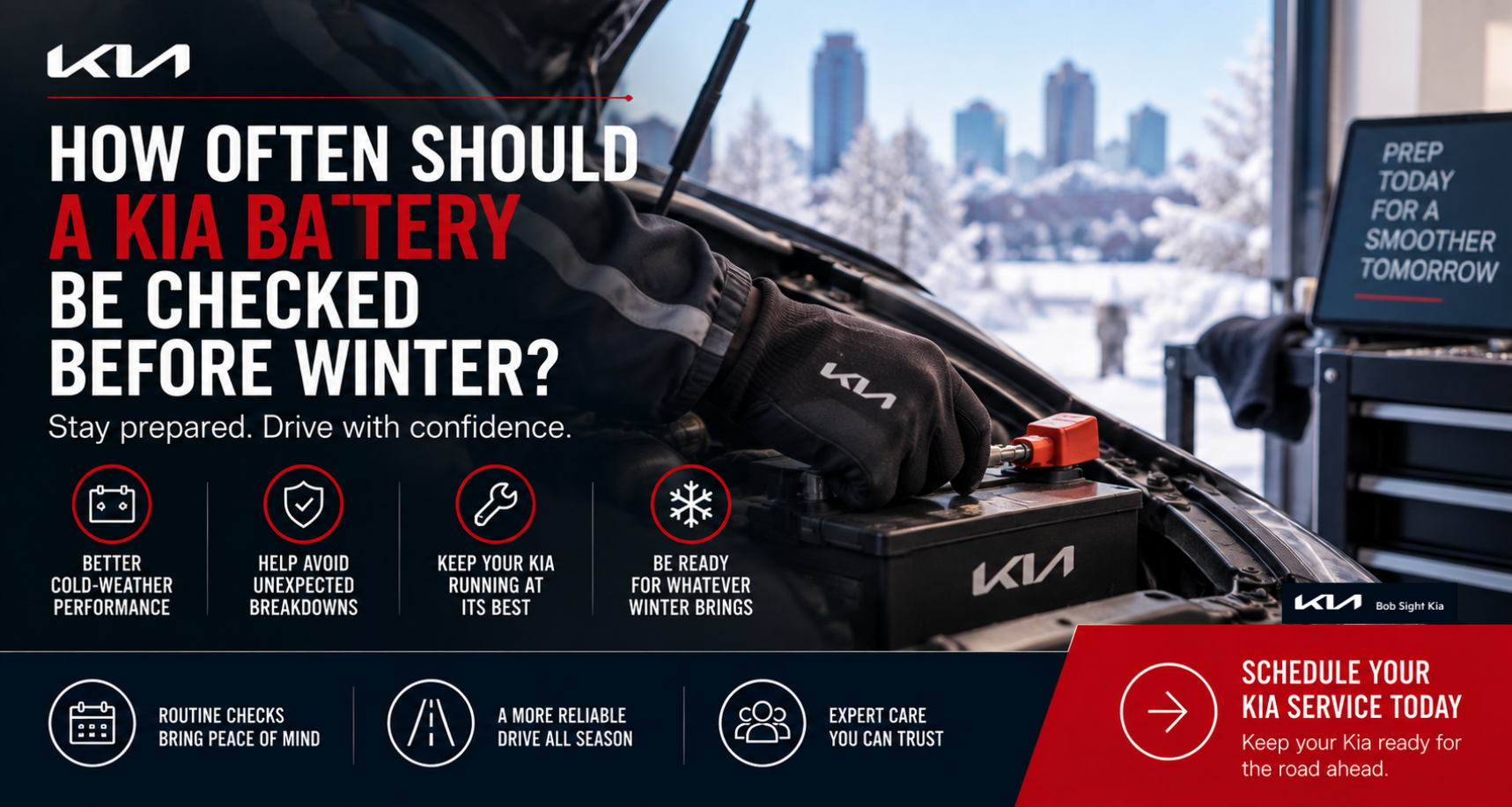
Certified Kia service technician testing 12-volt automotive battery health under hood in Independence MO

How to Tell if Your Kia Battery Is Weak Before First Kansas City Freeze

How to Tell if Your Kia Battery Is Weak Before the First Kansas City Freeze Cold mornings in Independence, Missouri, can make an aging car battery work harder than usual. If your Kia has been starting slowly, making clicking noises, or showing unusual electrical symptoms, it may be time to have the battery checked before winter temperatures arrive. Cold weather affects the amount of power a battery can deliver, while the engine may require more energy to start. A battery that performed normally throughout the summer can begin showing problems when temperatures drop. For drivers in Independence, Blue Springs, Lee's Summit, Raytown, and the greater Kansas City metro, recognizing these warning signs early can help reduce the chance of an unexpected no-start situation. At Bob Sight Kia, our service team helps local drivers maintain their vehicles throughout Missouri's changing seasons. Understanding how your battery works and when to request testing is a practical part of preparing your Kia for winter. Schedule Kia Battery Service at Bob Sight Kia What You'll Learn About Kia Battery Health How cold temperatures affect your Kia's 12-volt battery Common warning signs of a weak or discharged battery How short trips and driving habits affect battery performance What you can safely inspect at home Why choosing the correct replacement battery matters When to schedule professional battery and charging-system testing Why Cold Weather Can Make Your Kia Battery Struggle Cold weather slows the chemical reactions inside a conventional 12-volt lead-acid battery. As temperatures fall, the battery becomes less capable of delivering the electrical current needed to start the engine. According to AAA, freezing temperatures can significantly reduce a battery's available capacity. At the same time, colder engine oil can increase the amount of power needed to turn the engine over during startup. This combination creates additional strain on batteries that are already aging, undercharged, or experiencing internal wear. Why Battery Problems Often Appear After Summer Although winter is when many drivers discover battery problems, summer heat can contribute to the deterioration that causes them. High temperatures can accelerate internal corrosion and other chemical changes inside a lead-acid battery. Depending on the battery's construction, prolonged heat may also contribute to electrolyte loss. A battery weakened during a hot Kansas City summer may still provide enough power to start your Kia during mild fall weather. Once overnight temperatures begin approaching freezing, the reduced starting capacity becomes more noticeable. Cold weather does not automatically destroy a healthy battery. Instead, it can reveal weaknesses that were already developing. Five Warning Signs Your Kia Battery May Be Weak Battery problems do not always begin with a vehicle that refuses to start. Many drivers notice smaller changes in starting performance or electrical behavior first. 1. Your Kia Cranks More Slowly Than Normal One of the most recognizable signs of a weak battery is a slow engine crank. You may notice that the engine turns over more slowly than usual before starting. This can become more noticeable after your vehicle has been parked overnight during cold weather. Although a weak battery is one possible cause, starter problems, poor electrical connections, and other mechanical issues can produce similar symptoms. Testing helps identify the actual problem. 2. You Hear Clicking When Trying to Start the Engine A rapid clicking sound when attempting to start your Kia can indicate that the electrical system does not have enough available power to operate the starter properly. A discharged battery, corroded terminals, or loose electrical connections are possible causes. A single click without engine cranking can also point toward a starter-related problem. Rather than repeatedly attempting to start the vehicle, consider having the battery and starting system inspected. 3. Your Interior Lights or Electronics Behave Differently Low system voltage can sometimes cause unusual electrical behavior, including dim interior lights, unexpected infotainment resets, or other electronic interruptions during startup. However, these symptoms are not exclusive to battery problems. Wiring, charging-system, and individual component faults can also affect electrical performance. If several electrical symptoms begin appearing together, a professional inspection can help determine whether the battery is involved. 4. Your Battery or Charging-System Warning Light Appears The battery-shaped warning light on your dashboard generally relates to the vehicle's charging system. It does not automatically mean the battery itself needs replacement. If this warning light remains illuminated while driving, the alternator, charging controls, wiring, or another electrical component may not be functioning properly. A charging-system warning should be addressed promptly. If the system is not charging correctly, the vehicle may eventually lose electrical power or stop running. 5. Idle Stop and Go Stops Operating Some Kia vehicles are equipped with Idle Stop and Go technology, which can automatically shut off the engine during certain stops and restart it when needed. The system considers multiple operating conditions before activating. Battery state of charge is one factor, but cabin temperature demands, engine temperature, and other conditions can also affect operation. If Idle Stop and Go stops functioning along with slow starting or other electrical symptoms, battery testing may be worthwhile. How Short Trips Can Affect Your Kia Battery Frequent short drives can make it more difficult for a vehicle's charging system to replenish the energy used during engine startup. For example, drivers who primarily use their Kia for short trips around Independence, Raytown, or Sugar Creek may spend relatively little time driving between starts. The battery must provide power to start the engine, while the charging system works to restore that energy once the engine is running. When driving time is limited, the battery may not always return to a full state of charge. Repeated partial discharge can contribute to battery wear over time. Does Highway Driving Help Recharge a Weak Battery? Driving gives a properly functioning charging system an opportunity to replenish battery charge. However, there is no universal driving distance or time that guarantees a full recharge. Battery condition, temperature, electrical demand, and charging-system operation all affect how quickly a battery can recover. If your Kia frequently needs jump-starting or continues to crank slowly after normal driving, a longer trip is not a reliable solution. A battery test and charging-system inspection can help determine whether the battery needs charging, replacement, or further diagnosis. How to Check Your Kia Battery at Home You can look for several visible warning signs without performing complicated electrical testing. Before inspecting the battery, consult your Kia owner's manual for its location and any model-specific safety instructions. Not every Kia has a conventional 12-volt battery in the same location. Hybrid and electric models may have different battery arrangements and service procedures. Start With a Visual Inspection Park your Kia on level ground, switch the vehicle off, and engage the parking brake. Locate the 12-volt battery using your owner's manual. Look for visible damage, including cracks, swelling, or leaks. Check accessible terminals for corrosion or obvious connection problems without touching damaged components. If you notice damage, leaking fluid, or significant corrosion, arrange professional inspection rather than attempting repairs yourself. Do not attempt to open a sealed battery or handle leaking battery fluid. Battery electrolyte can be hazardous, and electrical connections should be serviced using appropriate safety procedures. Can You Test Battery Voltage With a Multimeter? A digital multimeter can provide useful information about the state of charge of a conventional 12-volt lead-acid battery when used correctly. After the battery has been at rest, a fully charged conventional lead-acid battery commonly measures approximately 12.6 volts or slightly higher, depending on its type and conditions. A substantially lower reading may indicate that the battery needs charging or further testing. However, voltage alone cannot confirm battery health. A battery can show a reasonable resting voltage while still being unable to deliver sufficient current during engine startup. For this reason, professional battery testing is more informative than relying on a single voltage measurement. Why Professional Kia Battery Testing Matters Professional battery testing helps determine whether a battery is simply undercharged or has lost enough performance to justify replacement. Depending on the vehicle and diagnostic equipment, a technician may evaluate battery voltage, state of charge, available starting performance, and the operation of the charging system. Testing can also help identify problems that resemble battery failure, including poor electrical connections or charging-system faults. Cold battery temperature can affect test results, so technicians may need to account for temperature and battery condition when evaluating performance. At Bob Sight Kia in Independence, drivers can schedule service to discuss starting problems, electrical concerns, or preventive winter battery maintenance. Schedule a Kia Battery Inspection AGM, EFB, and Conventional Batteries: Which Does Your Kia Need? Not every Kia uses the same type of 12-volt battery. The correct replacement depends on the vehicle's model, model year, engine or powertrain configuration, and original equipment requirements. Common automotive battery technologies include conventional flooded lead-acid batteries, Enhanced Flooded Batteries (EFB), and Absorbent Glass Mat (AGM) batteries. Conventional Flooded Lead-Acid Batteries Traditional flooded lead-acid batteries have been used in passenger vehicles for many years. They provide electrical energy for starting and other vehicle systems. Their suitability depends on the vehicle's electrical requirements and manufacturer specifications. Enhanced Flooded Batteries EFB batteries are designed to offer improved cycling performance compared with many conventional flooded batteries. They may be used in vehicles with increased electrical demands or certain engine stop-start systems. Absorbent Glass Mat Batteries AGM batteries use absorbent fiberglass separators to hold the electrolyte. They are designed to support demanding electrical applications and repeated charge-discharge cycles. Some Kia models may require AGM batteries, but AGM technology should not be assumed to be necessary for every Kia with Idle Stop and Go or every hybrid vehicle. Why Matching the Factory Battery Specification Matters When replacing a battery, the correct type, physical size, terminal configuration, and electrical ratings are important. Cold Cranking Amps (CCA) describe a battery's ability to provide starting current under standardized cold-temperature testing conditions. Reserve capacity is another specification that may be relevant to the vehicle's requirements. Installing a battery that does not meet the manufacturer's specifications can contribute to poor performance or compatibility problems. Consult your owner's manual or a qualified Kia service professional to identify the correct replacement battery for your vehicle. How Long Does a Kia Battery Usually Last in Missouri? Many conventional automotive 12-volt batteries last approximately three to five years, although actual service life varies. Battery quality, driving habits, climate, charging-system condition, and how often the vehicle is used can all affect longevity. In the Kansas City area, batteries experience both hot summer temperatures and freezing winter conditions. These seasonal changes can place additional demands on the battery over time. If your Kia's battery is approaching three years of service, periodic testing can provide useful information about its condition. An older battery does not automatically need replacement. Likewise, a newer battery can develop problems if it is repeatedly discharged or exposed to unfavorable conditions. Testing is the most practical way to make an informed replacement decision. How to Prepare Your Kia Battery for Winter Preparing for winter does not require complicated maintenance. A few preventive habits can help reduce unnecessary battery strain and make it easier to identify problems before cold weather arrives. Have an aging battery tested. If your battery is several years old or has shown starting problems, schedule an inspection before temperatures regularly fall below freezing. Limit unnecessary electrical use while parked. Avoid leaving interior lights or accessories operating for extended periods when the vehicle is off. Pay attention to starting behavior. Slow cranking, repeated clicking, or intermittent no-start conditions deserve attention. Address charging-system warnings promptly. A charging problem can leave the battery discharged even when the battery itself is in good condition. Consider a compatible battery maintainer for extended storage. If your Kia will remain parked for several weeks, consult the owner's manual about an appropriate maintenance charger and connection procedure. Follow your Kia maintenance recommendations. Proper engine oil, regular inspections, and timely repairs support reliable cold-weather operation. Parking in a garage may also help reduce exposure to very low temperatures. However, wind chill does not make an inanimate battery colder than the actual surrounding air temperature. Should You Replace Your Kia Battery Before Winter? Replacing a battery before winter may be appropriate if testing shows that it can no longer meet the vehicle's starting requirements. Replacement may also be necessary when a battery has visible damage, repeated failures, or internal deterioration confirmed through testing. However, replacing a battery solely because it is a certain age may not always be necessary. A professional inspection can help distinguish between an aging battery that remains serviceable and one that is likely to create starting problems. If the battery is healthy but frequently discharged, the underlying issue may involve driving habits, electrical draw, or the charging system. Other Winter Maintenance Items Worth Checking Your battery is only one part of preparing your Kia for Missouri winter driving. Before colder weather arrives, consider reviewing the condition of your tires, windshield wipers, engine oil, coolant, and other important maintenance items. Using the engine oil grade specified for your particular Kia helps support proper lubrication during cold starts. Tire pressure should also be checked regularly because pressure changes with temperature. Windshield wipers and washer fluid are important for maintaining visibility during snow, sleet, and freezing precipitation. Drivers commuting along Interstate 70, Highway 291, and other Kansas City-area roads can benefit from addressing these maintenance concerns before severe weather makes travel more difficult. For additional maintenance needs, visit the Bob Sight Kia Service Specials page to review available offers. Frequently Asked Questions About Kia Batteries Why does my Kia struggle to start when it's cold outside? Cold temperatures reduce the available starting performance of a conventional lead-acid battery while increasing the amount of power an engine may require to start. If the battery is aging, discharged, or experiencing internal wear, the reduced performance may become noticeable during freezing weather. However, starter problems, electrical connections, and other mechanical issues can also cause difficult starting. Testing is recommended when the problem continues. Does a clicking sound mean my Kia battery is dead? Not necessarily. Rapid clicking can occur when there is insufficient electrical power available to operate the starter properly. A weak or discharged battery is a common possibility, but poor cable connections and starter-related problems can produce similar symptoms. A battery and starting-system inspection can help identify the cause. Can I safely jump-start my Kia? Many conventional gasoline-powered Kia vehicles can be jump-started when the correct procedures are followed. However, jump-starting instructions vary by model and powertrain. Some hybrid and electric vehicles have special 12-volt battery procedures or designated jump-start terminals. Always consult your vehicle's owner's manual before attempting a jump-start. Never attempt to jump-start a battery that appears frozen, leaking, or physically damaged. If you are uncertain about the procedure, roadside assistance is a safer option. Will replacing my Kia battery reset my vehicle settings? Disconnecting a 12-volt battery can reset certain electronic settings on some vehicles. Depending on the Kia model and model year, this may affect clock settings, window functions, stored information, or other electronic features. Some vehicles also have battery replacement or initialization procedures that should be followed. Consult your owner's manual or a qualified service professional for instructions specific to your Kia. Can a completely discharged Kia battery freeze? Yes. A severely discharged conventional lead-acid battery can become more vulnerable to freezing because the electrolyte's composition changes as the battery loses charge. Freezing can damage internal components or the battery case. If you suspect a battery is frozen, do not attempt to charge or jump-start it. Have the battery inspected and follow appropriate safety procedures. How often should I have my Kia battery tested? Testing becomes increasingly useful as a battery ages or begins showing symptoms such as slow cranking, intermittent starting problems, or repeated discharge. Many drivers choose to include battery testing in their regular maintenance routine, particularly before winter. The appropriate testing interval depends on the battery's condition, age, and operating history. Can I replace my Kia battery myself? Battery replacement procedures vary by vehicle. Some conventional Kia models have relatively accessible 12-volt batteries, while others may require additional precautions, equipment, or initialization procedures. Hybrid and electric vehicles can have more specialized electrical systems. Before attempting replacement, consult the owner's manual and confirm the correct battery specification. Professional replacement is a practical option when the procedure is unfamiliar or the battery is difficult to access. Schedule Kia Battery Service in Independence, MO If your Kia has been slow to start, has needed repeated jump-starts, or is showing unusual electrical symptoms, having the battery checked before winter can help you understand what your vehicle needs. Bob Sight Kia serves drivers throughout Independence, Blue Springs, Lee's Summit, Raytown, Sugar Creek, Grain Valley, and the greater Kansas City metro. Our service department can assist with battery concerns and other maintenance needs to help you prepare for changing Missouri weather. Visit Bob Sight Kia at 1700 S Noland Road, Independence, MO 64055, or use our online scheduling tool to request a service appointment. Schedule Service at Bob Sight Kia Helpful Kia Service and Shopping Links Schedule Kia Service in Independence, MO View Kia Service Specials Browse New Kia Inventory Shop Used Vehicles at Bob Sight Kia Value Your Trade Explore the Bob Sight Auto Group Bob Sight Kia is part of the Bob Sight Auto Group, serving drivers across the Kansas City metro and northeast Kansas. Our dealership locations offer vehicle sales, service, and automotive resources for drivers throughout the region. Bob Sight Kia | Independence, MO Bob Sight Ford | Lee's Summit, MO Bob Sight Honda | Lawrence, KS Bob Sight CDJR | Lawrence, KS Trust Is Our Tradition.

Frustrated by morning low tire pressure alerts? Learn the science behind cold weather PSI drops and how to keep your Kia safe in Jackson County.

Why Your Kia Tire Pressure Drops Overnight During Missouri Winters

Why Your Kia Tire Pressure Drops Overnight During Missouri Winters If you have ever started your Kia on a cold Missouri morning and noticed the tire pressure warning light on your dashboard, you are not alone. Falling overnight temperatures can cause tire pressure to decrease, even when your tires do not have a puncture or other mechanical problem. For drivers in Independence, Blue Springs, Lee's Summit, Raytown, and the greater Kansas City metro, changing temperatures are a familiar part of fall and winter driving. A warm afternoon can quickly turn into a freezing night, leaving your tires with less pressure than they had the day before. Understanding why this happens, how your Kia's Tire Pressure Monitoring System (TPMS) works, and when to have your tires inspected can help you maintain proper inflation throughout the winter. At Bob Sight Kia in Independence, Missouri, our service department helps drivers with tire maintenance, inspections, and other seasonal vehicle care needs. Schedule Kia Tire Service in Independence, MO What You'll Learn About Winter Tire Pressure Why tire pressure decreases when temperatures fall How your Kia's tire pressure warning system works How to check and adjust tire pressure correctly When low pressure may indicate a puncture or slow leak How underinflation affects tire wear and vehicle handling What Kia AWD owners should know about tire maintenance When to schedule a professional tire inspection Why Does Tire Pressure Drop When It Gets Cold? Tire pressure changes with temperature because the gas inside a tire responds to changes in heat. As temperatures decrease, the gas molecules move more slowly, reducing the pressure they exert inside the tire. A commonly used automotive guideline is that tire pressure changes by approximately 1 PSI for every 10-degree Fahrenheit change in temperature. The actual change depends on the tire's starting pressure and other conditions. For example, if your Kia's tires measure 35 PSI during a 50-degree afternoon in Independence, a drop to 20 degrees overnight could lower the pressure by approximately 3 PSI. This does not necessarily mean air escaped from the tires. The pressure may have changed because the tires and the gas inside them became colder. Why Missouri Temperature Changes Make TPMS Warnings Common During fall and winter, the Kansas City metro can experience significant temperature differences between daytime and overnight conditions. These changes can affect tire pressure while your Kia is parked in a driveway, garage, or outdoor parking lot. If the tires were already slightly below their recommended cold inflation pressure, a sudden temperature drop may be enough to activate the dashboard warning light. Even when the warning disappears later in the day, checking the tires with an accurate pressure gauge remains important. How Your Kia Tire Pressure Monitoring System Works Your Kia's Tire Pressure Monitoring System is designed to alert you when tire pressure becomes significantly low. Depending on the model and model year, the system may use sensors that measure pressure at individual wheels. Some Kia vehicles also provide individual tire pressure readings through the instrument cluster. When the system detects pressure below its warning threshold, a yellow tire-shaped symbol with an exclamation point may illuminate on the dashboard. Federal TPMS requirements use a threshold based on pressure being 25 percent below the manufacturer's recommended cold inflation pressure or a specified minimum pressure, whichever is higher. The actual warning behavior can vary by vehicle and system design. Because TPMS is intended to warn drivers about significantly low pressure, it should not replace routine checks with a tire pressure gauge. Why Your TPMS Light May Turn Off After Driving As your Kia moves, normal tire flexing generates heat. This causes the gas inside the tires to warm, which can increase the measured pressure. If the pressure rises above the warning threshold, the TPMS light may turn off. However, this does not necessarily mean the tires have returned to the correct cold inflation pressure. Once the vehicle is parked and the tires cool again, pressure may decrease and the warning may return. The best solution is to check the pressure when the tires are cold and adjust it according to your Kia's recommended specifications. How to Check Your Kia Tire Pressure Correctly Checking tire pressure regularly is one of the simplest ways to maintain your tires and recognize potential problems before they become more serious. The National Highway Traffic Safety Administration recommends checking tire pressure at least once a month when the tires are cold. A tire is generally considered cold when the vehicle has not been driven for at least three hours. Always consult your owner's manual for model-specific instructions. Step 1: Find Your Kia's Recommended Tire Pressure Open the driver's door and locate the Tire and Loading Information label, typically found on the driver's doorjamb or nearby pillar. This label provides the manufacturer's recommended cold inflation pressure for your vehicle. The recommended pressure may differ between the front and rear tires, depending on the model. Do not use the maximum pressure molded into the tire sidewall as your normal inflation target. That number is not the same as the vehicle manufacturer's recommended operating pressure. Step 2: Measure Pressure With an Accurate Gauge Remove the valve stem cap and press a tire pressure gauge firmly against the valve. Read the pressure and compare it with the recommended cold PSI listed on your vehicle's tire information label. Repeat the process for each tire. If your Kia has a spare tire that requires inflation, check its pressure according to the owner's manual as well. Step 3: Add Air When Needed If a tire is below the recommended pressure, use an air compressor to add air gradually. Check the pressure again after adding air to avoid overinflation. If the tires are warm because you have already driven, follow the owner's manual guidance and recheck the pressure when the tires are cold. Do not release air from a warm tire simply because its pressure is higher than the cold inflation recommendation. Tire pressure normally increases as tires warm during driving. Step 4: Replace the Valve Stem Caps After checking the pressure, reinstall the valve stem caps. Valve caps help protect the valve opening from dirt, road debris, and moisture. Keeping the valves clean is a simple part of maintaining your tires during Missouri's winter months. Step 5: Check Whether the Warning Light Clears After correcting tire pressure, the TPMS warning may clear once the system recognizes the updated readings. Some Kia models may require driving for the system to update, while other vehicles have different procedures. Consult your Kia owner's manual rather than relying on a universal driving speed or reset time. If the warning remains illuminated after proper inflation, or if it flashes and then stays on, arrange a professional inspection. How to Tell the Difference Between Cold Weather Pressure Loss and a Tire Leak Cold temperatures can reduce pressure in all four tires, but a puncture or other mechanical problem can also cause pressure loss. One way to identify a possible issue is to compare the pressure readings across your tires. Signs of Normal Temperature-Related Pressure Changes Several tires show similar pressure reductions after a temperature drop. Pressure changes correspond with colder outdoor conditions. The tires maintain pressure after being adjusted to the recommended cold PSI. No visible damage or repeated pressure loss is present. These signs may suggest that the change is temperature-related, although they do not completely rule out a leak. Signs Your Kia May Have a Slow Tire Leak One tire repeatedly loses more pressure than the others. You need to add air to the same tire every few days. A nail, screw, or other object is visible in the tread. The tire has visible sidewall damage, bulging, or an unusual shape. Pressure continues decreasing even after proper inflation. Possible causes include tread punctures, valve problems, wheel damage, or leakage around the tire bead where the tire meets the wheel. Winter potholes and road debris around Independence and the Kansas City metro can contribute to these problems. If one tire consistently loses pressure, a professional inspection can help determine whether it can be repaired or needs replacement. Why Driving With Low Tire Pressure Can Be Dangerous Proper tire inflation supports vehicle handling, tire durability, and fuel efficiency. When a tire is underinflated, its sidewall can flex more than intended during driving. Excessive flexing can increase internal heat buildup and contribute to premature tire damage. Underinflation can also affect steering response, tire wear patterns, and vehicle stability. These concerns become more important during winter when drivers may already be dealing with snow, slush, ice, and reduced traction. Uneven Tire Wear Underinflated tires may experience increased wear near the outer shoulders of the tread. Over time, uneven wear can shorten the useful life of the tires and reduce their ability to perform as intended. Maintaining proper inflation helps support more consistent tread contact and wear. Changes in Handling and Braking Incorrect tire pressure can affect how a vehicle responds to steering and braking inputs. However, tire pressure is only one factor in winter traction. Tire condition, tread depth, tire design, road surface, and driving speed also play important roles. Proper inflation does not eliminate the risks associated with icy or snow-covered roads. Reduced Fuel Efficiency Underinflated tires can increase rolling resistance, which may require the vehicle to use more energy while driving. Maintaining the manufacturer's recommended pressure helps support efficient vehicle operation. For Kia drivers commuting between Independence, Blue Springs, and Kansas City, routine tire checks are a practical part of maintaining the vehicle throughout the year. Should You Add Extra Tire Pressure During Winter? In normal circumstances, the goal is to maintain the manufacturer's recommended cold tire pressure listed on your Kia's tire information placard. It is not necessary to automatically add several extra PSI simply because winter is approaching. If you check your tires outdoors after they have been parked long enough to cool, adjust them to the recommended cold inflation pressure. There is one important distinction: if you inflate tires inside a warm garage before driving into much colder outdoor temperatures, the pressure may decrease as the tires cool. Your owner's manual may provide guidance for accounting for that temperature difference. Avoid guessing at an extra inflation amount. Use the instructions appropriate for your vehicle and recheck the tires under cold outdoor conditions. Does Nitrogen Prevent Tire Pressure Drops in Winter? Some tire shops offer nitrogen inflation as an alternative to conventional compressed air. Nitrogen can reduce the rate of gradual pressure loss through tire materials under certain conditions. However, nitrogen-filled tires still experience pressure changes when temperatures rise or fall. Research from Consumer Reports has found that the practical difference in pressure retention between nitrogen and conventional air is relatively small for everyday passenger vehicle use. Regular compressed air is suitable for normal tire maintenance when used according to the vehicle manufacturer's recommendations. Whether your tires contain nitrogen or compressed air, you should continue checking their pressure regularly. Proper inflation matters more than the choice between these two inflation gases for most everyday Kia drivers. Kia All-Wheel Drive and Proper Tire Pressure If your Kia is equipped with all-wheel drive, maintaining the correct tire pressure and monitoring tread wear are important parts of routine maintenance. Models such as the Kia Sportage AWD and Sorento AWD use systems that distribute driving power based on vehicle operating conditions. Incorrect tire pressure can affect tire rolling characteristics and vehicle handling. Significant differences in tire size or tread wear may also create concerns for certain AWD systems. However, minor tire pressure differences do not automatically mean the AWD system will engage incorrectly or experience mechanical damage. The most practical approach is to follow the recommended cold inflation pressures for each axle and maintain tires according to the vehicle manufacturer's instructions. Why Tire Rotation Matters for AWD Kia Vehicles Regular tire rotation helps distribute wear across the tires. Depending on driving conditions and vehicle design, front and rear tires may wear at different rates. Rotating the tires at the intervals specified in your Kia maintenance schedule can help promote more even tread wear. The correct rotation pattern and service interval may vary by model, tire configuration, and drivetrain. If you are unsure when your tires were last rotated, a service appointment is a good opportunity to review their condition. How Often Should You Check Tire Pressure During Missouri Winters? NHTSA recommends checking tire pressure at least once a month. During periods of significant temperature changes, checking more frequently can help you identify pressure reductions before the dashboard warning activates. Consider checking your tires after a substantial overnight temperature drop, before a longer road trip, or whenever the TPMS warning appears. A reliable tire pressure gauge is a useful item to keep in your vehicle. Even if your Kia displays individual tire pressure readings, checking the tires with a gauge provides an additional way to monitor inflation. Don't Forget Tire Tread Depth Before Winter Tire pressure is important, but it is not the only factor affecting winter driving performance. Tread depth plays a major role in how effectively tires move water and slush away from the contact area. As tires wear, their ability to maintain traction in wet and snowy conditions can decline. The federal minimum tread depth for many passenger vehicle tires is 2/32 of an inch. However, winter traction can become less effective before tires reach that minimum. Drivers who frequently encounter snow or slush may benefit from discussing tire replacement before tread depth becomes critically low. Also inspect tires for cracking, bulges, uneven wear, and other visible damage. A professional tire inspection can help you understand whether your current tires are suitable for the conditions you expect to encounter. Frequently Asked Questions About Kia Tire Pressure in Winter Why does my Kia tire pressure light come on every cold morning? Cold overnight temperatures can reduce the pressure inside your tires. If the tires were already near the TPMS warning threshold, a temperature drop may cause the warning light to illuminate. Check all tires when cold and inflate them to the recommended pressure listed on the driver's doorjamb label. If the warning continues returning after proper inflation, have the tires inspected for leaks or other problems. Why does my tire pressure light turn off after driving? As your tires warm during driving, the internal pressure can increase. That increase may cause the warning light to turn off if the pressure rises above the system's warning threshold. However, the tires may still be underinflated when cold. Check and adjust their cold pressure rather than relying on the warning light disappearing. Can I drive my Kia with the low tire pressure light on? A low tire pressure warning should be addressed promptly. If the tire is visibly flat, severely underinflated, damaged, or causing unusual vehicle handling, do not continue driving. Stop in a safe location and arrange appropriate assistance. If the tires appear normal, check their pressure as soon as it is safe to do so. Do not assume that a tire is safe simply because it does not look flat. Whether continued driving is appropriate depends on the actual pressure, tire condition, and vehicle behavior. Should all four Kia tires have the same PSI? Not necessarily. Some vehicles have different recommended pressures for front and rear tires. Always follow the specifications listed on your Kia's Tire and Loading Information label. Do not assume that every Kia model uses the same pressure or that all four tires must always have identical readings. Why does only one of my Kia tires keep losing air? If one tire repeatedly loses pressure while the others remain stable, a slow leak may be present. Possible causes include a puncture, valve stem issue, wheel damage, or leakage around the tire bead. Have the tire inspected to determine whether it can be repaired safely. Does nitrogen keep Kia tires from losing pressure in cold weather? No. Nitrogen-filled tires still experience temperature-related pressure changes. Nitrogen may reduce gradual pressure loss through tire materials, but it does not eliminate the need for regular inflation checks. Conventional compressed air is suitable for normal tire maintenance when used correctly. How long should I drive to reset my Kia TPMS light? The procedure depends on the Kia model and model year. Some systems recognize corrected pressure after driving, while others may require different steps. Consult your owner's manual for the correct procedure. If the warning remains active after proper inflation, schedule a tire or TPMS inspection. Can potholes cause slow tire leaks? Yes. Hitting a pothole can damage a tire, wheel, or the sealing area between the tire and wheel. Damage may result in immediate pressure loss or a slower leak that becomes noticeable over time. If your Kia begins losing pressure after hitting a pothole, have the affected tire and wheel inspected. Schedule Kia Tire Service in Independence, MO Cold weather tire pressure changes are common throughout Missouri, but recurring warnings should not be ignored. Checking your tires regularly, following the recommended cold inflation pressure, and addressing possible leaks can help maintain your Kia's tire condition throughout winter. Bob Sight Kia serves drivers from Independence, Blue Springs, Lee's Summit, Raytown, Sugar Creek, Grain Valley, and the greater Kansas City metro. If your Kia's TPMS warning keeps returning, one tire repeatedly loses pressure, or you have questions about tire maintenance, our service department can help you determine the next steps. Visit Bob Sight Kia at 1700 S Noland Road, Independence, MO 64055, or schedule your service appointment online. Schedule Tire Service at Bob Sight Kia Helpful Kia Service and Shopping Links Schedule Kia Service in Independence, MO Explore Kia Service Specials Browse New Kia Inventory Shop Used Vehicles Value Your Trade at Bob Sight Kia Explore the Bob Sight Auto Group Bob Sight Kia is part of the Bob Sight Auto Group, serving drivers throughout the Kansas City metro and northeast Kansas with automotive sales and service resources. Bob Sight Kia | Independence, MO Bob Sight Ford | Lee's Summit, MO Bob Sight Honda | Lawrence, KS Bob Sight CDJR | Lawrence, KS Trust Is Our Tradition.

Know when Kia brake pads need replacement, common warning signs, and brake wear factors for Independence and Kansas City drivers.

When Should Kia Brake Pads Be Replaced? Warning Signs and Brake Wear for Independence Drivers

When Should Kia Brake Pads Be Replaced? Warning Signs and Brake Wear for Independence Drivers Kia brake pads should be replaced when they become worn enough that braking performance, rotor protection, or safe stopping can be affected, rather than according to one universal mileage interval. Driving habits, traffic conditions, vehicle weight, road conditions, and the type of driving you do around Independence and the Kansas City Metro can all influence how quickly brake pads wear. Drivers who spend a lot of time in stop-and-go traffic along I-70, US-40, or busy streets near Independence Center may use their brakes differently from someone whose routine involves longer stretches of highway driving. Regular brake inspections are therefore one of the best ways to determine when your Kia actually needs new brake pads. Schedule Kia brake service at Bob Sight Kia in Independence In This Guide You'll Learn This guide explains the warning signs of worn Kia brake pads, what affects brake wear, and how Independence drivers can decide when it is time to schedule a brake inspection. Why Kia brake pads do not have one universal replacement mileage Common warning signs that brake pads may be wearing out How brake pad thickness relates to replacement timing Why Kansas City traffic can affect brake wear How brake pads, rotors, calipers, and brake fluid work together What happens during a Kia brake inspection How to plan brake maintenance before longer trips or seasonal driving When Should Kia Brake Pads Be Replaced? Kia brake pads should generally be replaced based on their remaining friction material, braking behavior, and inspection results rather than automatically at a specific mileage. Brake pads are wear components, meaning they gradually lose friction material every time the brakes are applied. Two identical Kia vehicles can therefore require brake pad replacement at very different mileage depending on how they are driven. A driver commuting through frequent traffic lights and congestion in Independence may experience faster brake wear than someone who spends most of the week cruising at a steady speed. This is why mileage should be treated as a reminder to inspect the braking system rather than a guaranteed replacement schedule. A Kia with frequent city use, school drop-offs, short errands, or repeated stop-and-go driving may use its brake pads more aggressively. Highway driving generally requires fewer braking events, although sudden stops, heavy traffic, hills, and vehicle loading can still affect wear. Even the driver's habits matter because gradual braking usually generates different wear patterns than repeatedly braking hard at the last moment. The most reliable approach is to have brake pad thickness and the surrounding brake components inspected periodically. A technician can evaluate how much friction material remains, whether the inner and outer pads are wearing evenly, and whether the rotors show signs of scoring, excessive heat, or uneven contact. Caliper operation can also affect how quickly pads wear. If one pad is substantially more worn than another, the issue may involve more than simply installing a new set of pads. Independence drivers should also pay attention between scheduled maintenance visits. Changes in pedal feel, stopping behavior, brake noise, vibration, or warning lights deserve attention even if the vehicle has relatively low mileage. If something about braking suddenly feels different while driving near Noland Road, US-24, I-70, or anywhere else around Jackson County, scheduling a professional inspection is a better strategy than waiting for an assumed mileage milestone. What Are the Most Common Signs of Worn Kia Brake Pads? Common signs that Kia brake pads may need attention include squealing or grinding noises, increased stopping distance, brake pedal changes, vibration during braking, and visible brake wear warnings. Not every sound automatically means the brake pads must be replaced, but a noticeable change in how the braking system sounds or feels should not be ignored. Brakes are a safety-critical system, so unusual symptoms deserve inspection rather than guesswork. A high-pitched squeal during braking can occur when a wear indicator contacts the brake rotor or when certain operating conditions cause vibration between braking surfaces. Occasional noise can also result from moisture, road debris, temperature changes, or surface rust after the vehicle has been parked. The concern increases when squealing becomes persistent, occurs during most stops, or is accompanied by a change in braking performance. Grinding is more urgent because it can indicate that the friction material has worn significantly or that another braking component is contacting the rotor abnormally. Pedal feel also matters. If your Kia suddenly requires more pedal travel, feels unusually soft, feels harder than normal, or seems to require more effort to slow down, have the braking system inspected. A pulling sensation under braking can indicate uneven braking force, although tires, suspension components, alignment, or road conditions can sometimes produce similar sensations. Steering wheel or pedal vibration during braking may point toward rotor irregularities or other brake-system concerns rather than brake pads alone. Independence drivers should use the following warning signs as reasons to schedule an inspection: Listen for persistent squealing, scraping, or grinding when braking. Notice whether the vehicle seems to take longer to slow down. Pay attention to changes in brake pedal feel or travel. Watch for vibration through the steering wheel or brake pedal. Take brake or ABS warning lights seriously. Schedule an inspection if braking behavior changes suddenly or consistently. If you notice any of these symptoms during a commute through Blue Springs, Raytown, Lee's Summit, or Independence, avoid assuming the cause based on noise alone. A proper inspection can identify whether the issue involves brake pads, rotors, calipers, brake fluid, tires, or another component of the braking system. How Does Brake Pad Thickness Affect Replacement Timing? Brake pad thickness is one of the most useful measurements for determining brake wear because it shows how much friction material remains between the braking surface and the pad backing plate. New brake pads begin with substantially more friction material than worn pads, and that material gradually decreases as the vehicle is driven. A technician can measure remaining thickness during an inspection and use that information along with wear patterns and braking performance to determine whether replacement is needed. The friction material is the portion of the pad designed to press against the brake rotor when the brake pedal is applied. That contact creates friction, which converts the vehicle's motion into heat and slows the vehicle. As the friction material gets thinner, there is less usable material remaining before the pad reaches the end of its service life. Waiting until virtually no friction material remains can increase the risk of damaging the rotor and other components. Brake-pad replacement decisions should not rely on thickness alone, however. A pad may have some friction material remaining while still showing abnormal wear, cracking, contamination, glazing, or uneven contact. Inner and outer pads can also wear at different rates if a caliper slide, piston, or related component is not operating correctly. That is why visually checking only the outside pad through the wheel does not always provide a complete picture of brake condition. For drivers searching for Kia brake pad replacement in Independence, Missouri, the more useful question is not simply how many miles are on the vehicle. Ask how much usable pad material remains and whether the entire braking system is wearing evenly. A professional inspection at Bob Sight Kia can evaluate the pads alongside the rotors, calipers, hardware, and other components that influence braking performance. This creates a more complete maintenance decision than replacing parts according to mileage alone. Why Can Kansas City Driving Cause Brake Pads to Wear at Different Rates? Brake pad wear around the Kansas City Metro can vary significantly because stop-and-go traffic, short urban trips, hills, weather changes, and driving habits all change how often and how aggressively the brakes are used. A vehicle that repeatedly accelerates and stops through city traffic may accumulate brake wear differently from one covering the same number of miles on open highways. Mileage therefore tells only part of the brake-maintenance story. Consider two Kia owners who each drive 10,000 miles in a year. One spends much of that mileage commuting along relatively open highway routes, while the other makes repeated short trips through Independence, school zones, shopping areas, and busy intersections. The second vehicle may experience far more braking events even though both odometers increase by the same amount. Frequent deceleration creates repeated friction and heat cycles at the brake pads and rotors. Kansas City weather also adds variables. Rain can reduce road traction, winter moisture can contribute to surface corrosion on exposed braking components, and temperature swings can change how the vehicle behaves at the beginning of a drive. Road salt and winter debris can accumulate around suspension, wheel, and brake components. None of these conditions automatically means brake pads will fail early, but they make periodic visual inspections valuable for drivers who keep their vehicles through several Missouri seasons. Driving style plays a major role as well. Leaving more following distance allows a driver to slow gradually instead of applying the brakes heavily at the last moment. Anticipating traffic lights and congestion can reduce repeated hard stops. On a busy afternoon near the I-70 and I-470 corridors, simply allowing additional space ahead can reduce how often aggressive braking is required. These differences explain why a fixed mileage estimate cannot predict brake-pad life for every Kia in Independence. The best maintenance plan combines routine inspections with awareness of your actual driving conditions. Drivers who regularly face dense Kansas City traffic, frequent short trips, heavy passenger loads, or repeated urban stopping may want to pay closer attention to brake condition than drivers whose routes involve less braking. Brake Pads vs. Rotors: What Is the Difference? Brake pads are replaceable friction components that press against brake rotors, while the rotors are metal discs attached to the wheel hubs that provide the surface the pads clamp against to slow the vehicle. The two components work together every time you press the brake pedal. Understanding the difference can help Kia owners make sense of a brake inspection and understand why sometimes pads are replaced alone while other repairs may involve both pads and rotors. When the driver presses the brake pedal, hydraulic pressure helps the brake caliper move the brake pads toward the rotor. Friction between the pads and rotor slows wheel rotation and creates heat. The pads are designed to wear gradually as part of normal operation. Rotors are more durable, but they are also subject to wear and can develop scoring, thickness variation, heat spots, corrosion, or other surface problems over time. A worn brake pad does not automatically mean every rotor needs replacement. A technician should examine rotor condition and determine whether it remains serviceable. At the same time, continuing to drive after brake pads are excessively worn can damage a rotor that might otherwise have remained usable longer. This is one reason addressing brake-pad wear before grinding begins can help protect more of the braking system. Brake Component Primary Function What Technicians Check Brake Pads Create friction against the rotor Thickness, even wear, glazing, cracking, contamination Brake Rotors Provide the braking surface Surface condition, wear, scoring, heat damage, thickness Brake Calipers Apply the pads to the rotors Movement, leaks, piston operation, slide operation Brake Fluid Transfers hydraulic force through the system Condition, level, leaks, maintenance requirements For Kia owners in Independence, understanding these components can also make service recommendations easier to evaluate. If a brake inspection identifies worn pads plus rotor damage, ask which condition was observed and how it affects the repair recommendation. A brake service should be based on the condition of the system rather than automatically assuming every component needs replacement. What Happens During a Kia Brake Inspection? A Kia brake inspection should evaluate more than whether the vehicle still stops because technicians need to examine brake pad wear, rotor condition, caliper operation, brake-fluid concerns, and other components that affect braking performance. A vehicle can continue stopping while a component is beginning to wear abnormally. Identifying that wear before a severe symptom develops can make brake maintenance easier to plan. The inspection process often begins with the symptoms reported by the driver. If you hear a noise only during the first stop of the morning, only while turning, or only after highway driving, tell the technician. Details such as speed, weather, pedal feel, and whether the sound comes from the front or rear can help narrow down the concern. A vague description such as "the brakes sound weird" gives less diagnostic information than describing when and how the symptom occurs. A brake inspection may then include several steps: Review the driver's concern. Explain noises, vibration, pedal changes, or stopping differences you have noticed. Inspect brake pad condition. Remaining friction material and wear patterns can be evaluated. Check rotor surfaces. Rotors can be inspected for scoring, heat damage, corrosion, or other visible concerns. Inspect caliper operation and hardware. Uneven pad wear can sometimes point toward a problem with movement or contact. Check for leaks or fluid-related concerns. Hydraulic braking components should not be ignored during a comprehensive evaluation. Discuss findings before repairs. Ask what is worn, what requires attention now, and what can continue to be monitored. This process is useful whether your Kia is used primarily for commuting along I-70, family driving around Blue Springs, or short errands throughout Independence. It also allows technicians to distinguish normal brake wear from a symptom caused by another component. Drivers can schedule Kia service online when a brake inspection is needed. Should You Replace Kia Brake Pads Before They Start Grinding? Brake pads should ideally be inspected and replaced before persistent grinding develops because grinding can indicate that the friction material is severely worn or that metal components are contacting surfaces they should not. Waiting for grinding to become the replacement signal can increase the possibility of additional brake-system damage. Earlier inspection gives drivers more information and more time to plan appropriate service. A squeal and a grind are not the same sound. Squealing is generally higher-pitched and can have several possible causes, including brake wear indicators, vibration, moisture, or surface conditions. Grinding is typically harsher and should be treated more urgently. If braking suddenly sounds metallic or rough, continuing to drive extensively without inspection is not a good maintenance strategy. Rotor protection is one reason timing matters. Brake pads are designed as wear items, while rotors provide the braking surface the pads contact. When the pad's usable friction material becomes excessively thin, the relationship between those components changes. Addressing brake wear before severe contact develops can reduce the likelihood that a simple wear issue turns into a more extensive repair involving additional components. Drivers should also remember that brake symptoms do not always develop in a predictable order. One vehicle may produce noticeable noise while another may show changes in braking feel first. Some drivers may notice no dramatic warning until an inspection reveals significant wear. Relying exclusively on sound therefore is not a substitute for periodic inspection. If your Kia begins grinding while traveling near Independence Center, along Noland Road, or elsewhere in the Kansas City Metro, arrange for the braking system to be evaluated promptly. If the vehicle's braking performance feels significantly reduced or unsafe, avoid continuing to drive it. Safety should take priority over trying to reach a preferred service destination under uncertain braking conditions. How Can Kia Owners Help Reduce Unnecessary Brake Wear? Kia owners can help reduce unnecessary brake wear by maintaining appropriate following distance, anticipating traffic, avoiding repeated aggressive stops, and keeping the vehicle's braking and tire systems properly maintained. Brake pads will always wear because friction is required to stop the vehicle, but driving technique can influence how quickly that wear occurs. Smooth, predictable braking can also make everyday driving more comfortable for passengers. Following distance is one of the simplest factors drivers can control. When you leave adequate space between your Kia and the vehicle ahead, you have more time to slow gradually instead of braking sharply. This can be useful during rush-hour traffic on I-70 or when approaching congestion near busy Independence shopping corridors. Constantly accelerating toward stopped traffic and then braking heavily creates more frequent heat cycles than anticipating the slowdown earlier. Vehicle loading matters as well. A Kia carrying several passengers and a full cargo area requires the braking system to manage more mass than the same vehicle with only the driver aboard. This does not mean families should avoid using their Kia's passenger or cargo capacity. It simply means drivers should account for increased weight by allowing additional following distance and braking smoothly. Tires also affect the overall stopping process. Even perfectly maintained brakes depend on the tires to maintain contact with the road. Proper inflation, adequate tread, and appropriate tire condition are therefore part of braking safety. During Missouri rain, winter precipitation, or cold weather, reduced road traction can increase stopping distance even when the brake system itself is operating normally. Routine inspection ties all of these habits together. Rather than trying to maximize brake-pad life at all costs, focus on predictable braking performance and appropriate maintenance. Brake pads are designed to wear. The goal is to identify normal wear at the right time, catch abnormal wear early, and maintain the entire braking system so it works consistently throughout everyday Kansas City driving. Quick Facts About Kia Brake Pad Replacement Kia brake-pad replacement timing depends primarily on actual wear and brake condition rather than one fixed mileage number for every vehicle. Drivers can make better maintenance decisions by combining routine inspections with awareness of braking symptoms and everyday driving conditions. Brake pads are normal wear components and gradually lose friction material during use. There is no single universal replacement mileage that applies to every Kia and every driving pattern. Frequent city and stop-and-go driving can create more braking events than steady highway travel. Persistent squealing can justify inspection even if braking still feels normal. Grinding should be addressed promptly because it may indicate severe wear or abnormal contact. Brake-pad thickness is an important measurement, but technicians should also evaluate wear patterns. Uneven pad wear can indicate a concern involving calipers, hardware, or another component. Brake rotors and pads work together but do not automatically require replacement at the same time. Changes in pedal feel, stopping distance, vibration, or warning lights deserve professional evaluation. Tire condition and road traction also influence how effectively a vehicle can stop. For Independence drivers, these facts are more useful than choosing an arbitrary replacement interval. A Kia used daily in traffic around Jackson County may experience a very different brake-wear pattern from one driven primarily on longer highway trips. Inspection allows maintenance decisions to be based on the actual vehicle instead of a generic estimate. Ownership Planning for Kia Brake Maintenance in Independence The best long-term brake-maintenance strategy is to include brake inspections in your overall Kia ownership plan instead of waiting until severe noise or reduced braking performance appears. Brake pads are easier to monitor when their condition is checked periodically alongside other routine vehicle maintenance. This can also help drivers understand whether wear is progressing normally or whether one wheel is wearing differently from the others. Seasonal changes provide useful opportunities to think about braking condition. Before winter, drivers may already be checking tires, battery condition, wiper blades, and other systems affected by cold weather. Adding brake inspection to that maintenance conversation can be useful because winter roads increase the importance of predictable braking and healthy tires. Spring can also be a good time to look for corrosion or wear after months of exposure to moisture, road treatment, and fluctuating temperatures. Long trips deserve similar planning. If you are preparing to leave Independence for a road trip and the vehicle has developed brake noise, vibration, or another symptom, addressing it before departure is more useful than hoping the issue remains unchanged for hundreds of miles. Heavy luggage and additional passengers can increase vehicle weight, while unfamiliar routes may involve hills, congestion, or repeated braking. Keep maintenance records as well. Knowing when brake pads, rotors, tires, and brake fluid were previously inspected or serviced provides useful context at future appointments. Documentation can make it easier to identify how quickly components are wearing and whether a pattern has changed over time. Bob Sight Kia owners can also review available service and parts specials when planning maintenance. Brake service should still be based on the actual condition of the vehicle, but organizing maintenance ahead of time can make ownership more predictable. The goal is not to replace brake pads early without reason. It is to know their condition before they become an urgent repair. Frequently Asked Questions About Kia Brake Pad Replacement How many miles do Kia brake pads usually last? There is no single mileage at which every Kia needs brake-pad replacement because brake wear depends heavily on driving conditions and vehicle use. Two Kia vehicles with similar mileage can have significantly different remaining brake-pad material. Stop-and-go driving, aggressive braking, traffic density, passenger and cargo weight, road conditions, and individual driving habits all influence wear. Mileage is still useful as maintenance context. If a vehicle has accumulated substantial mileage since its last brake inspection, it makes sense to have pad condition checked even if no obvious symptom has appeared. The inspection provides actual information about remaining friction material and wear patterns rather than relying on a generalized mileage estimate. Independence drivers who spend considerable time navigating traffic lights, school zones, shopping districts, and Kansas City congestion may experience a different wear pattern from drivers who primarily use open highway routes. Ask for the condition of the pads to be evaluated during routine service so you can track wear over time. Why are my Kia brakes squeaking if the pads are not worn out? Brake squeaking can occur for reasons other than worn-out pads, including moisture, light surface corrosion, brake dust, vibration, temperature changes, or characteristics of the pad and rotor surfaces. Noise alone does not prove that brake pads need replacement. Persistent or worsening noise should still be inspected because wear indicators or other brake conditions can also cause squealing. For example, a Kia parked outside overnight may develop light surface oxidation on the brake rotors after rain or humid weather. The first few stops may make noise as the pads clean that surface. A brief morning squeak that disappears can therefore be different from a sound that occurs every time the brake pedal is applied. Missouri's changing weather can make occasional brake noise more noticeable, but drivers should not dismiss persistent symptoms as weather-related without inspection. If squealing continues during normal driving around Independence or Blue Springs, schedule a brake evaluation so the source can be identified. Do Kia brake pads and rotors need to be replaced together? Brake pads and rotors do not automatically have to be replaced together because each component should be evaluated based on its condition and service requirements. Pads are designed to wear as friction material is consumed. Rotors are also subject to wear, but their replacement needs depend on factors such as thickness, surface condition, heat damage, scoring, and manufacturer specifications. If brake pads are replaced while the rotors remain in appropriate condition, the technician may determine that rotor replacement is unnecessary. In other cases, damaged or excessively worn rotors may need attention at the same time as the pads. The correct approach depends on inspection findings rather than a blanket rule. When discussing Kia brake service in Independence, ask what the technician observed on both the pads and rotors. Understanding which component is worn and why a particular repair is recommended helps drivers make better-informed maintenance decisions. Can I keep driving if my Kia brakes are grinding? Persistent grinding should be treated as a reason for prompt brake-system inspection rather than something to continue driving on indefinitely. Grinding can indicate severe brake-pad wear or another condition involving abnormal contact within the braking system. Continuing to drive may increase damage and can affect braking performance. If the vehicle still appears to stop, that does not confirm that the braking system is in good condition. Braking components can deteriorate while the vehicle retains some stopping capability. Waiting for braking performance to become dramatically worse is not a safe maintenance strategy. If grinding is accompanied by significantly reduced stopping ability, a brake warning light, unusual pedal behavior, or another serious symptom while driving in the Kansas City Metro, prioritize safety. Avoid continuing to operate a vehicle that does not feel safe to stop and have the condition properly evaluated. Where can I schedule Kia brake service near Kansas City? Drivers can schedule Kia brake service at Bob Sight Kia in Independence, Missouri, serving Kia owners throughout eastern Jackson County and the Kansas City Metro. An inspection can help determine whether the pads are worn, whether the rotors need attention, and whether another braking component is responsible for a noise or performance concern. Before your appointment, note when the symptom occurs. Tell the service team whether you hear the noise during light braking, hard braking, the first stop of the day, highway driving, or every stop. Also mention vibration, pulling, pedal changes, or warning lights. These details can make the diagnostic process more efficient. Drivers from Blue Springs, Raytown, Grain Valley, Lee's Summit, Liberty, and surrounding communities can use the Bob Sight Kia online service scheduler to request an appointment. Brake service should be based on the condition of your specific vehicle rather than a generic replacement schedule. Schedule Kia Brake Service in Independence, Missouri If your Kia is squealing, grinding, vibrating, taking longer to stop, or showing another change in braking behavior, a professional brake inspection can identify whether the pads or another component need attention. Brake-pad replacement is most effective when it is based on actual wear rather than waiting for a severe symptom or following a mileage estimate that may not match your driving habits. Driving conditions around Independence and the Kansas City Metro can place very different demands on braking systems. Frequent traffic along I-70, short trips through eastern Jackson County, school pickups, crowded shopping areas, and changing Missouri weather all create different braking patterns. Understanding those patterns helps drivers recognize why their vehicle may require brake service sooner or later than another Kia with similar mileage. Bob Sight Kia in Independence can inspect brake-pad condition, rotor surfaces, calipers, and related components to help determine what your Kia actually needs. Routine inspection also gives owners an opportunity to track wear before braking symptoms become disruptive. Whether you commute from Blue Springs, drive into Kansas City, or spend most of your time close to home in Independence, maintaining predictable braking performance should remain part of your long-term ownership plan. Helpful Links Schedule Kia Service Kia Service and Parts Specials Kia Parts Department Bob Sight Kia Explore New Kia Vehicles Proud to Be Part of the Bob Sight Auto Group Bob Sight Kia in Independence is proud to be part of the Bob Sight Auto Group, serving drivers throughout the Kansas City Metro with vehicle sales, service, parts, and collision support. Whether you are maintaining your current Kia, researching your next vehicle, or looking for automotive resources close to home, the Bob Sight Auto Group serves communities throughout the greater Kansas City and Lawrence areas with a long-standing commitment to local drivers. Trust Is Our Tradition. Bob Sight Honda Bob Sight CDJR Bob Sight Ford Bob Sight Kia Bob Sight Collision Center

Kia service technician inspecting tire tread at Bob Sight Kia in Independence, Missouri

Kia Tire Service Guide for Independence, MO Drivers

Kia Tire Service Guide for Independence, MO Drivers Your Kia’s tires affect nearly every drive through Independence and the Kansas City Metro. They influence steering response, braking, ride comfort, traction, fuel efficiency, and how confidently your vehicle handles changing Missouri weather. Routine Kia tire service can also help tires wear more evenly and reduce the chance that preventable damage interrupts your commute. Drivers searching for Kia tire service near me can visit Bob Sight Kia in Independence, Missouri, for tire inspections, rotations, balancing, alignment service, and replacement guidance. Our service center is located at 1700 South Noland Road and serves Kia owners from Independence, Blue Springs, Lee’s Summit, Raytown, Grain Valley, Sugar Creek, Liberty, Oak Grove, and communities across Jackson County. This guide explains when to schedule tire service, how to check your tires at home, what common wear patterns mean, and how Missouri driving conditions can affect tire performance. Why Is Routine Kia Tire Service Important? Routine Kia tire service supports safer handling, more predictable braking, a smoother ride, and longer-lasting tires. Tires are your vehicle’s direct point of contact with the road. When tire pressure, tread depth, balance, or alignment is incorrect, the vehicle may not respond as designed. Regular tire maintenance gives a technician an opportunity to identify wear before it becomes a more expensive or inconvenient problem. A simple inspection may uncover low pressure, a puncture, sidewall damage, uneven tread, or an alignment concern. Addressing these issues early can help protect the tire and other related components. Properly maintained tires can support: More consistent traction on dry and wet roads Predictable steering and braking response More even tread wear Reduced vibration at highway speeds Better ride quality Improved fuel efficiency Longer useful tire life Tire condition becomes even more important during heavy rain, summer heat, freezing temperatures, and sudden winter weather. Independence drivers regularly encounter all of these conditions throughout the year. Routine tire care also provides a chance to review how your tires are wearing relative to your driving habits. Frequent stop-and-go traffic, highway commuting, potholes, construction areas, and heavily loaded trips may all affect tire life. How Often Should Kia Tires Be Rotated? Kia owners should follow the tire rotation interval listed in the maintenance schedule for their exact model, year, powertrain, and tire configuration. Many drivers coordinate tire rotations with scheduled maintenance visits, but the correct interval should always come from the vehicle’s owner’s manual. Tire rotation changes each tire’s position on the vehicle. Front and rear tires often perform different jobs and may wear at different rates. On many vehicles, the front tires handle a larger share of steering and braking forces. Rotating the tires according to the recommended pattern can help distribute wear more evenly. The proper rotation pattern may depend on: Front-wheel drive, all-wheel drive, or rear-wheel drive Directional or non-directional tires Matching or staggered tire sizes Full-size spare tire availability Tire manufacturer instructions Vehicle-specific maintenance requirements Not every tire can be moved to every position. Directional tires, for example, are designed to rotate in a particular direction. Vehicles with different front and rear tire sizes may have additional restrictions. A Kia service technician can identify the proper pattern for your vehicle. You may need a tire inspection before the normal maintenance interval if you notice vibration, pulling, uneven wear, pressure loss, or unusual road noise. Tire service intervals should be treated as a baseline, not a reason to ignore a developing symptom. Owners can review vehicle-specific information through the official Kia owner’s manual resource or ask the service team at Bob Sight Kia for guidance. How Do You Check Tire Pressure Correctly? Check tire pressure when the tires are cold and use the pressure listed on the vehicle’s tire information label, not the number printed on the tire sidewall. The placard is commonly located on the driver’s doorjamb and lists the recommended cold inflation pressure for the original tire configuration. The pressure molded into a tire’s sidewall represents tire information and limits. It is not the normal inflation target for your particular Kia. Always use the vehicle manufacturer’s recommended pressure unless a qualified professional has provided configuration-specific instructions. Follow these steps to check tire pressure: Park the vehicle and allow the tires to cool. Locate the tire information placard on the driver’s doorjamb. Remove the valve cap from the first tire. Press a reliable tire pressure gauge firmly onto the valve stem. Compare the reading with the recommended cold pressure. Add air if the pressure is low. Release a small amount of air if the pressure is too high. Recheck the tire to confirm the final reading. Replace the valve cap and repeat the process on the remaining tires. Check the spare tire if your Kia includes one. The National Highway Traffic Safety Administration recommends checking tire pressure regularly, including before longer trips. A monthly check is a useful habit because tires can gradually lose air even when no obvious puncture is present. Temperature changes also affect tire pressure. A noticeable drop in outdoor temperature may cause the tire pressure monitoring system light to appear. Adding air based on the vehicle placard can correct normal seasonal pressure loss, but a tire that repeatedly loses air should be inspected for a puncture, valve issue, wheel damage, or sealing problem. Do not rely only on appearance. A tire may be underinflated without looking visibly low. A pressure gauge provides a much more reliable assessment. What Do Common Kia Tire Wear Patterns Mean? Uneven tire wear can point to pressure problems, alignment concerns, balance issues, worn suspension components, or delayed rotations. The location and shape of the wear provide useful clues, but a professional inspection is the best way to determine the cause. Wear Along Both Outer Edges Wear on both shoulders of a tire can be associated with underinflation. Driving while a tire is underinflated may cause the outer portions of the tread to carry more of the load. It can also increase heat buildup and rolling resistance. Wear Through the Center Excessive center tread wear may be linked to overinflation. When a tire carries too much pressure, the center of the tread may make greater contact with the road than the shoulders. Wear on One Edge Heavy wear on the inner or outer edge may indicate an alignment or suspension concern. A vehicle that pulls to one side or has an off-center steering wheel should be inspected. Cupping or Scalloped Wear Alternating high and low areas around the tread may be associated with balance problems, worn suspension parts, or another condition that allows the tire to move irregularly against the road. Flat Spots A localized flat area can develop after hard braking, prolonged storage, or certain tire and suspension conditions. Some temporary flat spotting may improve as the tire warms, while persistent vibration requires attention. Rapid Wear on One or Two Tires If one tire is wearing much faster than the others, do not assume rotation alone will solve the problem. A technician should check inflation, alignment, balance, suspension condition, and tire damage. Drivers can perform a quick visual check at home, but tread wear should be evaluated across the full width and circumference of each tire. Inner-edge wear may be difficult to see without the vehicle being lifted. When Does a Kia Need Wheel Alignment Service? Your Kia may need an alignment inspection when it pulls, the steering wheel sits off-center, or the tires develop uneven edge wear. Wheel alignment refers to the angles at which the wheels meet the road. Those angles help the tires track correctly and maintain consistent contact with the pavement. Alignment can change after hitting a pothole, striking a curb, driving through road construction, or encountering other impacts. Normal wear in steering and suspension components can also contribute to alignment changes over time. Common signs of a potential alignment problem include: The vehicle pulls left or right on a reasonably level road The steering wheel appears crooked while driving straight One tire edge wears faster than the other The vehicle feels less stable than normal Steering response has changed New tires begin wearing unevenly A vehicle may still need an alignment even if the driver does not feel a strong pull. Small changes can appear first as unusual tread wear. That is one reason tire inspections are useful during routine maintenance. An alignment is different from tire balancing. Alignment adjusts wheel angles, while balancing addresses weight distribution around the tire and wheel assembly. A Kia can need one service without needing the other, or it may benefit from both. Independence and Kansas City-area roads can be challenging after winter freeze-and-thaw cycles. Potholes along local streets or major routes such as I-70, I-435, Missouri Route 291, and U.S. Route 40 may place additional stress on tires, wheels, and suspension components. What Is Tire Balancing and When Is It Needed? Tire balancing helps the wheel and tire assembly rotate evenly and can reduce vibration, irregular wear, and stress on related components. During balancing service, a technician measures weight distribution and installs small wheel weights where needed. A tire and wheel assembly can become imbalanced as the tire wears. Balance can also change after tire installation, wheel repairs, impact damage, or the loss of a wheel weight. Possible signs of an imbalance include: Steering wheel vibration at certain speeds Vibration felt through the seat or floor Uneven or cupped tread wear A change in ride smoothness Vibration that becomes more noticeable on the highway Vibration has several possible causes, so balancing should not be treated as an automatic diagnosis. Tire damage, bent wheels, alignment concerns, suspension wear, debris buildup, and drivetrain issues can create similar symptoms. If your Kia begins vibrating after hitting a pothole or road hazard, safely reduce speed and arrange an inspection. A hard impact can damage more than balance. It may affect the tire structure, wheel, alignment, or suspension. Balancing is commonly performed when new tires are installed. It may also be recommended when a tire is repaired and remounted or when symptoms indicate that the assembly no longer rotates smoothly. When Should Kia Tires Be Replaced? Kia tires should be replaced when tread is worn to an unsafe or legally insufficient level, damage cannot be safely repaired, age has become a concern, or the tires no longer meet the vehicle’s needs. Tire replacement should be based on condition, age, performance, and professional evaluation rather than mileage alone. Replacement may be necessary when you find: Tread worn to the built-in wear indicators Cracks, cuts, bulges, bubbles, or exposed material A puncture outside a repairable tread area Repeated air loss Uneven wear that has significantly reduced usable tread Damage caused by driving while underinflated Age-related deterioration Persistent vibration linked to tire damage Treadwear indicators are raised bars located within the tread grooves. When the surrounding tread wears level with these bars, replacement is needed. Drivers should not wait for completely smooth tread. Wet-weather and winter traction can decline before the tire reaches its final wear limit. Tire age matters because rubber and internal materials change over time. The Department of Transportation identification code on the sidewall includes the tire’s production date. The final four digits identify the week and year of manufacture. For example, a code ending in 2425 indicates production during the 24th week of 2025. Age guidelines can vary by manufacturer, tire design, vehicle use, storage, climate, and condition. Ask a qualified technician to evaluate older tires rather than relying on appearance alone. If only one or two tires require replacement, the correct placement and compatibility depend on the vehicle and drivetrain. All-wheel-drive Kia models may have limits on acceptable tread-depth differences because the tires work together as part of the drivetrain. Consult the owner’s manual and a Kia service professional before mixing tires with substantially different wear levels. Are All-Season Tires Enough for Independence, Missouri? Quality all-season tires meet the needs of many Independence drivers, but all-weather or winter tires may provide added cold-weather capability for certain driving routines. The best choice depends on road conditions, commute timing, driving frequency, and whether you can delay travel during severe weather. All-season tires are designed to provide balanced performance in a range of conditions. They are a common choice for drivers who travel mainly on treated city streets and highways. However, their snow and ice performance varies by model. All-weather tires generally provide stronger winter capability than traditional all-season designs while remaining suitable for year-round use. Tires carrying the three-peak mountain snowflake symbol meet a specific performance standard for severe snow conditions. Dedicated winter tires use tread compounds and patterns designed for cold temperatures, snow, and ice. They may be worthwhile for: Drivers who must commute before roads are cleared Healthcare, public safety, and other essential workers Households that frequently travel on untreated roads Drivers who make regular winter trips outside the metro Owners who want the strongest available cold-weather traction All-wheel drive can help a vehicle accelerate in low-traction conditions, but it does not replace appropriate tires. Braking and cornering still depend heavily on tire grip. A front-wheel-drive vehicle with suitable winter tires may provide more controlled stopping than an all-wheel-drive vehicle on worn or unsuitable tires. Missouri drivers should also consider rain performance. Adequate tread helps move water away from the tire’s contact area. Worn tread can increase the risk of hydroplaning, making routine inspections valuable throughout the year rather than only before winter. How Can Independence Drivers Help Their Tires Last Longer? Maintaining correct pressure, scheduling rotations, correcting alignment problems, and avoiding unnecessary impacts can help extend tire life. Tire longevity depends on many factors, but consistent maintenance gives each tire a better opportunity to wear evenly. Use this tire-care routine: Check tire pressure at least monthly and before long trips. Use the cold pressure listed on the vehicle placard. Inspect the tread and sidewalls for visible damage. Schedule rotations according to the vehicle maintenance schedule. Investigate pulling, vibration, or steering changes promptly. Have alignment checked when uneven wear appears. Avoid striking curbs and slow down for unavoidable road hazards. Do not exceed the vehicle’s load rating. Keep service records for rotations, alignments, and repairs. Arrange seasonal inspections before demanding travel periods. Driving style can also influence tire life. Hard acceleration, abrupt braking, aggressive cornering, and high-speed impacts create additional stress and heat. Smooth inputs generally support more even wear. Vehicle loading matters as well. Carrying excessive weight can increase tire stress and change handling. Consult the tire and loading label or owner’s manual before carrying a heavy load or towing. Do not ignore a pressure warning light after adding air. If the same tire loses pressure again, it needs an inspection. Continuing to drive on an underinflated tire can create heat and internal damage that may not be visible from outside. Can a Punctured Kia Tire Be Repaired? Some punctures in the main tread area can be repaired, but sidewall damage, shoulder punctures, large holes, and tires driven while severely underinflated may require replacement. A technician must remove and inspect the tire to determine whether a safe repair is possible. A proper evaluation considers: The location of the puncture The size and angle of the damage Whether the tire was driven while low or flat Internal liner and structural condition Existing repairs Tread depth and overall tire age An external plug alone does not allow a technician to inspect the inside of the tire. Industry-accepted repair procedures commonly involve removing the tire from the wheel, inspecting it internally, and sealing both the injury channel and inner liner when the damage qualifies. If a tire suddenly loses pressure while driving: Hold the steering wheel firmly. Avoid abrupt braking or sharp steering. Reduce speed gradually. Move to a safe location away from traffic. Activate the hazard lights. Use roadside assistance if changing the tire would be unsafe. Have the damaged tire professionally inspected. Never crawl under a vehicle supported only by an emergency jack. Follow the vehicle owner’s manual for spare tire and lifting instructions. Why Choose Bob Sight Kia for Tire Service? Bob Sight Kia provides Kia-focused tire care, convenient online scheduling, and service guidance tailored to local driving conditions. Our service team can inspect your tires while considering how pressure, tread, balance, alignment, suspension condition, and driving habits work together. Available tire-related services may include: Tire inspections Tire rotations Wheel balancing Wheel alignment service Pressure checks and adjustments Tire pressure monitoring system evaluation Repairability assessments Replacement tire guidance Seasonal tire evaluations Using a Kia dealership for tire service can be convenient because technicians can evaluate the tires alongside the vehicle’s steering, suspension, braking, and electronic systems. The service department also has access to vehicle-specific information and manufacturer-informed procedures. Before booking, review the current Kia service and parts specials. Offers and eligibility can change, so read the current terms and confirm details with the dealership. Drivers can schedule Kia tire service online at a convenient time. When making the appointment, describe any pulling, vibration, pressure loss, noise, or recent road impact so the service team understands the concern. Frequently Asked Questions About Kia Tire Service Regular pressure checks, rotations, inspections, balancing, and alignment care form the foundation of Kia tire maintenance. The following answers address common questions from Independence-area drivers. How often should I check the tire pressure on my Kia? Checking tire pressure at least once a month and before longer trips is a practical routine. Measure pressure when the tires are cold and use the specification on the driver’s doorjamb label. If one tire repeatedly loses pressure, schedule an inspection rather than continuing to add air. How do I know if my Kia needs a tire rotation? Follow the maintenance schedule for your exact Kia model and year. You should also request an inspection if the front and rear tires appear to be wearing at different rates, you notice unusual road noise, or you are unsure when the last rotation was completed. What is the difference between balancing and alignment? Balancing corrects uneven weight distribution in a tire and wheel assembly. Alignment adjusts the angles at which the wheels meet the road. Vibration may suggest a balance issue, while pulling or one-sided tread wear may indicate an alignment concern, though a professional inspection is needed for an accurate diagnosis. Can all-wheel drive prevent tire slipping in winter? All-wheel drive can help a Kia accelerate when traction is limited, but it cannot replace suitable tires or careful driving. Turning and braking still depend on available tire grip. Adequate tread depth and a tire designed for the conditions remain important. Where can I get Kia tire service near me in Independence? Bob Sight Kia offers tire service at 1700 South Noland Road in Independence, Missouri. The dealership serves drivers from Blue Springs, Lee’s Summit, Raytown, Grain Valley, Sugar Creek, Liberty, Oak Grove, Jackson County, and the Greater Kansas City Metro. Schedule Kia Tire Service in Independence, MO Schedule tire service when your Kia needs a rotation, pressure check, balance, alignment inspection, repair assessment, or replacement tires. Taking action when symptoms first appear can help protect tire life and maintain predictable vehicle performance. Bob Sight Kia is conveniently located on South Noland Road near I-70 and is accessible to drivers throughout eastern Jackson County. Whether you drive a Kia Sportage, Sorento, Telluride, Seltos, Carnival, K4, K5, Niro, EV6, or EV9, our team can help you understand the tire requirements for your vehicle. Visit the Bob Sight Kia Service Center to learn more, or use our online service scheduler to request an appointment. Trust Is Our Tradition. Helpful Links Schedule Kia Service Explore the Bob Sight Kia Service Center View Service and Parts Specials Learn About Lifetime Oil Changes and Tire Rotations Find Your Kia Owner’s Manual Proud to Be Part of the Bob Sight Auto Group Bob Sight Kia is proud to be part of the family-owned Bob Sight Auto Group, serving vehicle shoppers and owners throughout the Kansas City region and Northeast Kansas. Families researching new or used vehicles can rely on Bob Sight Auto Group for new and pre-owned vehicle sales, trade-in resources, auto financing, certified service, parts, and collision repair. Bob Sight Kia - Independence, MO Bob Sight Ford - Lee’s Summit, MO Bob Sight Honda - Lawrence, KS Bob Sight CDJR - Lawrence, KS Bob Sight Collision Center - Lee’s Summit, MO

Bob Sight Kia service technician conducting a digital cold weather battery check in Independence MO

Kia Battery Check Independence MO: Pre-Winter Service Guide

How Often Should a Kia Battery Be Checked Before Winter? A Kia battery should be professionally tested at least once in early autumn before freezing temperatures arrive across Jackson County, and ideally twice per year during scheduled maintenance. Winter weather across the Kansas City Metro places tremendous physical and electrical demands on automotive starting systems. Sudden drops in outdoor temperature can instantly reduce a battery's cold-cranking capacity by up to 50 percent while engine oil thickens, requiring significantly more electrical energy to start your vehicle. At Bob Sight Kia, our service department near Noland Road helps local drivers in Independence, Blue Springs, Lee's Summit, and Raytown stay ahead of unexpected vehicle breakdowns with quick digital battery health tests, professional terminal cleaning, and factory-certified replacement battery installations. Schedule Your Pre-Winter Kia Battery Inspection at Bob Sight Kia In This Guide You'll Learn This comprehensive cold-weather battery guide walks you through essential maintenance schedules and winter care strategies for your Kia vehicle: Recommended inspection intervals for Kia car batteries ahead of Midwest winter weather How extreme summer heat damages internal battery components before winter cold hits Key warning signs indicating your battery is near the end of its functional life Step-by-step breakdown of a professional digital battery test at Bob Sight Kia Comparing AGM vs standard flooded lead-acid batteries for modern Kia models Preventative care steps for keeping battery terminals clean and free of corrosion How winter electrical demands from heaters, defrosters, and seat warmers affect charging Long-term vehicle maintenance strategies to ensure reliable starting performance year-round Recommended Battery Testing Frequency for Jackson County Drivers Automotive service experts recommend inspecting your Kia battery twice per year, with a primary focus on a comprehensive pre-winter health test in early autumn. While many vehicle owners assume winter cold is the primary cause of battery failure, summer heat is actually what causes chemical breakdown inside lead-acid batteries. High ambient temperatures during Missouri July and August days evaporate internal electrolyte fluids and accelerate grid corrosion. When cold weather hits in November, weakened batteries simply lack the necessary power reserve to start the engine, leading to unexpected morning stalls. For drivers navigating daily commutes along Interstate 70, US-40, or I-470, a battery check should be part of every routine oil change visit. If your battery is more than three years old, increasing inspection frequency to every three to four months is highly advisable. Having a technician test state-of-charge, voltage retention, and cold-cranking amps (CCA) ensures you are never stranded in a cold parking lot at Independence Center or during early morning commutes across eastern Jackson County. Checking your battery early in the autumn season allows ample time to select an OEM-recommended replacement if needed. At Bob Sight Kia, our service center near E 23rd St S uses specialized diagnostic equipment to evaluate your battery under simulated electrical loads, giving you an accurate picture of remaining battery life before freezing winter weather arrives. How Winter Weather Affects Your Kia Battery Performance Freezing Midwest temperatures create a challenging combination of reduced battery chemical output and increased engine starting resistance. At 32 degrees Fahrenheit, a standard 12-volt car battery loses approximately 20 percent of its total starting power. When temperatures plunge to 0 degrees Fahrenheit, available battery output drops by roughly 50 percent. At the exact same time, engine oil becomes viscous and slow-flowing, forcing the starter motor to draw significantly more amperage to turn over internal engine components. Furthermore, winter driving habits place heavier demands on your vehicle's electrical system. Drivers routinely operate high-draw accessories simultaneously, including front and rear glass defrosters, cabin heating fans, heated seats, heated steering wheels, and headlight units during shorter winter daylight hours. If your commute consists of short trips around Raytown or Grain Valley, your alternator may not have sufficient runtime to fully replenish the energy drawn during startup. To help visualize how cold weather impacts starting power and electrical demand, review the temperature reference table below: Outdoor Temperature Available Battery Starting Power Engine Starting Effort Required Battery Risk Level 80°F (Ideal Operating Temp) 100% Full Power Output Normal Baseline Effort Low Risk 32°F (Freezing Point) 80% Power Capacity Available Increased Oil Viscosity / Moderate Effort Moderate for Older Batteries 0°F (Extreme Winter Cold) 50% Power Capacity Available High Resistance / Double Effort High Risk for 3+ Year Old Batteries Below -10°F (Severe Freeze) Less than 40% Power Output Extreme Mechanical Strain Critical Risk of Freezing Discharged Units Understanding this relationship explains why batteries that seemed functional in September often fail completely on the first freezing morning in December. Regular testing at Bob Sight Kia ensures your battery maintains the cold-cranking capacity needed for reliable Midwest driving. Clear Warning Signs That Your Kia Battery Needs Immediate Service Recognizing early warning indicators of a degrading battery allows you to address power issues before being stranded on a freezing morning in Independence. Modern Kia vehicles rely heavily on stable electrical voltage to power advanced engine management computers, safety sensors, and infotainment systems. Subtle electrical glitches are frequently early indicators of battery health decline. Key warning signs to monitor in your Kia Telluride, Sorento, Sportage, or K4 include: Slow or Hesitant Engine Crank: When turning the key or pressing the push-button start, the engine turns over sluggishly or takes longer than usual to catch. Dimming Interior or Headlight Output: Headlights flicker or appear noticeably dimmer while idling at stoplights near Sterling Avenue, returning to full brightness only when accelerating. Clicking Sounds Upon Ignition: Hearing a rapid clicking noise when attempting to start the vehicle indicates the starter solenoid is receiving insufficient voltage from the battery. Dashboard Battery Warning Light: The red battery-shaped illumination light remains lit on your instrument panel, indicating a charging system malfunction or failing battery. Corrosion Build-Up or Swollen Casing: White, blue, or powdery green crust accumulates on the battery terminals, or the plastic battery case appears bulged due to internal heat damage. If you notice any of these warning signs while driving in Liberty or Sugar Creek, visit Bob Sight Kia immediately for a quick diagnostic health check. What Happens During a Professional Battery Inspection at Bob Sight Kia A professional battery inspection at Bob Sight Kia involves an advanced multi-step evaluation using factory-certified diagnostic equipment. Rather than relying on simple voltage meters that measure surface charge, our technicians evaluate battery performance under active electrical load conditions. The inspection process includes several thorough steps: Visual Terminal and Casing Inspection: Technicians check the plastic battery housing for cracks, leaks, or swelling. We inspect cable clamps, hold-down brackets, and terminal posts for corrosion or looseness. Digital Conductance & Voltage Testing: Using specialized Kia diagnostic tools, we measure exact open-circuit voltage and internal resistance to determine overall charge capacity. Cold-Cranking Amp (CCA) Measurement: We test the battery's actual CCA rating against manufacturer specifications. If a battery rated for 600 CCA measures only 300 CCA, replacement is necessary prior to winter. Alternator & Starter System Check: Our team verifies that your alternator is outputting proper charging voltage (typically 13.8 to 14.4 volts) to ensure your new or existing battery recharges correctly while driving. Terminal Cleaning and Protection Application: If corrosion is present, we clean the posts with specialized solutions and apply protective anti-corrosion coating to prevent future buildup. This process takes only a short time during your routine visit to our service department near Noland Road, giving you complete confidence in your vehicle's starting reliability. AGM vs. Flooded Lead-Acid Batteries: Choosing the Right Replacement Selecting the correct replacement battery type is critical for modern Kia models equipped with stop-start engine technology and complex electronics. Kia utilizes two primary battery types across its vehicle lineup: Standard Flooded Lead-Acid and Absorbent Glass Mat (AGM) batteries. Standard flooded lead-acid batteries are economical options suitable for older vehicles with basic electrical requirements. However, modern Kia vehicles equipped with Idle Stop & Go (ISG) systems or high-draw electronics require AGM batteries. AGM batteries feature specialized fiberglass mats that absorb electrolyte fluid, providing higher energy density, faster recharge rates, and superior resistance to vibration and extreme temperature swings. Installing a standard flooded battery in a vehicle designed for an AGM unit leads to rapid battery discharge, premature failure, and potential electrical system errors. At Bob Sight Kia, our service advisors match exact OEM part numbers, group sizes, and CCA ratings specified for your model, ensuring optimal performance across Jackson County. Preventative Battery Care Tips for Midwest Winters Taking simple preventative steps helps prolong battery life and ensures reliable starting performance throughout winter months. In addition to professional inspections at Bob Sight Kia, adopting smart vehicle habits reduces unnecessary electrical drain. Follow these practical maintenance tips during cold weather: Avoid Frequent Short Trips: Driving less than 10 minutes prevents the alternator from fully recharging the battery after starting. Combine errands into longer drives along I-70 to maintain full charge levels. Turn Off Accessories Before Shutting Down: Turn off seat warmers, climate control fans, defrosters, and radio units before turning off the engine. This reduces electrical drag during your next cold start. Park in an Enclosed Garage When Available: Parking indoors or in sheltered areas protects your engine bay from freezing winds, helping maintain higher ambient battery temperatures overnight. Keep Terminals Clean and Tight: Ensure battery cable connections remain tight and free of oxidation. Loose connections restrict electrical flow, preventing proper starting and charging. Incorporating these steps into your routine preserves battery health and protects your electrical system through changing Midwest seasons. Kia Pre-Winter Battery Care Quick Facts Review these essential facts summarizing cold-weather battery care for your Kia vehicle: Testing Frequency: Test your battery at least twice yearly, with a mandatory pre-winter check in early autumn. Average Battery Lifespan: Standard batteries last three to five years under typical Midwest driving conditions. Temperature Impact: Freezing temperatures cut available battery power by 20 to 50 percent while increasing engine starting effort. Digital Testing Advantage: Professional load testing at Bob Sight Kia detects internal degradation before battery failure occurs. Factory Replacement: Replacing old batteries with genuine OEM parts preserves your factory electrical system and warranty coverage. Staying proactive with battery testing prevents cold-weather starting problems. Visit Bob Sight Kia in Independence today for a fast, professional battery health check. Ownership Planning & Long-Term Value in Jackson County Incorporating routine battery checks into your long-term vehicle maintenance plan ensures reliable transportation and protects your vehicle's overall resale equity. Modern Kia sedans, hybrids, and SUVs are engineered for years of dependable service when properly maintained according to factory guidelines. Allowing a weak battery to remain in service strains other costly electrical components. A struggling battery forces the starter motor to draw excessive current and causes the alternator to work continuously at maximum capacity, leading to premature wear on both systems. Investing in timely battery replacements at Bob Sight Kia avoids expensive secondary repair costs. Our dedicated service team near Noland Road keeps complete electronic maintenance records for every visit, documenting proper service for future resale or trade-in evaluations. Servicing your vehicle locally builds a trusted relationship with technicians who care about keeping your family safe on Missouri roads. Frequently Asked Questions About Kia Pre-Winter Battery Care How often should a Kia battery be checked before winter in Independence, MO? A Kia battery should be tested at least once in early autumn before freezing temperatures arrive across Jackson County, and ideally twice per year during routine maintenance visits. Having a factory-trained technician conduct a voltage and cold-cranking amp check in late September or October identifies hidden battery degradation early, ensuring reliable engine starts during severe Midwest winter weather. Summer heat breaks down internal battery chemistry long before winter arrives, meaning a battery that functioned adequately in August may fail on the first freezing morning in November. Regular testing provides clear advanced warning of declining capacity. At Bob Sight Kia, battery checks are quick, non-invasive, and included during routine service inspections near Noland Road, keeping local drivers informed and prepared. What are the warning signs that a Kia battery is failing? Common warning signs of a failing Kia battery include slow engine cranking upon startup, flickering dashboard or interior lighting, clicking sounds when turning the ignition key, and a battery check warning light on your display. Physical signs such as corrosion buildup on battery terminals or a swollen battery casing also indicate immediate replacement is needed at Bob Sight Kia. You may also notice that power windows operate more slowly or that electronic features like Idle Stop & Go fail to activate regularly. These symptoms indicate the vehicle computer is limiting non-essential functions to conserve electrical power. Ignoring these subtle warning signs often leads to total battery failure. Visiting our service center near E 23rd St S at the first sign of electrical sluggishness prevents unexpected stalls. How long does a standard Kia car battery typically last in Midwest weather? In Midwest weather conditions, a standard original equipment Kia battery typically lasts between three and five years. Intense summer heat during Missouri July and August months accelerates internal chemical degradation, while extreme winter cold puts maximum electrical strain on the battery, causing older units to fail abruptly. Vehicles equipped with advanced electronic accessories, remote starting systems, or heavy stop-and-go commuting routines along I-70 may require battery replacement closer to the three-year mark. Garaged vehicles with lighter driving demands may reach five years of reliable service. Because battery performance declines gradually, scheduling regular battery tests after your vehicle reaches three years of age is the best way to prevent sudden breakdowns. Can freezing temperatures damage a weak car battery? Yes, freezing temperatures significantly reduce a car battery's available starting power while simultaneously forcing the engine to work harder to turn over thick winter engine oil. A fully charged battery will not freeze until temperatures drop far below zero, but a discharged or weak battery can freeze at much milder temperatures, causing permanent internal plate damage. When a weak battery loses charge, the internal liquid electrolyte solution becomes primarily water, which expands as it freezes. This expansion can crack internal lead plates and rupture the plastic outer casing, rendering the battery completely unusable. Replacing a weak battery prior to severe winter freezes protects your starting system and avoids emergency towing costs during winter storms in Independence. Does Bob Sight Kia offer free battery testing in Independence, MO? Yes, Bob Sight Kia provides complimentary battery health inspections as part of our multi-point vehicle inspection process during routine service visits near Noland Road. Our factory-certified service team uses advanced digital diagnostic tools to measure your battery's exact charge capacity, cold-cranking amps, and overall health reserve. If your battery requires replacement, our parts department stocks genuine OEM Kia batteries designed specifically for your model's electrical requirements, backed by comprehensive manufacturer warranty coverage. You can schedule a battery inspection online or visit our service desk directly to ensure your vehicle is fully prepared for upcoming winter weather across Jackson County. Why Servicing Locally at Bob Sight Kia Matters Choosing to service your Kia with a dedicated local dealership like Bob Sight Kia ensures your vehicle receives expert care from factory-trained technicians who understand Midwest driving conditions. Local ownership means building a direct relationship with a service team that lives in Jackson County and prioritizes your safety and satisfaction above all else. Our state-of-the-art service facility near Noland Road is equipped with specialized Kia diagnostic equipment, genuine OEM replacement batteries, and factory parts necessary to maintain your vehicle according to manufacturer standards. Beyond technical expertise, we offer convenient service hours, online appointment scheduling, and comfortable waiting amenities. Supporting local businesses strengthens our Independence, Blue Springs, Lee's Summit, and Raytown communities. Visit Bob Sight Kia today for your pre-winter battery check and experience the comfort of working with a trusted local team. Helpful Links Schedule a Pre-Winter Battery Inspection Online View Current Kia Service & Parts Specials Order Genuine OEM Kia Batteries & Parts Value Your Current Vehicle Trade-In Online Explore New Kia Inventory in Independence, MO Proud to Be Part of the Bob Sight Auto Group Bob Sight Kia is proud to be part of the Bob Sight Auto Group, serving drivers across Missouri and Kansas for generations. Built on a foundation of honesty, customer dedication, and community involvement, the Bob Sight Auto Group offers exceptional vehicle sales, competitive leasing options, and professional automotive service across all our dealership locations. Whether you are looking for a new Kia in Independence or exploring our partner stores throughout the region, you can count on receiving top-tier service and unwavering transparency every step of the way. Bob Sight Kia - Independence, MO Bob Sight Honda - Lawrence, KS Bob Sight CDJR - Lawrence, KS Bob Sight Ford - Lee's Summit, MO Bob Sight Collision Center - Lee's Summit, MO
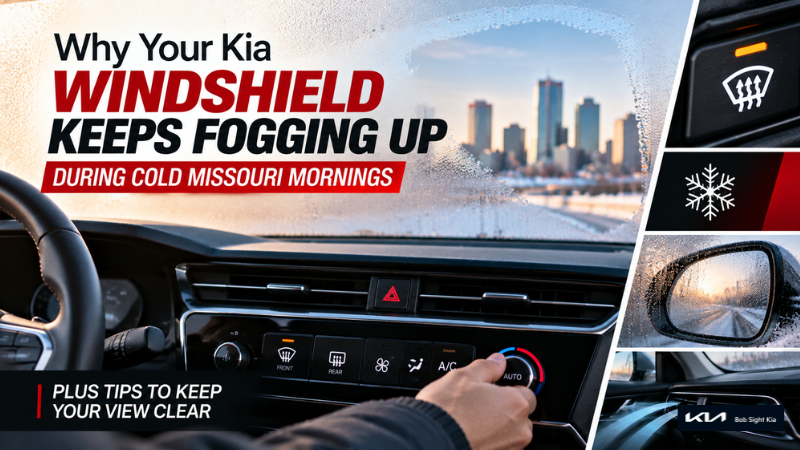
Bob Sight Kia service technician performing synthetic oil change and filter replacement in Independence MO

How Often Does Your Kia Need an Oil Change in Kansas City for Kansas City Metro Drivers

How Often Does Your Kia Need an Oil Change in Kansas City for Kansas City Metro Drivers Most modern Kia vehicles operating in the Kansas City metro area require a full synthetic oil change every 5,000 to 7,500 miles or every six months to maintain peak engine health and preserve factory warranty protection. While standard factory owner manuals list baseline intervals of 7,500 to 10,000 miles under ideal driving conditions, real-world Missouri driving habits frequently fall under manufacturer "severe service" guidelines. Navigating daily rush-hour stop-and-go traffic along Interstate 70, merging onto I-435, or coping with sub-zero winter cold starts in Independence strains motor oil significantly faster than continuous open-highway driving. At Bob Sight Kia, our factory-trained service team is dedicated to helping drivers across Independence, Lee's Summit, Blue Springs, Raytown, and the greater Kansas City area establish the ideal maintenance schedule for their specific driving routine. Schedule Certified Kia Oil Change Service at Bob Sight Kia in Independence, MO In This Guide You'll Learn Maintaining clean motor oil is the single most vital service required to protect your vehicle engine against thermal breakdown, sludge accumulation, and costly internal component wear. Here is what this detailed guide covers: How Missouri seasonal weather swings directly accelerate motor oil oxidation and thermal breakdown. Key differences between standard factory maintenance schedules and real-world severe driving condition intervals. Why modern Kia engines require OW-20 or 5W-30 full synthetic oil to preserve 10-Year/100,000-Mile warranty coverage. Step-by-step methods to check your vehicle engine oil level and evaluate oil condition at home. Comparing certified dealership oil changes against fast-lube chains and independent auto repair facilities. Understanding how intelligent Kia Oil Life Monitoring systems calculate real-world service alerts. Essential complementary multi-point checks that should accompany every routine oil change visit. 1. Understanding Baseline Kia Factory Oil Change Guidelines Baseline factory maintenance guidelines for modern gasoline-powered Kia models recommend a full synthetic oil change every 7,500 miles or 12 months under mild, ideal driving conditions. This standard interval represents the absolute maximum distance a vehicle should travel before fresh motor oil and a genuine OEM oil filter are installed. Adhering to at least this baseline frequency is mandatory for keeping your factory 10-Year/100,000-Mile Powertrain Limited Warranty active and fully enforceable across Jackson County. When fresh synthetic oil circulates through your engine, it creates a microscopic lubricating film over moving metallic surfaces, reducing friction between pistons, camshafts, and crankshaft bearings. Over time, heat, fuel dilution, and airborne microscopic debris alter the chemical structure of the oil, gradually diminishing its protective viscosity. Commuters traveling long distances on flat highways at steady speeds between Grain Valley, Blue Springs, and Liberty experience minimal thermal stress, allowing oil to remain clean closer to the full 7,500-mile mark. However, relying solely on maximum factory intervals without accounting for regional climate factors can expose your engine to subtle, cumulative wear. Even if your vehicle logs low annual mileage, motor oil naturally absorbs environmental moisture, unburned fuel vapors, and combustion byproducts over time. For this reason, the factory maintenance calendar enforces a six-month or twelve-month time limit regardless of total miles recorded on your digital odometer. 2. How Missouri Climate and Extreme Weather Shorten Motor Oil Lifespan Extreme seasonal weather swings in Missouri subject motor oil to severe thermal stress, requiring local drivers to follow a more proactive 5,000-mile oil change schedule. Weather conditions across Eastern Jackson County vary dramatically throughout the year, ranging from sub-zero winter cold snaps to scorching, humid summer heatwaves over 95 degrees Fahrenheit. These drastic ambient temperature changes directly impact how engine oil flows, lubricates, and resists internal oxidation during daily operation. During freezing winter mornings in Independence, Sugar Creek, and Raytown, thick motor oil resists initial movement, forcing starter motors to work harder while engine components operate with minimal initial lubrication. Short trips under ten miles—such as quick errands near Independence Center or local school runs—do not allow the engine block to reach full operating temperature long enough to burn off condensation. Moisture accumulated inside the crankcase mixes with oil deposits, creating thick, corrosive engine sludge that clogs narrow oil passages. Conversely, summer traffic delays on Highway 40, Highway 291, or I-70 expose motor oil to elevated thermal loads. High engine temperatures accelerate oil thinning and evaporation, reducing the protective oil film required to shield turbochargers and cylinder walls. Changing your motor oil every 5,000 miles or six months ensures fresh, heat-resistant synthetic fluid protects your engine against both freezing condensation and high-temperature thermal breakdown. 3. Identifying "Severe Driving Conditions" in the Kansas City Metro Most Kansas City metro commuters operate under manufacturer "severe driving" conditions due to frequent short trips, heavy traffic idling, and road salt exposure. Automotive owner manuals define severe driving not as extreme off-road driving, but as everyday suburban traffic patterns that place heightened mechanical stress on engine lubricants. Identifying these local driving factors helps owners make informed decisions about their maintenance cadence. Kia official factory manuals specify that service intervals should be reduced to 5,000 miles or six months if your driving routine regularly includes any of the following real-world scenarios: Driving Condition Real-World Kansas City Scenario Impact on Engine Oil Health Frequent Short Trips Driving under 8 miles in freezing weather around Blue Springs or Raytown Prevents oil from heating enough to burn off fuel and moisture contamination Extensive Engine Idling Stop-and-go rush-hour traffic jams on I-70 West or I-435 during peak hours Increases engine operating hours without adding odometer distance Corrosive Salt Exposure Driving on salt-treated roads during Jackson County winter storms Accelerates exterior engine component corrosion and air filter debris accumulation Rough / Dusty Roads Navigating unpaved rural roads or heavy construction zones near Highway 291 Introduces fine airborne silica particles that contaminate engine oil filters Heavy Hauling or Towing Pulling recreational trailers, boats, or fully loaded passenger SUVs Generates extreme internal oil temperatures that break down fluid viscosity Because the vast majority of Jackson County drivers experience at least two or three of these severe factors weekly, sticking to a 5,000-mile synthetic oil change interval provides the safest, most effective defense against premature engine wear. Proactive service prevents costly internal damage while maintaining maximum fuel economy on daily commutes. 4. Full Synthetic vs Conventional Oil: Why Modern Kia Engines Require Synthetic Modern Kia engines are engineered specifically for full synthetic OW-20 or 5W-30 oil to deliver superior thermal protection, optimal fuel efficiency, and complete warranty compliance. Advanced powertrain engineering incorporates tight internal mechanical tolerances, variable valve timing, and gasoline direct injection (GDI) technology. Utilizing outdated conventional oil in these high-precision engines causes rapid thermal breakdown, carbon buildup on intake valves, and hazardous oil sludge accumulation. Full synthetic motor oil is chemically synthesized from pure base stocks, creating uniform molecular structures that resist breakdown under high heat and extreme pressure. Synthetic formulas flow instantly during sub-zero cold starts in Missouri, lubricating vital overhead camshafts and turbocharger bearings seconds before conventional oil can even begin moving. Furthermore, full synthetic lubricants contain specialized detergent additives that actively suspend microscopic carbon soot until it reaches the oil filter. Kia requires full synthetic motor oil for all vehicles to keep factory warranty protections fully active. Using low-grade conventional or semi-synthetic oil can lead to premature engine failure, lower EPA-rated fuel economy, and denied warranty claims if mechanical issues arise. Investing in high-grade synthetic oil during every service visit guarantees that your engine operates at peak efficiency year after year. 5. Step-by-Step Guide to Checking Your Kia Oil Level at Home Checking your engine oil level monthly at home allows you to monitor fluid consumption, detect early leaks, and verify oil cleanliness between service visits. Even modern engines consume tiny amounts of oil during normal operation, especially during long highway trips across Missouri. Taking five minutes every month to inspect your dipstick ensures your engine never runs low on vital lubrication. Park on a Level Surface and Warm the Engine: Park your vehicle on a flat driveway in Independence, run the engine until it reaches normal operating temperature, turn off the ignition, and wait 5 to 10 minutes for oil to drain back into the pan. Locate and Withdraw the Dipstick: Pop the hood, locate the brightly colored engine oil dipstick handle, pull the dipstick out smoothly, and wipe the metal tip completely clean with a fresh lint-free paper towel. Reinsert the Dipstick Fully: Push the dipstick back into its tube until it seats fully, wait two seconds, and pull it back out smoothly to inspect the oil level line. Examine the Oil Level Markings: Verify that the oil level sits clearly between the "Full" (F) and "Low" (L) dots; if the fluid sits near or below the lower dot, add one quart of the exact synthetic viscosity specified on your oil filler cap. Inspect Oil Color and Smell: Check the fluid appearance; fresh synthetic oil displays an amber color, while extremely dark, gritty, or milky oil smelling strongly of gasoline indicates an immediate need for professional service. Performing this simple routine check prevents severe low-oil engine damage. If you notice your oil level dropping rapidly between 5,000-mile service intervals, visit Bob Sight Kia promptly so certified technicians can inspect your engine for minor valve cover or oil pan gasket leaks. 6. The Role of Kia Intelligent Oil Life Monitoring Systems Modern Kia vehicles feature computer-driven Oil Life Monitoring systems that calculate oil degradation based on real-world driving conditions, engine temperatures, and idle time. Rather than relying solely on a fixed odometer reading, this intelligent system continuously analyzes how your vehicle is driven daily across the Kansas City metro area. The onboard computer tracks engine load, cold starts, short trips, ambient temperatures, and highway cruising speeds to calculate remaining oil life percentage accurately. When the monitoring system detects that your oil is nearing the end of its protective lifespan, a maintenance reminder populates on your digital instrument cluster and sends a notification through the Kia Connect smartphone application. If your daily commute involves heavy stop-and-go traffic along I-70 or extended idling during cold winter mornings, the system will prompt you for service closer to 5,000 miles. Conversely, consistent long-distance highway travel at optimal operating temperatures allows the system to extend service prompts closer to the standard 7,500-mile mark. However, electronic monitoring systems cannot measure physical oil volume or detect visual contamination from blown head gaskets or dirt intrusion. Therefore, drivers should treat digital service reminders as a helpful safety net while continuing to perform monthly physical dipstick checks. Following both digital prompts and visual inspections guarantees maximum engine longevity. 7. Step-by-Step Guide to a Professional Dealership Oil Change Visit A certified dealership oil change at Bob Sight Kia combines factory-spec synthetic oil replacement with comprehensive multi-point safety inspections. Bringing your vehicle to an authorized service facility guarantees that your car receives specialized technical care that quick-lube chains simply cannot match. Factory-trained technicians handle every step of the service procedure using specialized tools and genuine OEM parts. Vehicle Arrival and Service Reception: Drive into our temperature-controlled service bay at Bob Sight Kia in Independence, where a service advisor checks your vehicle in, verifies active recall status, and reviews your maintenance history. Engine Inspection and Oil Drainage: Certified technicians raise the vehicle on a hydraulic lift, remove underbody splash shields, and drain old motor oil completely into specialized containment units. Genuine OEM Filter Replacement: Technicians remove the spent filter and install a fresh, genuine Kia OEM oil filter featuring exact anti-drainback valves and factory bypass spring tensions. Precision Refill with Full Synthetic Oil: The engine is refilled with the exact volume and viscosity of premium full synthetic oil specified by the manufacturer for your exact model engine. Comprehensive Multi-Point Safety Inspection: Technicians conduct a 21-point vehicle inspection covering brake pad thickness, tire tread depth, battery health, coolant concentration, wiper blades, and suspension linkages. Maintenance System Reset and Road Test: Technicians reset your digital dash oil life monitor, place a service reminder cling on your windshield, and perform a quick quality verification test before returning your clean vehicle. This structured service procedure provides total peace of mind for every mile driven across Missouri. Utilizing online scheduling tools like our schedule service tool allows you to book convenient appointment times that fit your daily schedule effortlessly. 8. Certified Dealership Care vs Independent Fast-Lube Chains Choosing an authorized Kia dealership over independent fast-lube outlets guarantees genuine OEM filters, correct fluid specifications, Master Technician expertise, and protected warranty records. Quick-lube centers frequently use low-cost universal oil filters that lack internal anti-drainback valves, leading to dry engine starts and severe valve train clatter over time. Furthermore, non-certified technicians may install incorrect oil weights or overtighten drain plugs, damaging delicate aluminum oil pans. Service Standard Bob Sight Kia Certified Service Independent Fast-Lube Outlets Technician Qualifications Kia Master Certified & Factory-Trained Experts Entry-Level General Technicians Oil Filter Quality 100% Genuine OEM Filters with Anti-Drainback Valves Generic Universal Aftermarket Filters Oil Specification Accuracy Exact Factory-Approved Synthetic Viscosities Bulk Synthetic Blends or Generic Oils Warranty Documentation Automatic Digital VIN Log directly tied to Kia Corporate Manual Paper Receipts Subject to Loss Facility & Recall Checks Automatic Inspection for Open Factory Recalls & TSBs No Access to Proprietary Kia Recall Databases Servicing your vehicle at Bob Sight Kia guarantees that every oil change record is stored permanently in Kia's national database. If you ever require warranty work under your 10-Year/100,000-Mile coverage, your maintenance history is instantly verifiable without searching through shoe boxes of paper receipts. Additionally, taking advantage of rotating dealer service promotions keeps certified care exceptionally affordable. Exploring current service and parts specials guarantees your vehicle receives top-tier factory service while keeping routine ownership expenses low across Jackson County. Quick Facts: Kia Oil Change Frequency in Kansas City Baseline Interval: 7,500 miles or 12 months under ideal, mild driving conditions with full synthetic oil. Severe Driving Interval: 5,000 miles or 6 months for Kansas City commuters facing short trips, severe weather, or heavy traffic. Mandatory Oil Type: Full synthetic OW-20 or 5W-30 oil required to preserve factory warranty protection. OEM Filter Protection: Genuine Kia oil filters prevent dry starts with built-in anti-drainback valves. Dipstick Verification: Monthly home oil checks ensure proper fluid levels and catch subtle leaks early. Following these simple maintenance guidelines protects your engine, optimizes fuel economy, and preserves long-term resale value across the Kansas City metro area. Ownership Planning for Kansas City Metro Drivers Proactive ownership planning is the most effective way to lower overall vehicle operating costs and maintain mechanical reliability over hundreds of thousands of miles. Missouri climate conditions deliver dramatic seasonal swings, ranging from freezing winter ice and road salt application along I-70 to intense summer heat that strains cooling systems. Aligning your oil change schedule with seasonal shifts ensures your engine remains protected through every environmental challenge. A smart strategy for local drivers is scheduling a pre-winter oil change in late autumn and a pre-summer oil change in late spring. Changing your oil before freezing winter weather arrives ensures fresh, low-viscosity synthetic oil flows effortlessly during sub-zero morning cold starts. Similarly, installing fresh synthetic oil before summer heatwaves arrive ensures maximum thermal breakdown resistance when idling in heavy rush-hour traffic near Independence Center or along I-435. Finally, combining routine oil changes with tire rotations every 5,000 to 7,500 miles maximizes tire tread life and protects all-wheel-drive transfer cases against uneven tire circumference strain. Utilizing genuine OEM filters, keeping detailed maintenance records, and partnering with certified technicians at Bob Sight Kia keeps your vehicle running smoothly, efficiently, and dependably year after year. Frequently Asked Questions How often should I change the oil in my Kia if I drive in Kansas City traffic daily? If you drive daily in heavy Kansas City traffic, you should change your oil every 5,000 miles or every six months using full synthetic oil. Stop-and-go driving along major corridors like I-70, I-435, and Highway 40 causes extensive engine idling, which accumulates engine operating hours without adding significant mileage to your odometer. Extensive idling increases internal engine temperatures and accelerates oil degradation, reducing the fluid's ability to lubricate vital components effectively. Furthermore, short daily commutes under 10 miles in cold winter weather prevent the engine from reaching full operating temperature, allowing condensation and unburned fuel to contaminate the oil supply. Following a 5,000-mile severe service schedule protects your engine against sludge accumulation, preserves fuel efficiency, and keeps your 10-Year/100,000-Mile Powertrain Limited Warranty fully active across Independence and surrounding suburban communities. What happens if I delay my Kia oil change past the recommended interval? Delaying your oil change allows motor oil to break down, forming thick engine sludge that clogs narrow oil passages, increases friction, and risks catastrophic internal engine damage. As synthetic oil ages past its protective lifespan, its detergent additives deplete, allowing unburned fuel, soot, and moisture to form gummy varnish on internal components. Over time, oil sludge starves vital engine parts—such as overhead camshafts, timing chain tensioners, and turbocharger bearings—of essential lubrication. This increased friction leads to valve train noise, decreased fuel economy, engine overheating, and eventual component failure that can cost thousands of dollars to repair. Additionally, skipping or delaying scheduled oil changes can jeopardize your factory warranty coverage. Sticking to a consistent 5,000 to 7,500-mile service schedule at Bob Sight Kia guarantees that your engine remains clean, efficient, and fully protected under factory warranty terms. Can I use conventional oil instead of full synthetic oil in my new Kia? No, modern Kia engines are engineered specifically for full synthetic oil, and using conventional oil can cause rapid thermal breakdown, carbon buildup, and potential warranty cancellation. Precision engineering in modern GDI and turbocharged Kia engines requires high-grade synthetic lubricants that maintain precise viscosity under extreme heat and pressure. Conventional motor oil lacks the refined chemical structure and advanced detergent packages needed to protect high-tech engines. Using conventional oil can lead to heavy carbon deposits on intake valves, clogged oil filter passages, decreased fuel economy, and severe dry-start wear during freezing Missouri winters. Kia factory maintenance guidelines mandate full synthetic OW-20 or 5W-30 motor oil for all recent model years. Servicing your vehicle at Bob Sight Kia in Independence guarantees that certified technicians fill your engine with factory-approved synthetic oil tailored to your exact model specifications. How do I know if my Kia is due for an oil change near Independence, MO? You can tell your Kia is due for an oil change by checking your digital dashboard service reminder, inspecting the dipstick, or noting if 5,000 miles or six months have passed since your last visit. Modern Kia models display a dashboard maintenance notification or send a alert via the Kia Connect smartphone app when oil life drops low. Physical warning signs that indicate an urgent need for fresh oil include dark, gritty fluid on the dipstick, persistent engine ticking or valve clatter upon startup, reduced fuel economy, or a burning oil smell inside the cabin. If your dashboard oil pressure warning light illuminates, you should pull over safely and turn off the engine immediately. Bringing your vehicle to Bob Sight Kia for a quick inspection allows certified technicians to check your oil level, evaluate fluid condition, and perform a complimentary multi-point safety inspection to keep your vehicle running smoothly across Eastern Jackson County. Why Bob Sight Kia Is Your Trusted Partner for Engine Maintenance Choosing Bob Sight Kia for your routine oil changes and engine maintenance means partnering with a local, family-owned dealership deeply committed to serving Independence and the greater Kansas City area. For generations, our automotive group has built its reputation on honest guidance, total pricing transparency, and outstanding customer care. We treat every guest who enters our service drive like a valued neighbor. Our state-of-the-art service center features modern hydraulic lifts, specialized Kia factory tools, and a complete inventory of genuine OEM filters and approved synthetic lubricants. Factory-trained Master Technicians handle every oil change procedure with exact precision, ensuring correct filter torque, proper fluid capacity, and thorough multi-point safety checks during every appointment. We are dedicated to making your service experience comfortable, fast, and stress-free. From easy online scheduling and comfortable waiting lounges with Wi-Fi to transparent pricing disclosures and rotating maintenance promotions, our team is here to support you through every mile of vehicle ownership. Visit Bob Sight Kia in Independence, MO today and experience certified customer service excellence firsthand. Helpful Links Explore these useful resources on our website to assist with your service and vehicle care needs: Schedule Certified Kia Oil Change Service Online Browse Current Parts and Service Specials Order Genuine Kia OEM Parts & Filters Search New Kia Vehicles in Independence, MO Calculate Your Vehicle Trade-In Value Proud to Be Part of the Bob Sight Auto Group Bob Sight Kia is proud to be a member of the Bob Sight Auto Group, serving drivers across Missouri and Kansas for generations with commitment, integrity, and exceptional service. Whether you are looking for new vehicles, quality pre-owned models, professional service, or certified collision repair, our family of dealerships is dedicated to meeting all your automotive needs across the Kansas City metro area. Bob Sight Kia - Independence, MO Bob Sight Ford - Lee's Summit, MO Bob Sight Honda - Lawrence, KS Bob Sight CDJR - Lawrence, KS Bob Sight Collision Center - Lee's Summit, MO
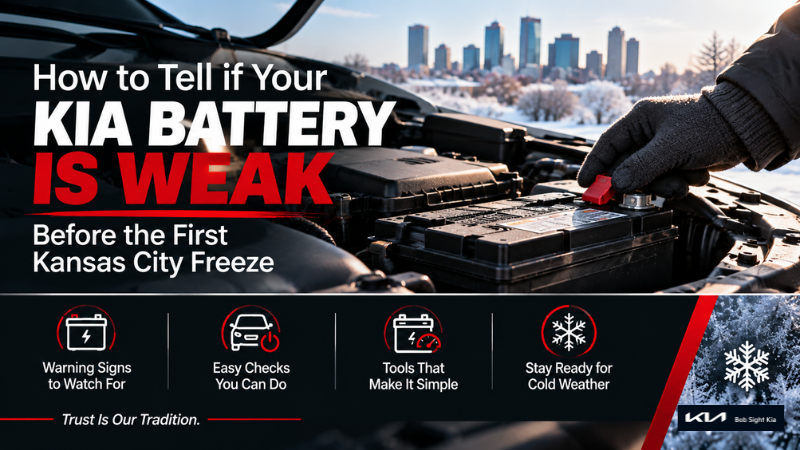
Bob Sight Kia service technician inspecting tire tread depth and battery condition for winter maintenance in Independence MO

Looking Ahead to Winter: Kia Winter Maintenance Checklist for Kansas City Metro Drivers

Looking Ahead to Winter: Kia Winter Maintenance Checklist for Kansas City Metro Drivers Preparing your vehicle for freezing Midwest temperatures requires a comprehensive seasonal inspection covering battery health, tire traction, fluid viscosity, and heating systems across Jackson County. Navigating icy commutes along Interstate 70, handling winter slush near Independence Center, or driving down Highway 291 in sub-zero temperatures puts severe stress on your engine, electrical setup, and braking components. At Bob Sight Kia, our factory-trained service team is dedicated to keeping drivers in Independence, Lee's Summit, Blue Springs, Raytown, and the greater Kansas City area safe, warm, and confident on the road all winter long. Schedule Certified Kia Winter Maintenance at Bob Sight Kia in Independence, MO In This Guide You'll Learn Proactive winter preparation prevents unexpected breakdowns, protects internal engine components, and maintains optimal driving safety. Here is what this detailed guide covers: How freezing Missouri temperatures impact cold-cranking amps, battery chemistry, and electrical reliability. Step-by-step methods for inspecting tire tread depth, maintaining proper tire pressure, and choosing winter tires. Key differences between standard oil weights and low-viscosity synthetic engine oils for sub-zero starts. Understanding optimal 50/50 ethylene-glycol coolant mixtures and windshield washer anti-freeze protection. Critical brake pad, rotor, and suspension checks required for stopping safely on icy or slushy roads. How to test climate control defrosters, replace cabin air filters, and install winter wiper blades. Step-by-step instructions for assembling a functional vehicle winter emergency kit for Midwest highways. 1. Why Early Winter Preparation Matters for Independence Drivers Scheduling seasonal maintenance before the first hard freeze in Jackson County prevents cold-weather starting failures, preserves battery power, and ensures maximum tire traction on slick pavement. Winter weather in Eastern Jackson County brings sudden temperature drops, freezing rain, heavy snowfall, and dangerous black ice across major commuter corridors like I-70 and US-40. Waiting until a severe winter storm hits often leaves drivers stranded with dead batteries, frozen wiper lines, or inadequate tire grip when trying to get to work or school. Sub-zero winter blasts severely test every mechanical system inside modern gas, hybrid, and electric Kia models. Cold air causes engine oil to thicken, demands higher electrical output to crank cold engines, and causes tire pressure to drop rapidly. Commuters traveling between Raytown, Sugar Creek, and downtown Kansas City face extra hazards from road salt and chemical de-icers that accelerate chassis corrosion if proper protective steps are not taken prior to winter. Completing a thorough winter checkup early in the autumn gives local owners peace of mind and keeps service costs manageable. Addressing minor component wear before freezing weather arrives prevents minor issues from compounding into expensive winter repairs. Partnering with certified technicians ensures your vehicle receives factory-approved fluids, genuine OEM components, and specialized care tailored specifically for cold Midwest driving conditions. 2. Battery Health and Cold-Cranking Capacity Testing Testing your battery's cold-cranking amps (CCA) before winter is essential because freezing temperatures reduce battery chemical efficiency by up to 50 percent while demanding more starting power. A battery that performs adequately during mild summer months can fail suddenly during the first frosty morning in Independence. Engine starter motors require significantly higher electrical current to turn over cold engine oil, placing immense strain on aging battery plates and internal fluid capacity. During a professional electrical inspection at Bob Sight Kia, certified technicians conduct a comprehensive digital load test to measure total voltage output and cold-cranking reserve capacities. They also inspect battery terminals and cable connections for white or greenish corrosion buildup, which increases electrical resistance and prevents proper charging. Cleaning terminal connections and applying protective anti-corrosion grease ensures steady voltage flow throughout the winter season. If your battery is more than three years old, replacing it proactively before sub-zero winter temperatures arrive protects you from being stranded in icy parking lots near Independence Center. Drivers operating advanced Kia hybrids or electric vehicles like the EV6 or EV9 should also have their 12-volt auxiliary systems and high-voltage battery thermal management controls checked. Maintaining healthy battery systems guarantees instant engine starts and reliable operation for electronic safety systems during severe winter weather. 3. Tire Tread Inspection, Pressure Maintenance, and Winter Tire Selection Maintaining proper tire inflation and ensuring a minimum tread depth of 6/32 of an inch are critical for channeling snow, slush, and water away from the contact patch on slippery Missouri roads. Ambient outdoor temperatures directly affect tire pressure, with air pressure dropping approximately one to two pounds per square inch (PSI) for every 10-degree Fahrenheit drop in outside temperature. Driving on underinflated tires reduces fuel economy, causes uneven tread wear, and severely degrades steering response on icy highway ramps along Highway 291. Checking tire tread depth regularly using a depth gauge ensures your tires can bite into packed snow and slush without hydroplaning. While legal minimum tread limits are set at 2/32 of an inch, winter driving demands significantly deeper tread grooves to maintain adequate traction. If your tires show uneven wear patterns or shallow tread, scheduling a tire rotation and computerized wheel alignment restores handling stability and extends overall tread life. For drivers who commute frequently along open highway stretches in Grain Valley, Blue Springs, or Liberty, switching to dedicated winter tires offers unmatched cold-weather grip. Winter tires feature specialized soft rubber compounds that remain flexible in sub-freezing temperatures, alongside dense siping patterns designed to grip packed snow and ice. Local drivers can consult with our parts team to find OEM-recommended tire packages engineered specifically for their vehicle trim. 4. Step-by-Step Guide to Essential Winter Fluid Checks Verifying proper engine oil viscosity, coolant concentration levels, brake fluid purity, and low-temperature washer fluid prevents severe internal engine damage and visibility loss during winter storms. Fluids act as the lifeblood of your vehicle, and each fluid type behaves differently when exposed to frigid Midwest air. Following a methodical fluid inspection process keeps your engine, braking, and visibility systems operating perfectly throughout the coldest months of the year. Verify Engine Oil Grade and Viscosity: Check that your engine contains full synthetic oil (such as OW-20 or 5W-30 depending on model specifications) that flows easily during cold morning starts to protect vital internal engine components immediately upon turning the key. Test Engine Coolant and Antifreeze Concentration: Use a refractometer or hydrometer to confirm an exact 50/50 mixture of genuine Kia long-life ethylene-glycol coolant and distilled water, protecting the radiator and engine block against freezing down to -34 degrees Fahrenheit. Inspect Brake Fluid for Moisture Accumulation: Test brake fluid for moisture contamination, as absorbed water can freeze inside brake lines or cause internal corrosion, leading to a spongy brake pedal or reduced stopping power on icy roads. Fill Washer Reservoir with Sub-Zero De-Icing Fluid: Drain summer washing fluids and completely fill the reservoir with a winter-grade washer fluid rated for -20 degrees Fahrenheit or lower to melt windshield frost and prevent frozen fluid nozzles while driving on I-70. Check Transmission and Differential Fluids: Inspect driveline lubricants, especially on all-wheel-drive models, to ensure proper fluid levels and viscosity for smooth power transfer through snow and ice. Executing these vital fluid checks protects internal engine and transmission components from catastrophic cold-weather wear. Utilizing certified service facilities ensures your vehicle receives factory-specified fluids engineered to maintain exact viscosity tolerances. Keeping fluids topped off and clean guarantees optimal winter reliability across Jackson County. 5. Brake System Performance and Suspension Checks on Icy Roads Conducting a thorough brake and suspension evaluation ensures short, controlled stopping distances and predictable chassis stability when braking on slick pavement. Winter road conditions reduce tire traction dramatically, making smooth, precise braking performance essential for avoiding rear-end collisions during heavy traffic stops along Truman Road or Noland Road. Worn brake pads, warped rotors, or sticking calipers compromise stopping control and increase braking distances on icy road surfaces. During a comprehensive brake inspection, certified mechanics measure brake pad friction material thickness, inspect rotors for scoring or rust buildup, and verify that caliper slide pins move freely. Road salt and winter moisture can cause rust to form on brake components, leading to uneven pad wear or brake drag. Cleaning caliper slides and replacing worn pads with genuine Kia OEM brake components restores factory braking response and prevents premature rotor damage. Suspension components also play a vital role in maintaining tire contact with uneven, pothole-marked winter roads across the Kansas City metro. Struts, shocks, sway bar links, and control arm bushings must absorb impacts while maintaining proper wheel alignment geometry. Replacing worn suspension parts eliminates unwanted body sway and helps keep your vehicle planted firmly when navigating icy curves or sudden lane adjustments on regional interstates. 6. Heating, Defroster, Cabin Air Filter, and Wiper Blade Maintenance Inspecting climate control heating elements, rear window defrosters, cabin air filters, and heavy-duty winter wiper blades guarantees a warm cabin and clear visual awareness during snowfall. Clear visibility is your primary line of defense when navigating hazardous winter driving conditions in Eastern Jackson County. Streaking wiper blades or a slow-defrosting windshield compromise your ability to see pedestrians, brake lights, and lane markings clearly during heavy snow or freezing rain. Visibility & Heating System Common Winter Failures Recommended Preventive Maintenance Windshield Wiper Blades Streaking, Rubber Splitting, Ice Buildup on Frames Install Heavy-Duty Beam-Style Winter Wiper Blades Cabin Air Filter Reduced Heating Airflow, Musty Odors, Foggy Windows Replace Clogged Air Filter with Fresh OEM Filter Front & Rear Defrosters Inoperative Heating Grid Lines, Slow Moisture Clearing Inspect Heating Grid Element Continuity & Electrical Fuses HVAC Blower Motor Squeaking Noise, Weak Fan Speed, No Air Delivery Test Blower Motor Speeds & Climate Control Actuators Replacing standard windshield wipers with flexible, beam-style winter blades prevents ice and packed snow from building up inside the wiper frame. Beam-style blades apply uniform pressure across curved windshield glass, wiping away road spray and slush cleanly without leaving dangerous blind spots. Combining fresh winter blades with a clean cabin air filter ensures strong airflow through heater vents, allowing defrosters to clear glass rapidly on freezing mornings. Checking rear window heating grids and side mirror heaters is equally important for maintaining total visual awareness when backing out of driveways or changing lanes on busy roads. If defrosters operate slowly or fail to clear fog, certified technicians can inspect electrical relays, fuse panels, and heating elements to resolve issues quickly. Maintaining a warm, clear cabin keeps you comfortable and focused during difficult winter commutes. 7. All-Wheel Drive System Checks for Winter Traction Inspecting all-wheel-drive (AWD) coupling units, transfer cases, and rear differentials ensures instant torque distribution to wheels with traction when driving through snow. Modern Kia SUVs like the Telluride, Sorento, Sportage, and Seltos offer advanced Dynamax all-wheel-drive systems engineered to monitor road conditions and balance power between front and rear axles automatically. Proper maintenance guarantees that these sophisticated driveline components engage seamlessly on slick, snow-covered roads. Servicing all-wheel-drive systems involves checking fluid levels and condition inside the front transfer case and rear differential assemblies. Over time, gear oil degrades and loses its protective viscosity, especially under heavy loads or severe temperature changes. Changing driveline fluids at factory-recommended service intervals protects internal gears and bearings from friction wear, ensuring long-term reliability through harsh Midwest winters. Additionally, electronic AWD control modules rely on precise speed sensor inputs from all four wheels to detect wheel slippage instantly. Certified technicians use specialized Kia diagnostic equipment to check for stored fault codes and verify electronic sensor calibrations. Having an fully operational AWD system gives drivers total confidence when accelerating from stops or climbing steep, icy hills in suburban Independence neighborhoods. 8. Step-by-Step Guide to Assembling a Winter Emergency Kit Packing a dedicated vehicle emergency kit ensures driver and passenger safety in the event of unexpected highway delays, mechanical breakdowns, or accidental slide-offs. Even well-maintained vehicles can experience unexpected issues during severe winter weather, or become trapped behind traffic accidents on interstate highways like I-70 or I-435. Having proper emergency supplies stored inside your trunk keeps you warm, safe, and prepared until roadside assistance arrives. Pack High-Thermal Insulation Items: Store heavy fleece blankets, thermal sleeping bags, insulated gloves, knit hats, extra socks, and hand warmer packets in a waterproof storage tote inside your vehicle trunk. Assemble Light and Signaling Tools: Include a high-lumen LED flashlight with fresh extra batteries, reflective emergency safety vests, road flares, or LED emergency beacon lights to keep your vehicle visible to other drivers at night. Include Traction and Excavation Equipment: Carry a compact folding snow shovel, a sturdy ice scraper with a brass or rigid plastic edge, and a bag of sand, floor dry, or non-clumping kitty litter to provide instant tire traction on icy driveways. Gather Essential Mechanical and Power Tools: Pack a set of heavy-duty 8-gauge jumper cables or a portable lithium-ion jump-start power bank, basic hand tools, and a roll of heavy-duty duct tape for minor roadside repairs. Store Non-Perishable Food and Hydration: Keep non-perishable high-protein snack bars, dried fruit, nuts, and several bottles of drinking water inside the vehicle cabin, taking care not to let plastic water bottles freeze solid. Storing these critical safety items in an easily accessible trunk container ensures you are ready for severe weather emergencies. Reviewing kit contents annually before winter allows you to replace expired snacks, test flashlight batteries, and refresh clothing items. Preparation transforms scary winter breakdowns into manageable, safe situations for you and your family. Quick Facts: Kia Winter Maintenance Checklist Battery Capacity: Freezing outdoor air reduces battery capacity by up to 50 percent; professional load testing prevents sudden winter starting failures. Tire Pressure Loss: Tire pressure drops 1 to 2 PSI for every 10-degree drop in outside temperature; maintain proper inflation to preserve grip and fuel economy. Optimal Tread Depth: Ensure tire tread depth measures at least 6/32 of an inch to clear snow and slush effectively on icy Missouri roads. Synthetic Engine Oil: Full synthetic OW-20 engine oil flows rapidly during sub-zero cold starts, reducing internal friction and starter wear. Ethylene-Glycol Coolant: A precise 50/50 coolant and water mix protects engine blocks against internal freezing down to -34 degrees Fahrenheit. Following this seasonal checklist ensures your vehicle remains dependable, efficient, and safe through every winter storm in Eastern Jackson County. Ownership Planning for Missouri Winter Driving Proactive winter ownership planning protects your mechanical investment and preserves long-term vehicle trade-in equity. Missouri winters are notorious for unpredictable swings between freezing ice, heavy snowstorms, and muddy thaws. Establishing a consistent winter care routine—including frequent undercarriage car washes to remove road salt and de-icing chemicals—prevents rust formation on brake lines, exhaust pipes, and structural frame components. Planning your service appointments well in advance of peak winter months avoids last-minute scheduling delays at local service departments. Autumn is the ideal window to schedule oil changes, tire rotations, brake checks, and battery tests before winter weather arrives. Utilizing online scheduling tools like the schedule service tool at Bob Sight Kia allows you to select convenient appointment times that fit your daily calendar. Finally, keeping comprehensive service records and using genuine Kia OEM parts preserves factory warranty protection and enhances future vehicle value. Taking advantage of seasonal savings through service and parts specials keeps winter maintenance costs low. Thoughtful seasonal care guarantees that your Kia continues delivering comfortable, reliable performance through every Midwest winter season. Frequently Asked Questions Why is a battery test important before winter in Independence, MO? A battery test before winter is critical because cold temperatures severely degrade battery chemical capacity while demanding significantly more power to crank cold engine oil. Freezing air reduces a battery's available starting power by up to 50 percent, meaning an aging battery that started fine during summer can fail completely during the first freezing morning in Jackson County. Professional battery testing at Bob Sight Kia measures cold-cranking amps and internal resistance to determine if your battery can withstand winter starting demands. Technicians also clean battery posts and cable connections, removing corrosion that restricts electrical flow and prevents the alternator from fully charging the battery during short daily drives. Replacing a weak battery before sub-zero winter temperatures arrive protects you from being stranded in icy parking lots near Independence Center or along highway corridors like I-70. Routine electrical checks give drivers complete confidence during cold morning commutes across the Kansas City metro area. Should I switch to synthetic oil for winter driving in Missouri? Yes, switching to full synthetic oil with a low cold-viscosity rating like OW-20 guarantees rapid oil circulation during sub-zero cold engine starts. Conventional motor oil thickens significantly in freezing temperatures, causing engine components to run without proper lubrication for critical seconds after startup, which accelerates internal engine wear. Full synthetic oil remains fluid even in extreme sub-zero weather, flowing quickly to lubricate pistons, camshafts, and bearings immediately upon starting your engine. Synthetic oil also maintains its protective thermal properties longer, resisting oil breakdown and sludge formation during short winter drives where the engine may not reach full operating temperature. Servicing your vehicle at Bob Sight Kia guarantees that certified technicians fill your engine with factory-approved synthetic oil tailored to your exact engine specifications. Maintaining clean, high-grade synthetic oil protects your engine and supports maximum fuel economy all winter long. What tread depth do I need on my tires for winter driving on I-70? Tires should have a minimum tread depth of 6/32 of an inch to safely maintain traction, grip packed snow, and prevent hydroplaning on slushy highways. While legal minimum tread limits are set at 2/32 of an inch, shallow tread grooves cannot effectively channel heavy snow, slush, or freezing water away from the tire contact patch on fast-moving roads like I-70. Driving on worn tires dramatically increases braking distances and compromises steering control on icy pavement or wet highway ramps near Highway 291. Checking tread depth regularly with a depth gauge or having technicians measure tread during routine tire rotations ensures your tires offer adequate cold-weather grip. If your current tires are worn below safe winter thresholds, the parts specialists at Bob Sight Kia can help you select replacement all-season or dedicated winter tires engineered specifically for your Kia model. Proper tire selection keeps your family safe during hazardous winter travel across Eastern Jackson County. How does winter weather affect electric and hybrid Kia models? Freezing winter temperatures temporarily reduce electric vehicle driving range and hybrid battery efficiency because cold air slows battery chemical reactions and requires cabin heating energy. Lithium-ion batteries operate most efficiently in moderate temperatures, so running high-voltage cabin heaters in sub-zero weather draws energy directly from the traction battery pack. To maximize range during winter, drivers can utilize pre-conditioning features through Kia Connect while the vehicle is still plugged into a home charger, warming the battery and cabin using grid power. Utilizing heated seats and a heated steering wheel rather than blasting cabin heat also conserves battery energy for driving range during long commutes along I-435. Bringing your hybrid or EV to Bob Sight Kia for a pre-winter inspection ensures that high-voltage coolant systems, heat pumps, and 12-volt auxiliary batteries are operating perfectly. Certified technicians verify that thermal management systems keep your electric or hybrid vehicle performing efficiently all winter long. Why Bob Sight Kia Is Your Trusted Partner for Winter Service Choosing Bob Sight Kia for your seasonal vehicle maintenance means partnering with a family-owned dealership deeply committed to the safety and well-being of Independence drivers. For generations, our service center has provided transparent, high-quality automotive care built on honest advice, certified technical expertise, and fair pricing. We treat every customer who visits our service drive like a valued neighbor. Our state-of-the-art service facility features modern diagnostic technology, specialized Kia factory tools, and a complete inventory of genuine OEM parts designed specifically for your vehicle. Factory-trained Master Technicians handle every winter service procedure—from routine battery load tests and synthetic oil changes to complex brake repairs and all-wheel-drive servicing—with exact precision and care. We are dedicated to making your service experience comfortable, convenient, and completely stress-free. From online service scheduling and comfortable waiting lounges to clear pricing disclosures and helpful service advice, our team is here to support you through every mile of winter driving. Visit Bob Sight Kia in Independence, MO today to get your vehicle fully freeze-ready for the months ahead. Helpful Links Explore these useful resources on our website to assist with your winter service and vehicle research needs: Schedule Certified Kia Winter Maintenance Online Browse Current Parts and Service Specials Order Genuine Kia OEM Parts & Winter Accessories Explore New All-Wheel Drive Kia SUVs Calculate Your Vehicle Trade-In Value Proud to Be Part of the Bob Sight Auto Group Bob Sight Kia is proud to be a member of the Bob Sight Auto Group, serving drivers across Missouri and Kansas for generations with commitment, integrity, and exceptional service. Whether you are looking for new vehicles, quality pre-owned models, professional service, or certified collision repair, our family of dealerships is dedicated to meeting all your automotive needs across the Kansas City metro area. Bob Sight Kia - Independence, MO Bob Sight Ford - Lee's Summit, MO Bob Sight Honda - Lawrence, KS Bob Sight CDJR - Lawrence, KS Bob Sight Collision Center - Lee's Summit, MO
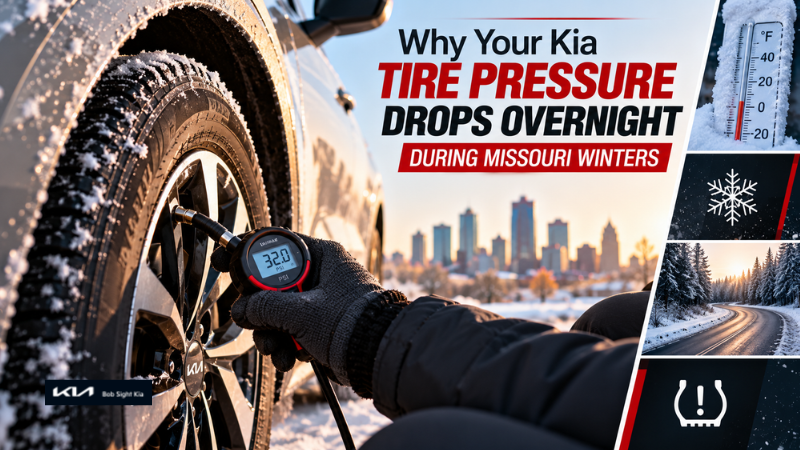
Bob Sight Kia service advisor assisting a customer during a first service check-in at the Independence MO service center

What to Expect During Your First Kia Service Appointment at Bob Sight Kia

What to Expect During Your First Kia Service Appointment at Bob Sight Kia Schedule Your First Kia Service Appointment at Bob Sight Kia in Independence MO Scheduling your initial maintenance visit ensures your new or pre-owned vehicle maintains peak fuel efficiency, factory reliability, and full warranty compliance across Jackson County. Drivers living in Independence, Missouri, subject their vehicles to demanding daily driving conditions, ranging from stop-and-go morning traffic on Interstate 70 to sudden winter freezes and humid Midwest summer commutes. Completing your first routine service appointment on time allows certified technicians to verify initial component wear, inspect critical fluid levels, and execute essential maintenance procedures recommended by Kia factory engineers. At Bob Sight Kia, our service team is dedicated to providing a transparent, efficient, and welcoming service experience for every first-time visitor. Whether you recently purchased a new Kia Telluride, Sportage, or K4, this comprehensive guide explains every step of your initial service appointment so you can arrive with complete confidence. In This Guide You'll Learn This comprehensive service guide covers everything first-time vehicle owners need to know about visiting the Bob Sight Kia service department in Independence: How to prepare your vehicle and documentation before arriving for your first scheduled maintenance visit. What happens during initial check-in with your dedicated Kia service advisor. A step-by-step breakdown of routine first-service procedures including oil changes, tire rotations, and fluid top-offs. How factory-trained technicians execute a comprehensive multi-point vehicle health inspection. Plain-language definitions of critical service terms like full synthetic oil viscosity, tire wear patterns, and brake lining thickness. A step-by-step guide to utilizing dealership amenities including local shuttle service and pickup options. A direct comparison table highlighting the advantages of factory-certified dealership service versus independent repair shops. Long-term maintenance planning strategies to preserve factory warranty coverage and trade-in value on Missouri roads. Preparing for Your First Kia Service Visit in Independence, Missouri Preparing for your first Kia service appointment involves gathering basic vehicle documentation, noting any driving observations, and selecting a convenient arrival time. Taking a few simple preparatory steps before driving to our Independence dealership streamlines the check-in process and ensures your service advisor addresses all your vehicle needs. Most initial service visits occur at 5,000 to 7,500 miles or six months of driving, depending on factory specifications for your specific Kia model and engine setup. Reviewing your owner manual maintenance schedule beforehand gives you a clear baseline understanding of required services. Before leaving your home in Lee's Summit, Blue Springs, or Raytown, gather essential documentation including your vehicle registration, current mileage reading, insurance card, and any specialized warranty papers. If you have experienced subtle driving changes—such as minor tire vibrations when merging onto Highway 291 or a slight squeak when braking on US-40—write down these details so your advisor can inform the service technician. Additionally, make sure to remove valuable personal items, sports equipment, or loose items from the front cabin area so technicians can access service ports and floor mats easily. Utilizing our user-friendly online service scheduling tool allows you to select an arrival window that fits your personal schedule without phone delays. When booking online, you can request specific services, choose your preferred service advisor, and indicate whether you plan to relax in our comfortable customer lounge or utilize our local shuttle service. Preparing your questions in advance ensures open communication between you and our service department, establishing a strong foundation for ongoing vehicle care throughout your ownership journey. Arriving at the Bob Sight Kia Service Center: Check-In and Service Advisor Consultation Upon arriving at Bob Sight Kia, you will pull directly into our climate-controlled service drive where a dedicated service advisor greets you immediately. Our service drive is designed to keep you sheltered from rain, snow, or summer heat as soon as you arrive at our Independence facility. Once you bring your vehicle to a stop inside the designated lane, an advisor will welcome you, record your current odometer mileage, and verify your contact details. This initial greeting sets a welcoming, professional tone for your service appointment. During the initial consultation, your service advisor will review your vehicle's factory-recommended maintenance schedule based on current mileage and age. They will discuss the planned service items line-by-line, explaining what maintenance will be performed and confirming whether you have experienced any specific driving concerns across Jackson County. If your vehicle is due for routine factory recall updates or software calibrations, your advisor will identify these items automatically through our connected Kia factory database and include them in your visit at zero charge. After confirming the scope of work, your advisor will provide a clear, transparent estimate of the time required to complete all inspections and maintenance tasks. You will receive a copy of the initial service order before your vehicle is escorted into our state-of-the-art service bays. From there, you can relax in our quiet customer waiting lounge—complete with complimentary Wi-Fi, fresh coffee, comfortable seating, and charging stations—or utilize our local shuttle service to run errands around Independence Center while our factory-certified technicians work on your car. Step-by-Step Breakdown of First Factory Scheduled Kia Maintenance First scheduled factory maintenance focuses on replacing engine oil, installing a fresh OEM filter, rotating tires, and inspecting vital mechanical components. Performing these foundational maintenance items on schedule removes break-in microscopic metal debris, prevents uneven tire tread wear, and ensures all mechanical assemblies function according to factory engineering standards. Following a systematic procedure ensures no detail is overlooked while your vehicle is on the service lift. Perform full synthetic engine oil and filter change: Drain worn engine oil, remove the factory oil filter, and refill the crankcase with premium full synthetic oil meeting exact Kia viscosity specifications (such as 0W-20 or 5W-30). Execute four-wheel tire rotation and pressure calibration: Remove all four wheels and rotate them according to specified directional patterns to promote uniform tread wear, adjusting tire air pressure to match driver door jamb specifications. Inspect and top off essential vehicle fluids: Check fluid levels and purity for windshield washer fluid, engine coolant, brake fluid, and power steering fluid, adding factory-approved fluids as needed. Inspect brake system hardware and friction pads: Measure front and rear brake pad lining thickness using precision digital calipers and inspect brake rotors, calipers, and hydraulic lines for signs of wear or leakage. Check engine air intake filter and cabin air filter condition: Remove filter elements to inspect for accumulated dirt, dust, or road debris, replacing them if restricted to maintain cabin air quality and engine efficiency. Perform battery terminal and charging system health test: Test cold-cranking ampers (CCA) battery output and clean battery terminal posts to ensure reliable engine starting during freezing Missouri winter weather. Completing these multi-point service steps protects internal engine clearances and preserves smooth power delivery during high-speed commuting along Interstate 70. Our factory-certified technicians utilize specialized Kia tools and genuine OEM replacement parts to guarantee exact mechanical fitment and original factory performance throughout your service visit. Understanding the Comprehensive Kia Multi-Point Inspection Process A Kia multi-point inspection is a thorough digital health check where technicians evaluate dozens of safety and performance components using a color-coded rating system. The multi-point inspection acts as an early warning system for your vehicle, identifying minor wear issues before they develop into inconvenient mechanical breakdowns on local roads. Technicians systematically examine under-hood components, steering linkages, suspension struts, exhaust systems, and underbody protection panels. Results from the multi-point inspection are categorized using a straightforward green, yellow, and red color system on your final digital report. Green indicates the component is in excellent condition and operating within factory specifications. Yellow signals that the component shows moderate wear and will require attention or replacement during an upcoming service visit. Red alerts you that immediate service or replacement is recommended to maintain vehicle safety, prevent mechanical damage, or preserve factory warranty compliance. Your service advisor will review the multi-point inspection report with you in detail upon completion of the service. You will receive a clear digital copy sent directly to your smartphone or email, complete with photos or video notes taken by the technician while your vehicle was on the lift. This complete transparency ensures you stay fully informed about your vehicle's mechanical condition without feeling pressured into unnecessary repairs. Plain-Language Definitions of Essential Kia Service and Maintenance Terminology Understanding common automotive service terms helps car owners communicate effectively with service advisors and make informed maintenance decisions. Service estimates and factory inspection reports contain specialized technical phrases. Plain-language definitions of essential maintenance terms clarify how routine service protects your vehicle on Midwest roads: Full Synthetic Oil Viscosity: A refined lubricant engineered to maintain consistent fluid thickness across extreme temperature ranges. Formulations like 0W-20 flow quickly during freezing winter morning starts in Independence while resisting heat breakdown during hot summer highway cruising. Tire Rotation Pattern: The systematic process of moving tires from one wheel position to another (e.g., front-to-rear or cross-forward) to balance tread wear across all four tires, extending total tire lifespan and protecting all-wheel-drive transfer cases. Brake Pad Lining Thickness: The remaining friction material depth measured in millimeters on brake pads. New brake pads typically measure 10mm to 12mm, while pads worn down to 3mm or less require prompt replacement to ensure safe stopping distances on wet or icy pavement. OEM Parts (Original Equipment Manufacturer): Replacement parts manufactured directly by or for Kia that match original factory specifications, materials, and engineering tolerances, preserving original vehicle reliability and warranty validity. Comparing Dealership Service vs Independent Repair Shops in Jackson County Servicing your vehicle at a certified dealership ensures work is performed by factory-trained master technicians using specialized tools and genuine OEM parts backed by factory warranty. While independent repair shops offer general automotive maintenance, they lack direct factory access to proprietary Kia diagnostic software, technical service bulletins, and specialized repair tools. Entrusting your new or pre-owned Kia to Bob Sight Kia guarantees that every procedure adheres strictly to factory engineering guidelines. The comparison matrix below highlights distinct operational differences between servicing your vehicle at Bob Sight Kia versus a generic independent repair shop in Jackson County: Service Feature / Standard Bob Sight Kia Service Center Independent Repair Shops Technician Certification Kia Factory Master Trained & Certified General ASE / Non-Specialized Technicians Diagnostic Equipment Proprietary Kia Factory Diagnostic Software Generic Multi-Brand Diagnostic Scanners Parts Quality 100% Genuine OEM Kia Replacement Parts Aftermarket or Generic Fitment Parts Warranty Claim Authorization Direct Factory Warranty Processing On-Site Cannot Perform or Authorize Factory Warranty Repairs Recall & Software Updates Automatic Factory Recall & Software Verification No Direct Access to Factory Software Updates Customer Amenities Comfortable Lounge, Wi-Fi, Shuttle & Pickup Varies (Often Limited Waiting Facilities) Choosing factory-certified dealership service preserves your vehicle's official warranty records, protects its resale trade-in value, and ensures your complex digital driver-assist safety systems remain correctly calibrated. Our commitment to specialized Kia care provides complete peace of mind during every maintenance visit. Step-by-Step Guide to Utilizing Kia Pickup, Delivery, and Shuttle Amenities Bob Sight Kia offers convenient local transportation options including courtesy shuttle services and pickup and delivery arrangements to make servicing your vehicle stress-free. We understand that busy work schedules, school drop-offs, and family commitments in Raytown, Blue Springs, and Lee's Summit can make waiting at a dealership inconvenient. Applying a structured scheduling process allows you to take advantage of our customer mobility programs seamlessly. Select your mobility preference when scheduling online: Choose between waiting in our customer lounge, requesting local courtesy shuttle transport, or booking premium pickup and delivery service. Confirm your transportation address with your service advisor: Verify your home or office address in Independence or surrounding areas during check-in so our shuttle drivers can plan efficient pickup routes. Receive automated SMS notifications regarding driver status: Receive real-time text message updates informing you when your shuttle driver or pickup valet is en route to your location. Review digital inspection reports while at work or home: Approve estimated maintenance work directly from your smartphone or laptop while our team completes your vehicle service. Enjoy seamless return transport upon service completion: Our shuttle driver will return you directly to the dealership to collect your freshly serviced and washed Kia vehicle. These thoughtful transportation amenities eliminate workweek disruptions, allowing local car owners to maintain their vehicles on schedule without sacrificing personal or professional time. Contact our service coordination team to verify shuttle boundary maps across Jackson County prior to your appointment. First Kia Maintenance Schedule and Inspection Quick Reference Adhering to factory-recommended service intervals keeps your vehicle operating smoothly while preventing premature wear on vital mechanical assemblies. The quick-reference guide below outlines typical service items required during early Kia maintenance milestones under normal driving conditions in Western Missouri: 7,500 Miles / 6 Months: Replace full synthetic engine oil and OEM oil filter, rotate all four tires, inspect brake pads and rotors, top off washer fluid, and perform initial multi-point health check. 15,000 Miles / 12 Months: Replace engine oil and filter, rotate tires, replace cabin air filter, inspect cooling system hoses, check steering gearbox, and inspect suspension ball joints. 22,500 Miles / 18 Months: Replace engine oil and filter, rotate tires, inspect brake lines and hydraulic connections, check exhaust system heat shields, and test battery output. 30,000 Miles / 24 Months: Replace engine oil and filter, rotate tires, replace engine air intake filter, replace cabin air filter, inspect drive belts, and perform complete brake fluid flush. Drivers who frequently navigate heavy stop-and-go commuter traffic along Interstate 470 or operate vehicles in extreme winter cold may follow severe maintenance schedules recommending slightly shorter intervals. Your Bob Sight Kia service advisor will help customize a maintenance timeline based on your specific daily driving habits in Independence. Quick Facts About First-Time Kia Service in Independence Reviewing essential quick facts highlights why routine initial service is vital for preserving vehicle performance, safety, and warranty protection. The summary points below detail key facts every first-time service customer should know: Warranty Protection Requirement: Documenting routine factory maintenance at regular intervals protects your original 10-year/100,000-mile factory powertrain warranty against claim denials. Genuine OEM Parts Guarantee: Every service performed at Bob Sight Kia utilizes genuine factory replacement parts engineered specifically for your exact vehicle model and trim. Factory Master Technicians: Our service team consists of factory-certified master technicians who undergo continuous training on the latest Kia mechanical and electrical systems. Complimentary Multi-Point Inspection: Every service visit includes a free digital health check with color-coded reports sent directly to your phone. Online Service Specials: Customers can access updated service and parts specials online to save on routine maintenance items like oil changes and tire rotations. These key service facts demonstrate why local drivers trust Bob Sight Kia for all their automotive maintenance needs. Having certified care paired with transparent pricing ensures a rewarding ownership experience from day one. Long-Term Ownership Planning and Seasonal Maintenance Strategy for Missouri Drivers Developing a long-term seasonal maintenance plan protects your Kia against Missouri's dramatic weather fluctuations while maximizing vehicle trade-in equity. Weather conditions across Jackson County range from summer humidity and scorching asphalt temperatures to freezing winter ice storms and heavy road salt application. Proactive care addresses seasonal environmental stress before it causes permanent damage to mechanical or aesthetic components. Preparing your vehicle for winter in late autumn involves testing battery cold-cranking capacity, inspecting wiper blade rubber, checking tire tread depth for snow traction, and verifying engine coolant freezing protection levels. Winter road salt applied along Highway 291 and Interstate 70 can cause underbody corrosion if left unwashed; scheduling regular undercarriage rinses at our dealership protects brake lines and suspension arms. In late spring, changing cabin air filters removes trapped seasonal pollen, ensuring clean cabin air during humid summer commutes. Maintaining complete, organized service records at Bob Sight Kia creates a documented history of professional maintenance that substantially boosts your vehicle's valuation when you decide to trade it in down the road. Prospective pre-owned buyers and dealership appraisers place high financial value on vehicles featuring documented factory service records. Investing in routine maintenance today yields lower long-term repair costs and higher future equity retention. Frequently Asked Questions About First Kia Service Visits How long does a first routine Kia service appointment typically take at Bob Sight Kia? A standard first routine service appointment—including synthetic oil change, tire rotation, fluid top-offs, and multi-point inspection—typically takes approximately 45 to 60 minutes to complete. Our service team works efficiently in dedicated quick-service bays to minimize your wait time while maintaining rigorous factory quality control standards. If your vehicle requires additional service items, such as factory recall software updates or specific driving concern diagnostics, your service advisor will inform you of the extended time estimate during initial check-in. You can relax comfortably in our customer lounge with free Wi-Fi and coffee or utilize our local shuttle service to run errands nearby in Independence. Scheduling your appointment online in advance allows our parts department to prep required filter elements and oil supplies prior to your arrival, ensuring the fastest possible turn-around time for your busy day. Do I need to take my vehicle to a Kia dealership to keep my 10-year warranty valid? While federal law permits you to have routine maintenance performed at any qualified shop, servicing your vehicle at a certified Kia dealership guarantees official factory record keeping and eliminates warranty claim disputes. Dealership service entries are logged directly into Kia's centralized national warranty database, providing instant proof of proper maintenance across all Kia locations nationwide. If you choose an independent shop, you must retain every detailed paper receipt, invoice, and parts receipt showing exact oil specifications used during every service interval. If a powertrain warranty claim arises in the future, missing or vague records from independent shops can complicate warranty authorization processes. Servicing your vehicle at Bob Sight Kia eliminates record-keeping hassles entirely while ensuring your car receives genuine OEM parts and factory master technician care on every visit. What should I bring with me to my first Kia service appointment? Bring your vehicle registration, current insurance card, driver's license, and a list of any specific driving observations or questions you want to discuss with your service advisor. Having your registration handy simplifies verifying contact details and owner database profiles during initial check-in. If you have noticed any subtle vehicle behavior changes—such as minor brake noise, steering pull on Interstate 70, or infotainment screen questions—having written notes ensures your advisor notes these items on the official technician work order. Additionally, remember to bring your Smart Key fob and wheel lock key if your vehicle is equipped with locking lug nuts, allowing technicians to remove wheels easily during tire rotation procedures. How do I know when my Kia is due for its first oil change and service? Your Kia is due for its first service at the mileage or time interval specified in your owner manual, typically occurring at 5,000 to 7,500 miles or 6 months of driving. Modern Kia vehicles also feature an automated instrument cluster service reminder that displays a notification icon when scheduled maintenance approaches. If your daily driving routine involves severe driving conditions—such as frequent short trips under 5 miles in cold weather, extensive idling in stop-and-go traffic along Highway 291, or driving in dusty conditions—factory guidelines recommend following shorter service intervals. Your Bob Sight Kia service advisor will review your specific driving patterns and recommend an ideal maintenance schedule tailored to your commute across Jackson County. Why Servicing Your Kia Locally at Bob Sight Kia Matters Servicing your vehicle locally at Bob Sight Kia connects you with a dedicated, family-owned dealership group that prioritizes customer trust, technical excellence, and community support. For generations, the Bob Sight Auto Group has served vehicle owners across Independence, Lee's Summit, Blue Springs, Raytown, and the greater Kansas City area. Our service philosophy centers on complete honesty, clear communication, and delivering exceptional technical quality on every visit. Our state-of-the-art service facility features factory-trained master technicians equipped with specialized diagnostic software, precision alignment machines, and complete inventories of genuine OEM parts. Whether you require routine synthetic oil changes, tire rotations, brake service, or complex warranty repairs, our team handles your vehicle with professional care and attention to detail. Comfortable lounge amenities, transparent digital inspection reports, and flexible transportation options make vehicle maintenance stress-free. Conveniently located in Independence, Missouri, Bob Sight Kia offers effortless access for drivers coming from across the Kansas City metro via Interstate 70 and Highway 291. We invite you to experience the difference factory-certified care makes for your vehicle. Schedule your first service appointment online today with the trusted team at Bob Sight Kia! Helpful Links Schedule Service Online at Bob Sight Kia Browse Current Service and Parts Specials Order Genuine OEM Kia Parts Online Value Your Current Vehicle Trade-In Online Explore New Kia Vehicle Inventory Proud to Be Part of the Bob Sight Auto Group Bob Sight Kia is proud to be a member of the Bob Sight Auto Group, serving drivers across Missouri and Kansas with high-quality automotive sales, financing, and service. Explore all of our dealership locations and specialized automotive services below: Bob Sight Ford Bob Sight Honda Bob Sight CDJR Bob Sight Kia Bob Sight Collision Center

Bob Sight Kia graphic promoting brake service in Independence, MO, highlighting common warning signs of brake problems including squealing brakes, vibration while braking, a soft brake pedal, brake warning lights, and longer stopping distances while emphasizing certified brake inspections, genuine Kia parts, and expert brake repair for safer driving.

Kia Brake Service Independence MO: Warning Signs You Should Never Ignore for Kansas City Metro Drivers

Kia Brake Service Independence MO: Warning Signs You Should Never Ignore Kia Brake Service Independence MO: Warning Signs You Should Never Ignore for Kansas City Metro Drivers Schedule certified Kia brake service in Independence, MO at Bob Sight Kia to ensure peak stopping performance and highway safety today. Maintaining responsive stopping power is the most critical safety aspect of operating your vehicle across the Kansas City metropolitan area. Whether commuting daily along Interstate 70 toward downtown Kansas City, navigating congested stop-and-go traffic on Highway 291 near the Independence Center, or taking family trips through Jackson County, your braking system endures continuous mechanical friction, heat, and hydraulic pressure. Recognizing early warning signs of brake wear prevents minor maintenance issues from turning into hazardous driving situations or costly emergency repairs. At Bob Sight Kia, located in Independence, Missouri, our factory-certified service technicians specialize in comprehensive brake inspections, hydraulic system maintenance, pad replacements, and rotor reconditioning. Understanding how your braking system functions, identifying symptoms of component degradation, and adhering to recommended inspection schedules ensures your Kia Sorento, Sportage, Telluride, or K4 delivers consistent, reliable stopping performance in all Midwest driving conditions. IN THIS GUIDE YOU'LL LEARN: In this detailed maintenance guide, our Kia service specialists break down critical brake system warning signs, technical inspection procedures, and long-term care strategies for local drivers. The top warning signs indicating your Kia requires immediate brake inspection and service. How local Missouri driving conditions and seasonal weather accelerate brake component wear. Key technical differences between routine brake pad replacement, rotor resurfacing, and complete hydraulic fluid service. A detailed comparison between authorized dealership brake service and generic independent repair shops. A step-by-step guide to what happens during a professional multi-point brake inspection. Proactive maintenance habits and service strategies to maximize the lifespan of your brake pads and rotors. 1. Auditory Brake Warning Signs: High-Pitched Squealing and Metallic Grinding High-pitched squealing or harsh metallic grinding while pressing the brake pedal indicates that your brake pads have worn down to critical safety thresholds. Modern Kia brake pads feature built-in metallic wear indicators designed to emit a persistent squeal when friction material drops below approximately 2 to 3 millimeters. Ignoring this initial auditory warning leads to complete friction material depletion, causing the metal backing plate to grind directly against the iron brake rotor surface. When metal-on-metal contact occurs during sudden deceleration along congested corridors like I-470 near Raytown or Lee's Summit, severe heat buildup damages the rotor surface. This creates deep mechanical grooves and gouges that render the rotor un-resurfacable, requiring total replacement. Furthermore, metallic grinding drastically increases stopping distance, putting you and your passengers at risk during sudden highway stops. Addressing squealing sounds immediately at our service center prevents costly rotor damage and restores factory stopping distance. In addition to wear indicators, environmental moisture can occasionally cause minor morning brake squeak. After heavy rainstorms or high humidity overnight near Blue Springs Lake, a thin layer of surface rust forms on iron rotors, which wears off after two or three gentle stops. However, continuous squealing that persists throughout your commute indicates physical pad depletion requiring immediate attention. Scheduling a prompt inspection at Bob Sight Kia keeps your vehicle operating safely. 2. Tactile Brake Symptoms: Pedal Softness, Pulsation, and Steering Wheel Vibration A spongy brake pedal, vibration through the steering wheel, or pulsating pedal feel under deceleration indicates hydraulic fluid degradation or warped brake rotors. When you press down on the brake pedal, hydraulic brake fluid transfers mechanical force through sealed lines to actuate the brake calipers. If air enters the hydraulic lines or if moisture contamination lowers the boiling point of DOT 3 or DOT 4 brake fluid, the pedal feels soft or sinks slowly to the floorboard during application near busy intersections along US Highway 40. Pedal pulsation or steering wheel wobble during braking typically signals thermal distortion, commonly known as warped brake rotors. Heavy braking down steep hills, towing trailers with a Kia Telluride, or sudden stops in heavy stop-and-go traffic generate extreme localized friction heat. This thermal stress causes subtle variations in rotor thickness across its surface. As the brake pads clamp onto these uneven high and low spots, kinetic feedback travels back through the suspension geometry, manifesting as rapid steering wheel shaking. Resolving tactile brake symptoms requires precise diagnostic measurement using digital micrometer tools to evaluate rotor thickness variation and lateral runout. If the remaining rotor thickness remains above minimum factory safety specifications, our technicians can precision-turn the rotors on a lathe to restore a flat surface. If hydraulic fluid degradation is detected, performing a complete system flush eliminates air bubbles and moisture contamination, restoring firm, immediate pedal response. 3. Visual and Directional Alerts: Pulling to One Side and Warning Indicator Lights If your vehicle pulls noticeably to one side while braking or illuminates a dashboard brake warning icon, a stuck caliper piston or hydraulic imbalance requires immediate diagnostic evaluation. Under normal operating conditions, hydraulic pressure is distributed evenly to both front brake assemblies, allowing your vehicle to track straight during rapid deceleration. A seized slider pin or stuck caliper piston prevents equal clamping force, causing the vehicle to pull toward the side with stronger engagement when driving along Truman Road or Noland Road. Dashboard warning lights provide electronic alerts regarding brake system health. The red brake warning light indicates either that the mechanical parking brake is engaged, brake fluid levels in the master cylinder reservoir have dropped below minimum safety lines, or hydraulic pressure loss has occurred. A lit Anti-lock Braking System (ABS) icon signals a fault within the electronic wheel speed sensors, ABS hydraulic control unit, or traction control module, which disables anti-skid safety intervention during slippery road conditions. Driving with compromised ABS or hydraulic pressure imbalance significantly increases the risk of loss of control during winter ice storms or sudden summer downpours in Jackson County. When dashboard warning lights illuminate or directional pulling occurs, continuing to drive can cause severe uneven tire wear and mechanical strain on suspension bushings. Bringing your vehicle to an authorized service facility allows certified technicians to pull diagnostic trouble codes and inspect hydraulic caliper operation. How Missouri Driving Conditions and Weather Accelerate Brake System Wear Frequent stop-and-go traffic along major Kansas City corridors combined with extreme seasonal weather variations accelerates physical brake pad wear and hydraulic contamination in Missouri. Commuting through daily rush-hour congestion on I-70 forces continuous application of friction material, generating elevated sustained operating temperatures. Excessive heat accelerates the chemical breakdown of friction compounds, reducing brake pad lifespan compared to rural highway driving. Midwest winter weather introduces additional hazards to braking components. Jackson County road crews frequently apply road salt, liquid magnesium chloride, and abrasive sand to de-ice roadways during winter storms. This chemical mixture splashes onto brake calipers, slider pins, and anti-rattle clips, promoting corrosion and rust formation. Corroded slider pins restrict caliper movement, causing brake pads to drag against the rotor continuously even when your foot is off the pedal, resulting in premature wear and decreased fuel economy. Summer heat waves present contrasting challenges. Ambient temperatures exceeding 90 degrees Fahrenheit reduce the thermal dissipation efficiency of ventilated brake rotors. When combined with heavy vehicle loads or towing cargo, elevated operating temperatures can cause temporary brake fade—a condition where friction materials glaze over and temporarily lose grip. Adhering to regular preventative maintenance ensures your braking system remains protected against environmental corrosion and thermal degradation throughout every season. Dealership Brake Service vs. Independent Repair Shops: Technical Comparison Choosing authorized Kia dealership brake service guarantees that your vehicle receives factory-engineered OEM friction materials, specialized Kia diagnostic tools, and certified technical expertise. While general independent repair facilities handle multi-brand basic maintenance, authorized Kia service centers adhere strictly to manufacturer engineering standards, torque specifications, and system calibration routines tailored directly to your specific model year and trim level. The table below provides a detailed technical comparison between Bob Sight Kia certified brake service and standard independent auto repair facilities: Service Metric / Technical Standard Bob Sight Kia Authorized Service Generic Independent Repair Shop Friction Material Quality Genuine OEM Kia Pads Formulated for Specific Model Noise & Heat Specs Generic Aftermarket Pads with Variable Friction Coefficients Rotor Resurfacing & Replacement Precision Machining to Exact Factory Lateral Runout Tolerances Universal Lathe Turning or Low-Grade Aftermarket Replacement Rotors Technician Training Standards Factory-Trained & Kia Certified Master Technicians General ASE or Non-Certified Mechanics Diagnostic Tool Integration Proprietary Kia KDS Diagnostic System for ABS & Electronic Parking Brake Recalibration Universal Multi-Brand Scanners Lacking Factory Module Calibration Codes Warranty & Safety Protection Backed by Nationwide Kia Parts & Labor Warranty; Maintains Factory Coverage Varying Shop Warranties; Potential Risk to Factory Warranty Compliance Installing genuine OEM Kia brake pads ensures optimal noise damping, minimal brake dust accumulation, and precise thermal dissipation matching original factory performance. Furthermore, modern Kia vehicles equipped with Electronic Parking Brakes (EPB) require specialized service modes accessible via factory diagnostic software to retract electronic caliper actuators safely. Independent shops attempting manual retraction without software intervention risk damaging delicate internal gear drives, resulting in expensive electronic caliper replacements. Step-by-Step Guide: What Happens During a Professional Kia Brake Inspection A comprehensive multi-point brake inspection at Bob Sight Kia evaluates physical wear, hydraulic integrity, and electronic sensor performance to guarantee total stopping reliability. Our certified technicians follow a rigorous diagnostic process designed to catch minor wear patterns before they compromise vehicle safety or damage adjacent wheel components. Follow these five detailed steps executed during a professional Kia brake inspection: Physical Friction Measurement: Technicians remove all four wheels to measure remaining inner and outer brake pad lining thickness using digital vernier calipers, ensuring pads exceed the minimum 3mm safety limit. Rotor Inspection and Micro-Measurement: Rotors are inspected for thermal scoring, rust ridge buildup, and structural cracks, followed by digital micrometer readings to verify minimum discard thickness specs. Hydraulic Fluid and Hose Evaluation: The master cylinder reservoir fluid is tested for copper content and moisture contamination, while flexible rubber brake hoses are inspected for dry rot, swelling, or leaks. Caliper Hardware and Slider Pin Servicing: Caliper assemblies are unbolted to inspect guide pins, rubber dust boots, and hardware clips, applying high-temperature ceramic lubricant to ensure smooth floating action. Electronic Diagnostics and Road Testing: Technicians connect diagnostic tools to scan for ABS and traction control trouble codes, concluding with a functional road test to verify firm pedal response and straight tracking. This structured inspection approach provides complete clarity regarding your braking system's physical condition. If service or component replacements are recommended, our service advisors explain findings clearly, providing detailed estimates before any work begins. Proactive Maintenance Steps to Extend the Lifespan of Your Kia Brakes Adopting smooth driving habits and adhering to regular preventative service intervals significantly extends the operational lifespan of your brake pads and rotors. Minor adjustments to daily driving routines reduce unnecessary friction heat generation and mechanical stress across all braking components. Implement these four practical steps to maximize your vehicle's brake component longevity: Practice Coasting and Anticipatory Driving: Anticipate traffic flow along busy routes like I-70 by lifting off the accelerator early, allowing engine braking to slow the vehicle gradually before applying friction brakes. Flush Brake Fluid Every 2 Years or 24,000 Miles: Replace hygroscopic brake fluid periodically to remove accumulated moisture, protecting internal master cylinder seals and ABS hydraulic valves from internal corrosion. You can review current savings offers on our service and parts specials page before booking. Avoid Unnecessary Heavy Vehicle Loading: Remove excess heavy cargo from your trunk or cargo area when not in use, as additional vehicle mass increases kinetic energy that friction brakes must convert into heat. Schedule Seasonal Wheel Cleaning: Wash away accumulated road salt, mud, and corrosive metallic brake dust from wheel rims and caliper assemblies after winter storms in Jackson County. Following these simple guidelines protects your investment while ensuring consistent, quiet braking performance. Sourcing replacement parts directly through our authorized Kia parts department guarantees every component installed meets strict factory quality standards. Quick Facts: Kia Brake Service and Safety Highlights Regular brake inspections and timely component replacements are essential to maintaining factory vehicle safety ratings and optimal performance. Here are key technical facts every Kia owner in Independence should know about brake system maintenance. Average Pad Lifespan: Standard Kia brake pads typically last between 30,000 and 60,000 miles depending on driving habits and city traffic frequency. Minimum Safe Pad Thickness: Friction material measuring 3mm or less requires immediate replacement to prevent rotor scoring and stopping distance degradation. Hygroscopic Fluid Properties: Conventional glycol-based brake fluid absorbs atmospheric moisture over time, lowering boiling points and increasing corrosion risks. Regenerative Braking Advantages: Kia Hybrid and EV models (such as the Niro, Sportage HEV, and EV6) utilize electric motor deceleration, significantly reducing physical pad wear. Factory Warranty Assurance: Servicing your vehicle at an authorized dealership using OEM components maintains your 10-Year/100,000-Mile Limited Powertrain Warranty compliance. These key facts highlight why routine brake maintenance should remain a top priority for every driver across the Kansas City metro. Keeping your braking system in peak condition ensures worry-free driving through every season. Long-Term Ownership Planning and Braking System Reliability Integrating routine brake inspections into your long-term ownership plan safeguards your vehicle's resale value and guarantees long-term mechanical reliability. Vehicle ownership involves establishing a consistent maintenance routine that addresses mechanical wear before it impacts overall driving comfort or vehicle safety. When planning for long-term vehicle care, coordinate brake inspections alongside regular tire rotations and oil change intervals. Having technicians inspect pad thickness and rotor condition every 5,000 to 7,500 miles ensures that wear patterns are detected early. If you are preparing to upgrade your vehicle in the future, maintaining complete dealership service records demonstrates meticulous care to prospective buyers or trade-in appraisers. Drivers evaluating their current vehicle value can utilize our online trade-in tool to see how routine maintenance preserves equity. Prioritizing certified care keeps your vehicle operating as engineered by the factory. Our team at Bob Sight Kia is committed to delivering exceptional service, competitive pricing, and technical expertise to drivers throughout Independence, Blue Springs, Lee's Summit, and surrounding communities. Frequently Asked Questions About Kia Brake Service in Independence, MO How often should I get my Kia brakes inspected in Independence, MO? You should have your Kia braking system inspected by a certified technician at least twice a year, or every 7,500 miles during routine tire rotations. Regular inspections allow technicians to measure friction material thickness, evaluate rotor surface condition, and inspect hydraulic lines before minor wear develops into a safety hazard or damages expensive caliper components. For drivers who frequently commute in heavy stop-and-go traffic along I-70, tow trailers with a Kia Telluride, or navigate steep hilly terrain in local neighborhoods, more frequent inspections every 5,000 miles are recommended. Severe driving conditions accelerate pad wear and thermal stress, making early detection vital to maintaining factory safety standards. A helpful tip from our service advisors: whenever you bring your vehicle in for seasonal service or an oil change at Bob Sight Kia, ask our technicians to perform a quick visual brake check. Catching thin brake pads early allows you to schedule service at your convenience before metal wear indicators begin squealing. What causes my steering wheel to shake when braking at highway speeds? Steering wheel vibration during highway braking is almost always caused by thermal warping or lateral runout variations across your front brake rotors. When brakes are applied repeatedly during high-speed traffic deceleration along I-470 or Highway 291, localized friction heat can cause the cast-iron rotor structure to warp slightly out of flat alignment. As the brake pads clamp onto the uneven rotor surface, rapid pressure surges transfer through the brake caliper, steering knuckles, and tie rods, creating a physical wobble felt directly in your hands on the steering wheel. Continuing to drive with warped rotors places unnecessary stress on front suspension bushings and causes uneven tire tread wear over time. A service bay insight: if remaining rotor thickness exceeds factory safety minimums, our technicians can precision-turn the rotors on an on-car lathe to restore a microscopic flat surface. If the rotors are worn below minimum discard specifications, replacing them with new genuine OEM Kia rotors completely restores smooth, wobble-free stopping power. How long do genuine OEM Kia brake pads typically last? Genuine OEM Kia brake pads generally last between 30,000 and 60,000 miles under standard Midwest driving conditions. Physical pad longevity depends heavily on individual driving habits, overall vehicle weight, aggressive braking patterns, and the proportion of city versus highway driving on your daily route across Jackson County. Kia hybrid and electric vehicles, such as the Sportage Hybrid, Sorento PHEV, and EV6, often experience significantly extended brake pad lifespan—sometimes exceeding 70,000 to 80,000 miles. This extended longevity is due to regenerative braking systems, which utilize the electric drive motor to slow the vehicle down while capturing energy, reserving physical friction brakes for complete stops or hard emergency braking. To maximize pad life regardless of model type, avoid sudden late braking when approaching stoplights near Independence Center. Easing into brake pedal application gradually reduces peak friction heat and preserves pad compound thickness for thousands of additional miles. Can I replace just the brake pads without replacing or resurfacing the rotors? Installing new brake pads over old, grooved rotors—a practice known as "pad slapping"—is strongly discouraged because it compromises stopping performance and causes noisy operation. Used brake rotors develop microscopic ridges, heat spots, and uneven wear grooves matching the old pad profile. New brake pads feature a perfectly flat friction surface that cannot seat properly against uneven rotor faces. When new pads contact un-machined rotors, only a fraction of the friction material touches the iron surface. This reduced contact area increases stopping distances, generates excessive heat, and leads to premature squealing or pedal pulsation within a few hundred miles of installation. Proper brake service always requires either precision lathe resurfacing or complete rotor replacement alongside new pad installation. Pro-tip for car owners: at Bob Sight Kia, every full brake replacement includes proper rotor conditioning, caliper guide pin lubrication, anti-rattle hardware replacement, and a complete system bed-in procedure. This comprehensive service guarantees quiet, fade-free braking performance backed by factory warranty protection. Why Jackson County Drivers Trust Bob Sight Kia for Certified Service Bob Sight Kia has earned the trust of drivers across Independence, Blue Springs, Lee's Summit, and Raytown through decades of honest service, technical excellence, and transparent customer care. As a family-owned dealership deeply rooted in the Kansas City metro, we prioritize customer safety and long-term satisfaction above all else. Our service department is committed to delivering professional automotive repair free from unnecessary upsells or confusing technical jargon. Our facility features modern service bays equipped with specialized Kia diagnostic tools, precision rotor lathes, and factory-certified master technicians who know every detail of your vehicle's engineering. We use only genuine OEM parts designed specifically for your model, ensuring your vehicle maintains its factory safety ratings and performance specifications. Whether you require a routine brake inspection, fluid service, or complete system overhaul, our team provides prompt, reliable care. Experience the peace of mind that comes with certified automotive service. Visit Bob Sight Kia in Independence today or easily schedule your service appointment online to keep your vehicle stopping safely on every Missouri road. Helpful Links Schedule Certified Kia Brake Service Online Explore Current Service and Parts Specials Order Genuine OEM Kia Brake Parts Online Browse New Kia Inventory in Independence, MO Value Your Trade-In Vehicle Online PROUD TO BE PART OF THE BOB SIGHT AUTO GROUP Bob Sight Kia is proud to be part of the Bob Sight Auto Group, serving drivers across Missouri and Kansas with quality vehicles, certified auto repair, and exceptional customer service. Explore our family of dealerships and service locations throughout the region: Bob Sight Honda Bob Sight CDJR Bob Sight Ford Bob Sight Kia Bob Sight Collision Center

Contact Us

Fill out this form below and we'll contact you shortly
*Required Fields